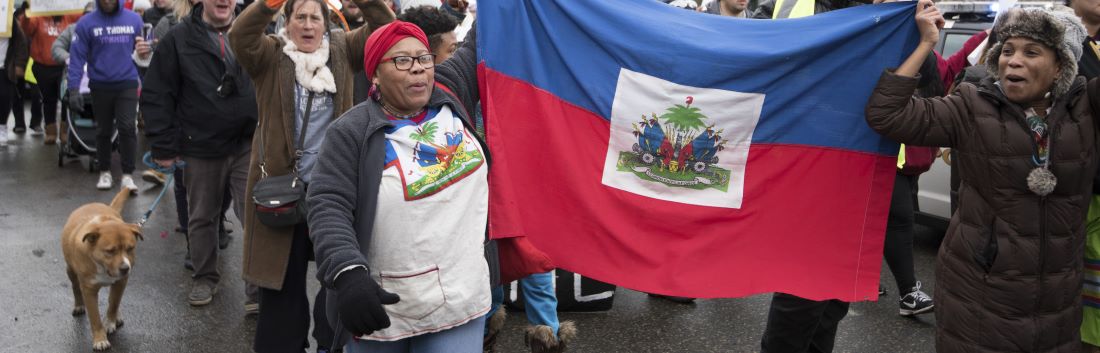
“The termination of a humanitarian designation is not evidence that the conditions that made protection necessary have ended.”
Category: Dispatches
Yemen: Renewed Fighting, Displacement, and the Return of Civilian Risk
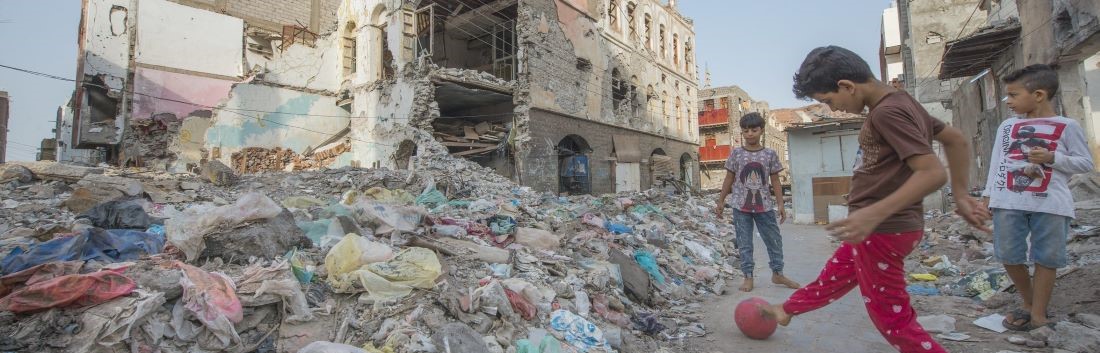
Renewed displacement is not simply a consequence of renewed fighting. It is an indicator that civilian security is deteriorating and that the conditions supporting Yemen’s fragile recovery were never consolidated into a durable peace.”
Five Years Under the Taliban: The Cost of Normalization

The danger is not only that repression continues. It is that the world begins to treat repression as the permanent condition of Afghan life.
Selective Accountability: When International Law Is Applied Unequally

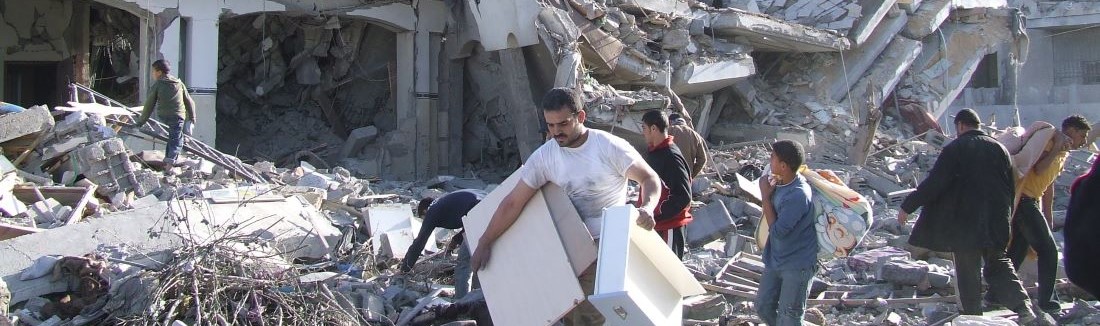
If international law is meant to protect civilians equally, why does its enforcement often appear uneven? This Dispatch examines Gaza and Lebanon through the principles of international humanitarian law, civilian protection, and accountability, exploring how perceptions of selective enforcement affect the credibility of the international legal system.
Beyond ‘Never Again’: Understanding Atrocity Prevention and Why It Matters
The greatest success of atrocity prevention is often invisible. It is measured not by the crises that occur, but by the tragedies that never happen.”
Cuba’s Humanitarian Crisis: Infrastructure Collapse, Public Health Strain, and Civilian Vulnerability

Humanitarian crises rarely emerge from a single shock. In Cuba, economic deterioration, infrastructure failure, and repeated disasters are compounding into a prolonged crisis of civilian resilience.”
Civilian Protection Under Occupation: Legal Fragmentation and Enforcement in the West Bank
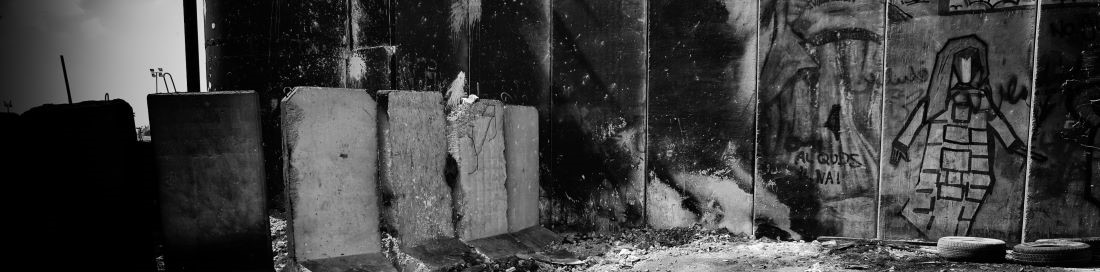
The challenge in the West Bank is not the absence of legal protections under international law, but the persistent gap between formal protections and consistent enforcement.”
Governance, Armed Conflict, and Civilian Protection in Yemen
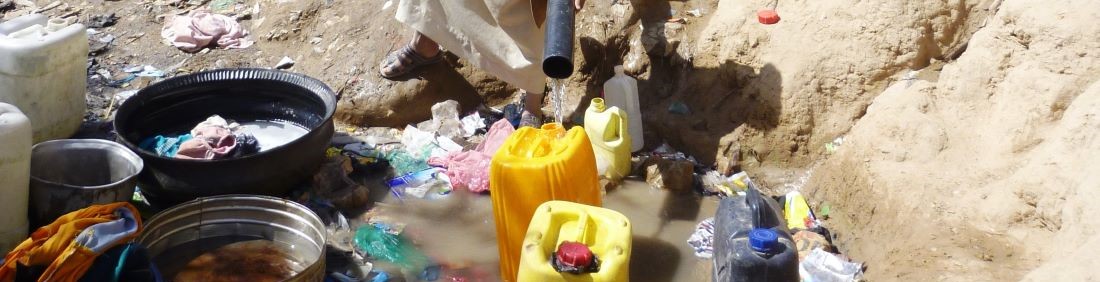
When armed groups govern territory, civilian protection depends not only on the conduct of war, but on the conduct of governance.”
Civilian Protection in Gaza: Armed Actors, Urban Warfare, and Legal Constraints
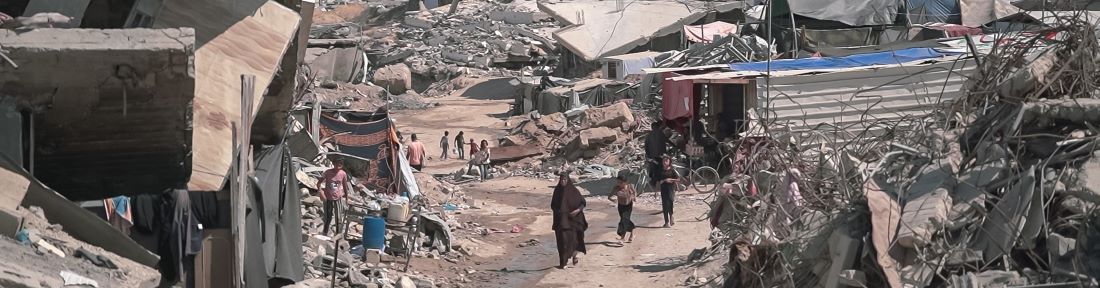
When legal protections exist without consistent enforcement, civilian protection becomes conditional—and civilians bear the cost.”
When Armed Groups Govern: Civilian Protection and Policy Constraints in Lebanon, Gaza, and Yemen
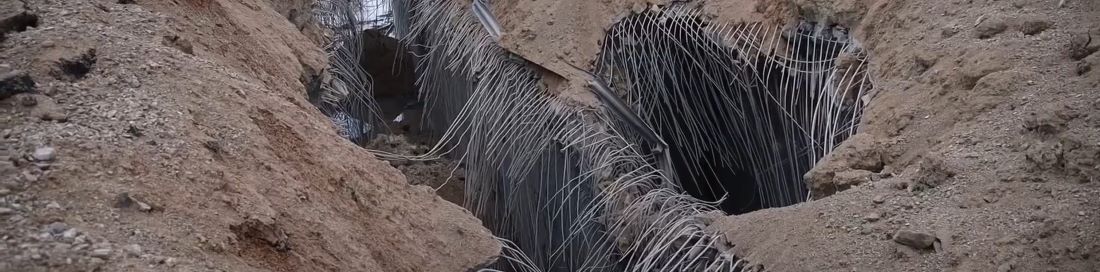
Where armed groups function as governing authorities, civilian protection is shaped not only by conflict dynamics, but by the structure of power itself.”