Dispatches from the Field — The Genocide Report
Washington, DC — 11 April 2023
(Part 3 in a series on Crises to Watch in 2023)
After eight years of armed conflict, Yemen remains trapped in a cycle of violence and humanitarian collapse. A UN-brokered ceasefire in April 2022 briefly raised hopes for relief, but its collapse in October led to renewed hostilities in early 2023. The failure of the truce underscores the fragility of diplomatic efforts and the enduring toll of war on civilians. Yemen continues to face one of the most severe humanitarian crises in the world, marked by widespread hunger, economic collapse, and systemic destruction of essential services.
Cost of Conflict
The human toll of Yemen’s war is staggering. More than 85,000 children have been killed or wounded. Men and boys remain the majority of direct victims, subjected to forced recruitment, arbitrary detention, torture, and death. Coalition airstrikes have resulted in thousands of civilian casualties, including the use of “double tap” strikes targeting both initial victims and first responders.
All parties to the conflict, including Houthi forces and the Saudi- and UAE-led coalition, have likely committed serious violations of international humanitarian law. Unlawful attacks on civilian infrastructure, restrictions on humanitarian aid, and forced displacement reflect patterns consistent with war crimes. Even during the ceasefire, violations persisted, demonstrating the limited protection afforded to civilians.
Humanitarian Crisis
Yemen’s conflict has produced the world’s worst humanitarian crisis. Over 26.1 million people—approximately 80 percent of the population—live in extreme poverty. Hunger is widespread, with 17.4 million people facing acute food insecurity and six million on the brink of famine. At least 2.2 million children are acutely malnourished.
Children bear the brunt of the crisis. Eleven million require humanitarian assistance, while eight million need mental health and trauma services. The collapse of Yemen’s healthcare system has exacerbated preventable disease outbreaks, including cholera, which has resulted in millions of cases since 2016. At the same time, economic decline, inflation, and global supply disruptions have rendered basic necessities unaffordable for most Yemenis.
Women and girls face acute vulnerabilities. Maternal mortality rates are among the highest in the region, with one woman dying in childbirth every two hours—often from preventable causes. Malnutrition among pregnant and breastfeeding women further compounds risks, highlighting the intersection of conflict, health, and gender inequality.
In Yemen, conflict is not only measured in violence, but in the slow erosion of survival—hunger, disease, and the collapse of basic human dignity.”
Displacement and Vulnerability
Displacement in Yemen is both widespread and cyclical. Approximately 4.5 million people are internally displaced, many multiple times since 2014. Climate factors, including drought and flooding, intensify displacement patterns and increase vulnerability.
Women and children account for 80 percent of internally displaced persons. Female-headed households face severe economic hardship, limited access to services, and heightened exposure to gender-based violence. Girls are particularly at risk of exploitation, child labor, trafficking, and early marriage. The intersection of displacement and insecurity has created conditions in which protection mechanisms are severely weakened.
UN Aid Appeal and Global Responsibility
The United Nations has appealed for $4.3 billion in 2023 to address Yemen’s humanitarian crisis. However, funding shortfalls persist. In 2022, less than half of the requested funding was met, forcing humanitarian agencies to scale back essential programs, including food assistance.
The consequences of underfunding are severe. Reduced humanitarian access, combined with global economic pressures and supply chain disruptions, has deepened food insecurity and limited access to lifesaving aid. Sustained international engagement is critical. Without it, Yemen’s crisis will continue to deteriorate, with long-term consequences for regional stability and human security.
Atrocity Prevention Lens
Yemen presents multiple indicators of sustained atrocity risk, including widespread civilian harm, starvation as a method of warfare, and systematic denial of humanitarian access. Patterns of unlawful attacks on civilian infrastructure and the normalization of violations by all parties signal an entrenched protection failure. Preventing further mass harm requires enforcing compliance with international humanitarian law, restoring humanitarian access, and prioritizing civilian protection in diplomatic negotiations. Early warning signs—particularly the use of hunger and deprivation—must be treated as urgent triggers for coordinated international response.
Legal Framework
International Humanitarian Law (IHL)
The conflict in Yemen is governed by IHL, including the Geneva Conventions of 1949. All parties are obligated to distinguish between civilians and combatants and to refrain from targeting civilian objects, including homes, hospitals, and humanitarian infrastructure.
War Crimes and Civilian Protection
Indiscriminate airstrikes, “double tap” attacks, and restrictions on humanitarian aid may constitute war crimes under international law. The use of starvation as a method of warfare and the obstruction of aid delivery are expressly prohibited.
Protection of Vulnerable Populations
IHL and international human rights law provide special protections for vulnerable groups, including children, women, and displaced persons. Violations such as forced recruitment of children, gender-based violence, and denial of medical care represent serious breaches of these legal obligations.
Suggested Citation
“The Crisis in Yemen: Humanitarian Collapse Amid Protracted Conflict.” Dispatches from the Field. The Genocide Report, Washington, DC, 11 April 2023.
Photo credit
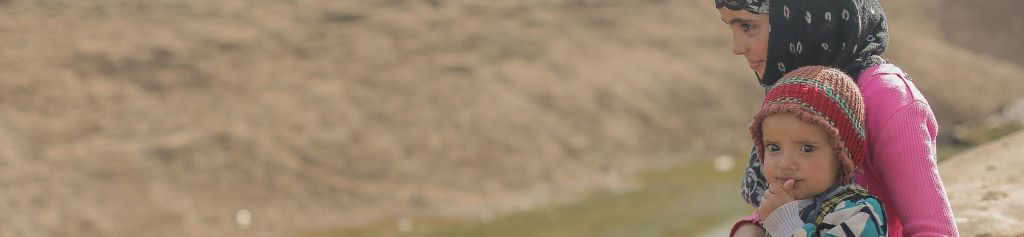
Young girls do understand why they cannot use the water before the water conflict resolution. “PBF in Yemen” by UN Peacebuilding is marked by Public Domain Mark 1.0
Read Part 2: Crisis in Afghanistan
About TGR
The Genocide Report (TGR) publishes analysis and educational resources on conflict, international law, and atrocity prevention. Its work seeks to bridge academic research, field realities, and public understanding of mass violence and civilian protection.