
If international law is meant to protect civilians equally, why does its enforcement often appear uneven? This Dispatch examines Gaza and Lebanon through the principles of international humanitarian law, civilian protection, and accountability, exploring how perceptions of selective enforcement affect the credibility of the international legal system.
Category: International Humanitarian Law
Beyond ‘Never Again’: Understanding Atrocity Prevention and Why It Matters
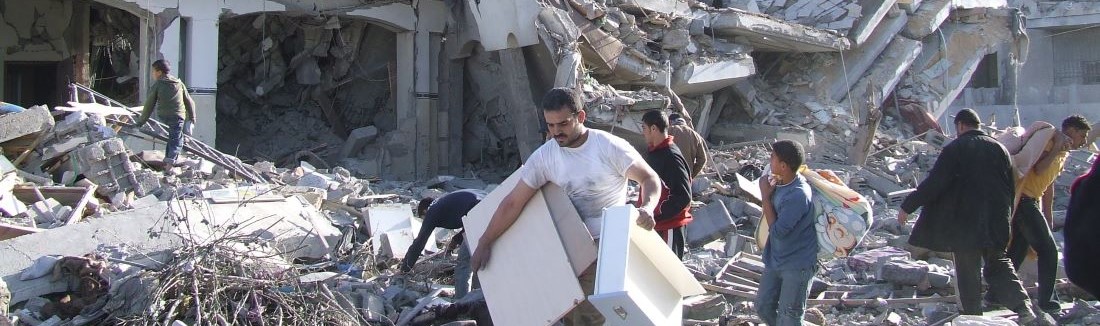
The greatest success of atrocity prevention is often invisible. It is measured not by the crises that occur, but by the tragedies that never happen.”
Civilian Protection Under Occupation: Legal Fragmentation and Enforcement in the West Bank
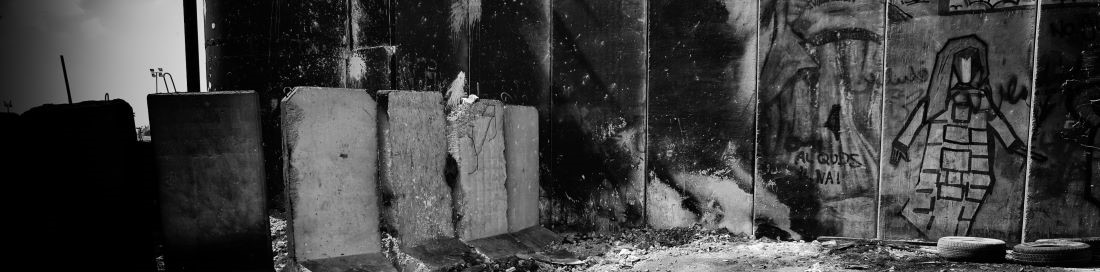
The challenge in the West Bank is not the absence of legal protections under international law, but the persistent gap between formal protections and consistent enforcement.”
Civilian Protection in Gaza: Armed Actors, Urban Warfare, and Legal Constraints
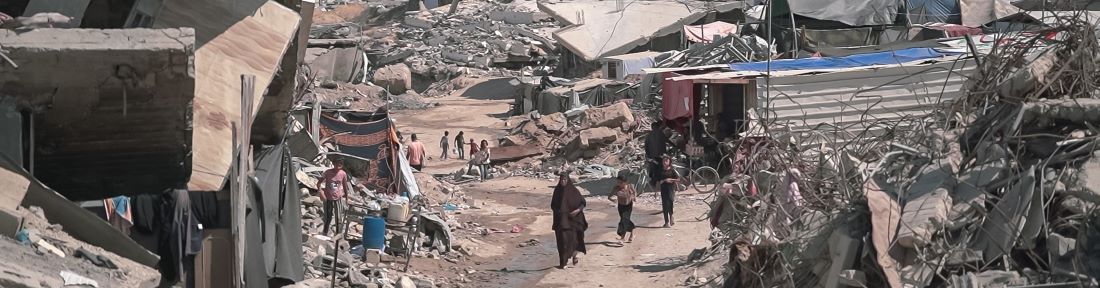
When legal protections exist without consistent enforcement, civilian protection becomes conditional—and civilians bear the cost.”
When Armed Groups Govern: Civilian Protection and Policy Constraints in Lebanon, Gaza, and Yemen
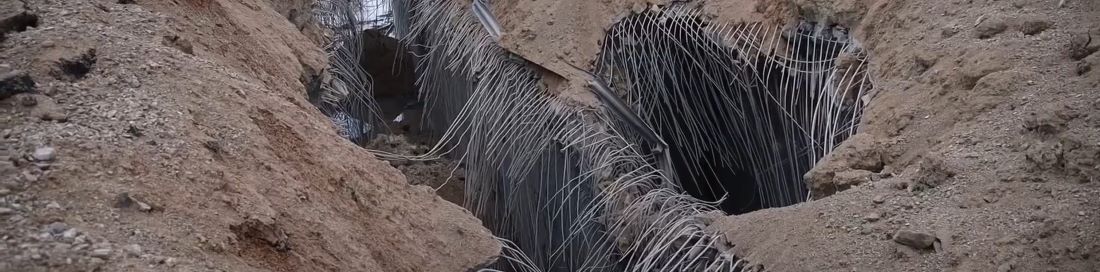
Where armed groups function as governing authorities, civilian protection is shaped not only by conflict dynamics, but by the structure of power itself.”
From Nuclear Diplomacy to Armed Conflict: The Collapse of the Iran Deal and the Legal Path to War
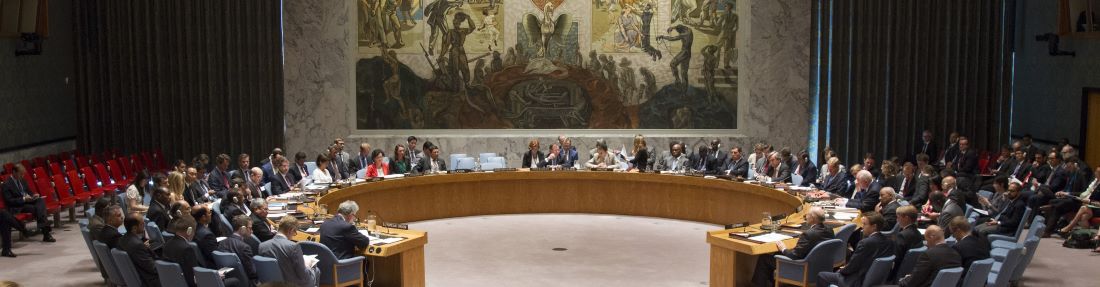
The collapse of the Iran nuclear deal marks the moment when a legal framework for containment gave way to a strategic pathway toward war.”
U.S. Use of Force in Venezuela and International Law
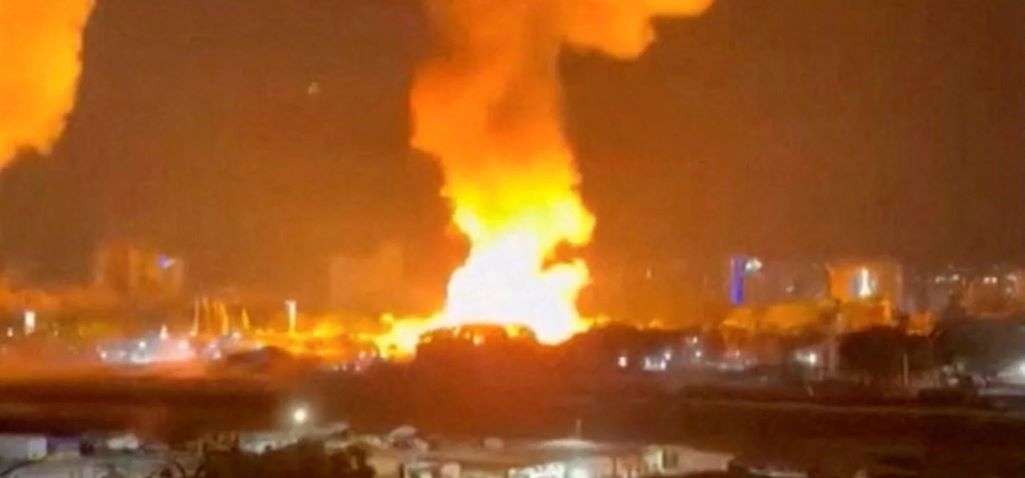
When military force is used without legal justification, the line between law enforcement and war collapses, undermining the international legal order.”
Human Rights Day and the Genocide Convention: Two Foundations of the “Never Again” Framework
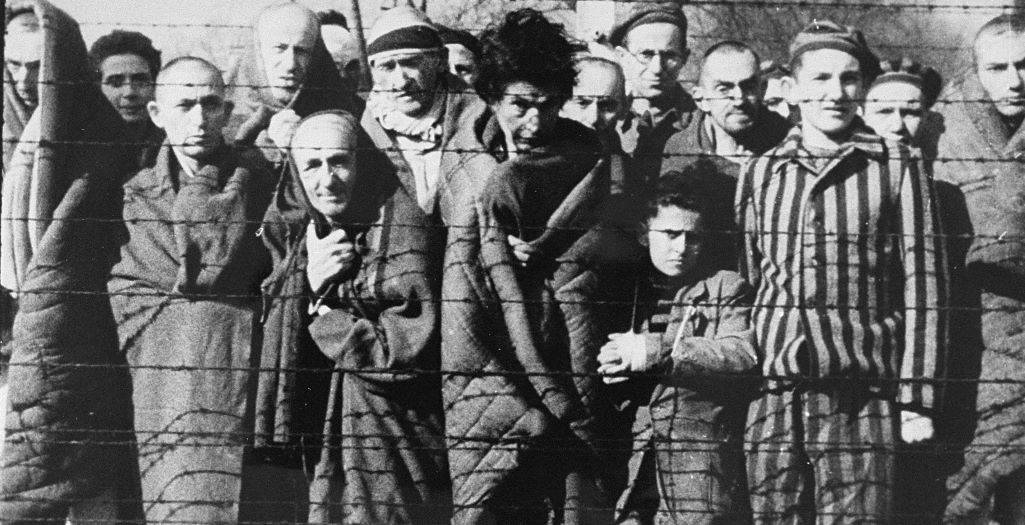
Human rights protections are not separate from atrocity prevention—they are its first and most essential line of defense.”
Holding Assad Accountable
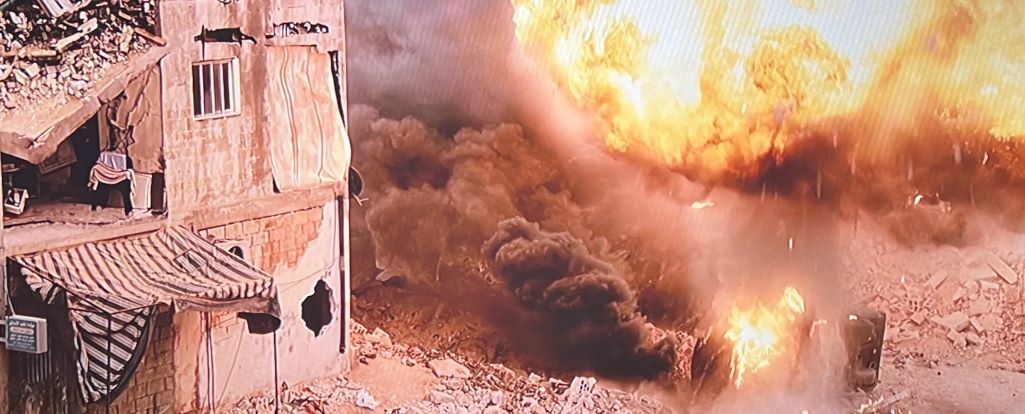
When accountability is delayed, the risk is not only injustice for victims—but the normalization of atrocity crimes in future conflicts.”
United Nations at 80: Peace, Law, and Global Security
The TPNW reinforces international norms against weapons of mass destruction and obligates assistance to affected populations.”