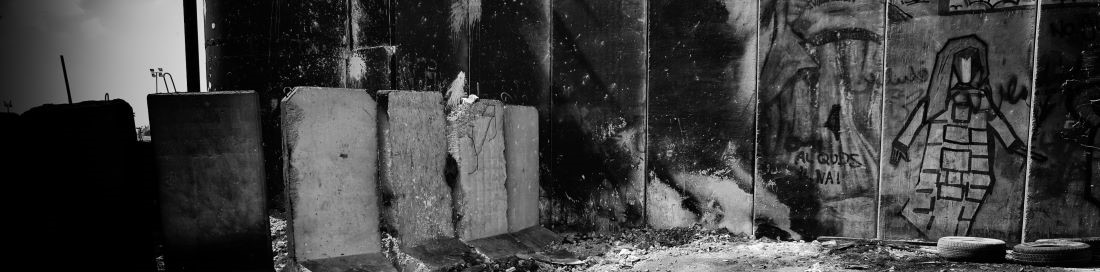
The challenge in the West Bank is not the absence of legal protections under international law, but the persistent gap between formal protections and consistent enforcement.”
Tag: Internally Displaced Persons
Governance, Armed Conflict, and Civilian Protection in Yemen
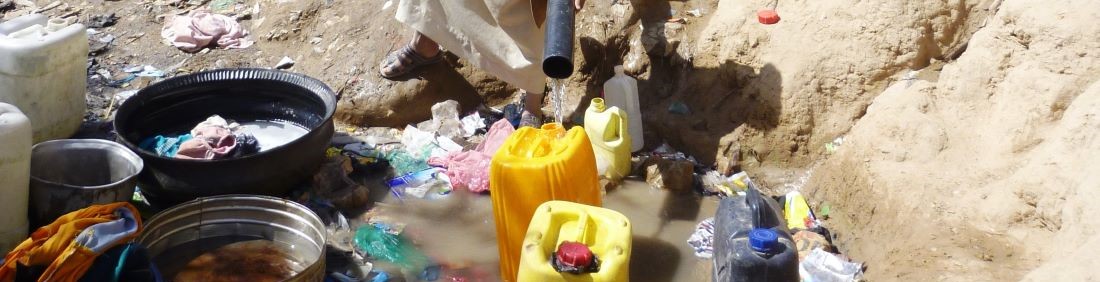
When armed groups govern territory, civilian protection depends not only on the conduct of war, but on the conduct of governance.”
When Armed Groups Govern: Civilian Protection and Policy Constraints in Lebanon, Gaza, and Yemen
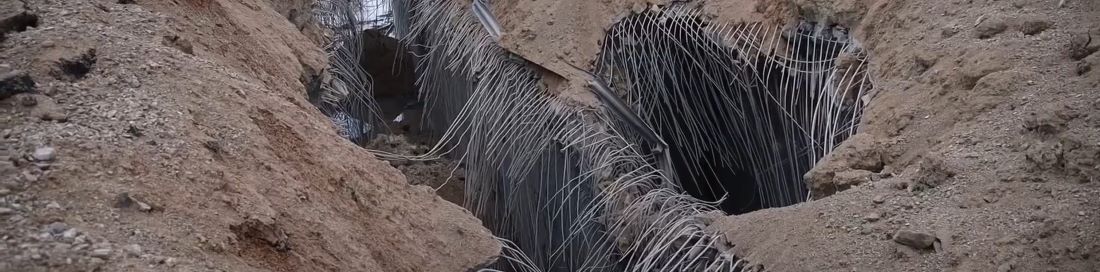
Where armed groups function as governing authorities, civilian protection is shaped not only by conflict dynamics, but by the structure of power itself.”
Lebanon on the Edge: Escalation and Civilian Risk in a Regional Conflict
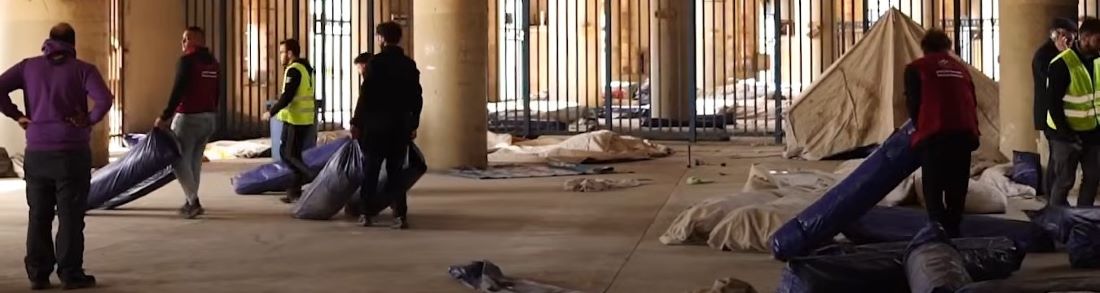
Escalation across borders does not remain contained—it expands the geography of civilian risk.”
Sudan’s War and the Collapse of Civilian Protection: Escalating Atrocity Risks Amid State Fragmentation

The erosion of centralized authority in Sudan has created conditions in which civilian protection is no longer incidental to the conflict—it is structurally absent.”
Iran’s Protests: A Nation in Unrest
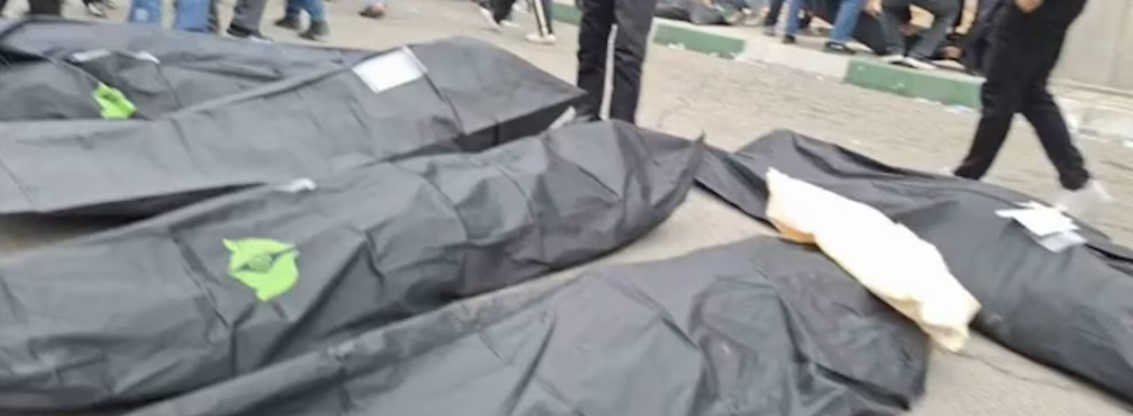
When governments criminalize protest and deploy force against civilians, unrest can quickly escalate into widespread human rights violations.”
Silent Victims: Children in Conflict

Children are not collateral damage—they are the silent victims whose protection must guide every response to conflict.”
Haiti in Crisis

Haiti’s crisis is not only a humanitarian emergency—it is a preventable disaster demanding immediate global action.”
Sexual Violence in Sudan’s War: Patterns, Impunity, and Civilian Protection

Sexual violence in Sudan’s war is not incidental—it is a method of warfare that exploits impunity and targets the social fabric of communities.”
The Cost of War in Gaza: Destruction of Al Quds Hospital and the Human Impact of Ongoing Conflict

The methods employed in Gaza, including obstruction of aid and attacks on civilian infrastructure, demonstrate systematic violations of international law with profound human consequences.”