
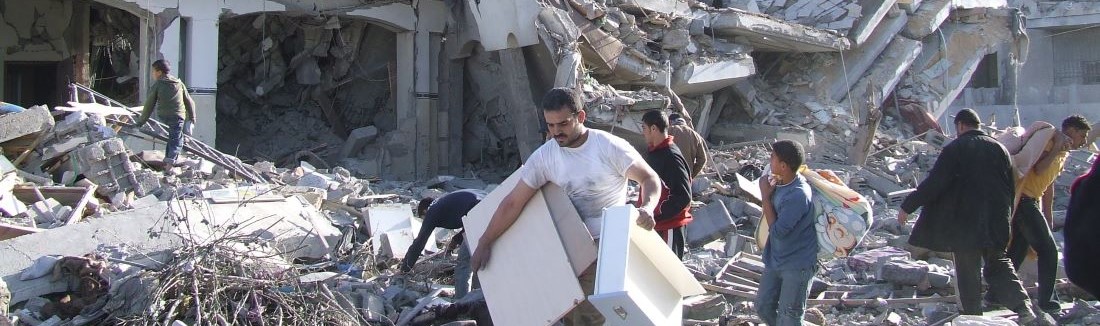
If international law is meant to protect civilians equally, why does its enforcement often appear uneven? This Dispatch examines Gaza and Lebanon through the principles of international humanitarian law, civilian protection, and accountability, exploring how perceptions of selective enforcement affect the credibility of the international legal system.
Tag: Laws of Armed Conflict
Beyond ‘Never Again’: Understanding Atrocity Prevention and Why It Matters
The greatest success of atrocity prevention is often invisible. It is measured not by the crises that occur, but by the tragedies that never happen.”
Civilian Protection Under Occupation: Legal Fragmentation and Enforcement in the West Bank

The challenge in the West Bank is not the absence of legal protections under international law, but the persistent gap between formal protections and consistent enforcement.”
Lebanon on the Edge: Escalation and Civilian Risk in a Regional Conflict

Escalation across borders does not remain contained—it expands the geography of civilian risk.”
Forced Disappearance: Coercion, Control, and the Erosion of Legal Order

Forced disappearance functions not only as a method of repression, but as a systemic tool to instill fear, dismantle dissent, and operate beyond the reach of law.”
Collective Punishment as a War Crime—Legal Prohibition and Contemporary Application in Gaza

Collective punishment targets populations, not perpetrators, and in doing so violates a core principle of international humanitarian law.”