
If international law is meant to protect civilians equally, why does its enforcement often appear uneven? This Dispatch examines Gaza and Lebanon through the principles of international humanitarian law, civilian protection, and accountability, exploring how perceptions of selective enforcement affect the credibility of the international legal system.
Category: Accountability & Justice
Governance, Armed Conflict, and Civilian Protection in Yemen
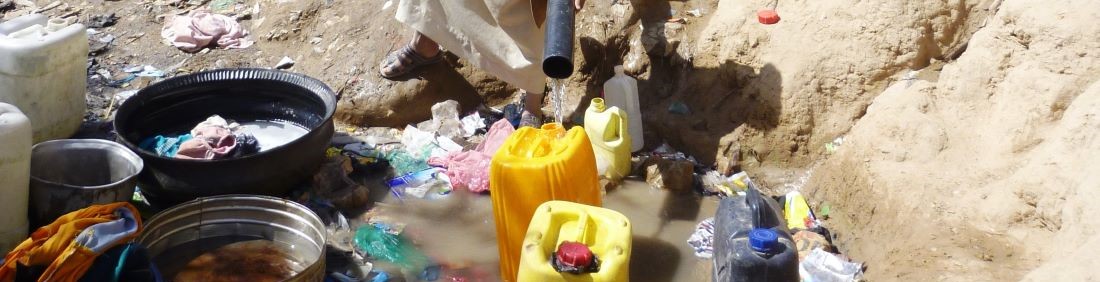
When armed groups govern territory, civilian protection depends not only on the conduct of war, but on the conduct of governance.”
Sudan’s War and the Collapse of Civilian Protection: Escalating Atrocity Risks Amid State Fragmentation

The erosion of centralized authority in Sudan has created conditions in which civilian protection is no longer incidental to the conflict—it is structurally absent.”
U.S. Use of Force in Venezuela and International Law
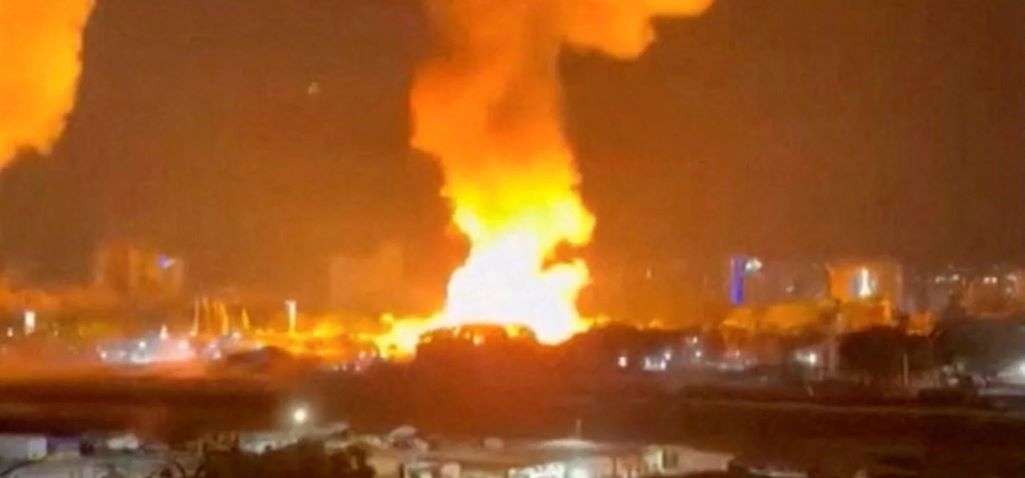
When military force is used without legal justification, the line between law enforcement and war collapses, undermining the international legal order.”
Holding Assad Accountable
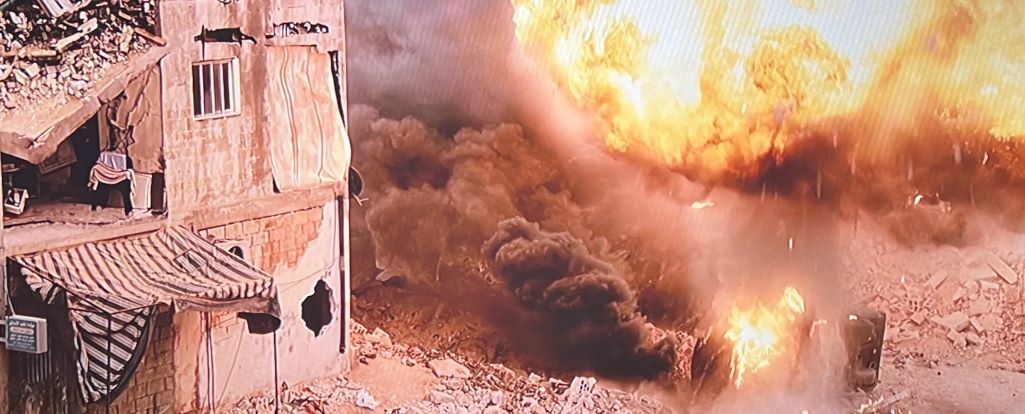
When accountability is delayed, the risk is not only injustice for victims—but the normalization of atrocity crimes in future conflicts.”
Mohamed bin Salman’s White House Visit: Strategic Interests and Human Rights Tradeoffs
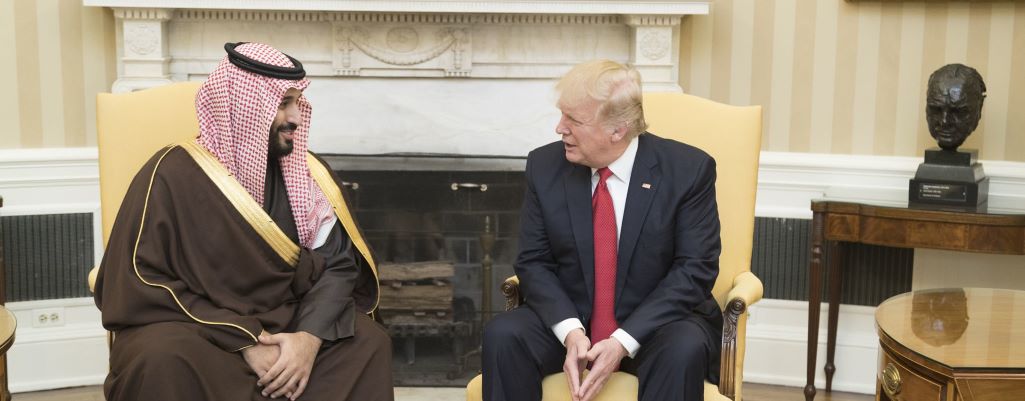
Centering human rights in diplomatic engagements is not a liability—it is essential for credible and sustainable international partnerships.”
UNGA – Recognize the State of Palestine, and Hold Israel Accountable
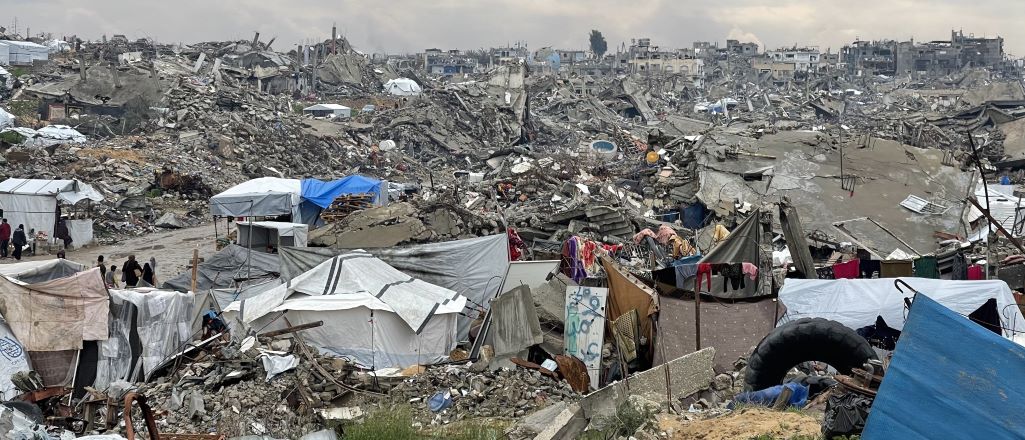
Recognition of Palestine is not a symbolic gesture—it is a legal and moral imperative that strengthens accountability and upholds international law.”
Gaza’s Famine
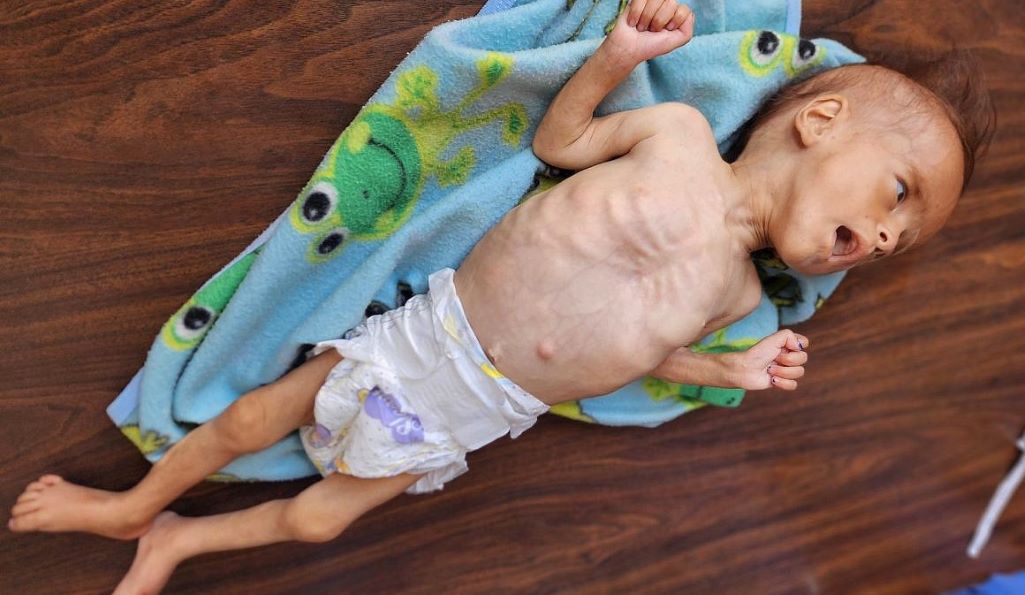
Gaza’s famine is not a natural disaster—it is a man-made catastrophe that could be ended tomorrow by allowing aid in and enforcing an unconditional ceasefire.”
Syria’s Path to Justice: Transitional Mechanisms and the Challenge of Accountability

Without accountability and answers for the missing, any path to peace in Syria risks reinforcing the conditions that enabled mass atrocities.”
