
Recognition without enforcement advances norms—but it does not, on its own, deliver justice.”
Category: Accountability & Justice
International Sanctions – Coercive Policy Tools and the Limits of Enforcement

Sanctions signal international condemnation—but their success depends on enforcement, coordination, and political will.”
Saudi Zero-Tolerance: State Control, Legal Restrictions, and the Suppression of Dissent
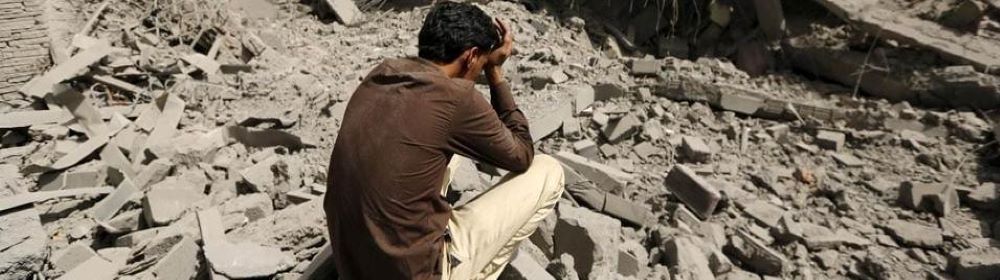
In Saudi Arabia, release from detention often marks a transition to restricted freedom rather than a restoration of rights.”
Bashar al-Assad’s Syria: State Violence, Protracted Conflict, and the Limits of Resolution
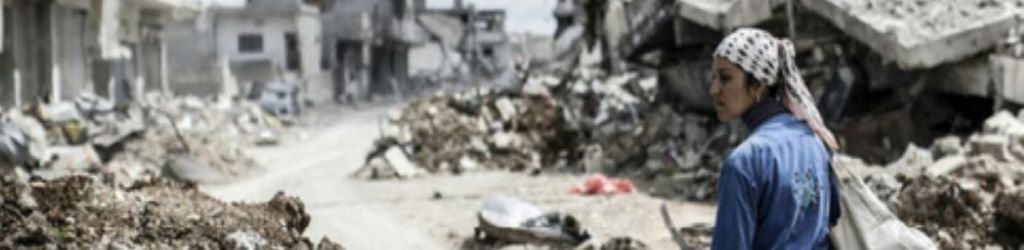
What began as a domestic uprising evolved into a protracted conflict sustained by external support, fragmented opposition, and limited diplomatic leverage.”
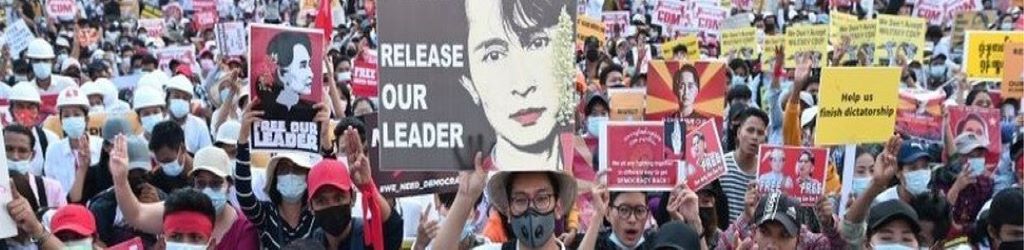
A Coup in Myanmar: Democratic Breakdown and Early Indicators of Atrocity Risk
Undocumented in Lebanon: Displacement, Legal Status, and the Precarity of Protection
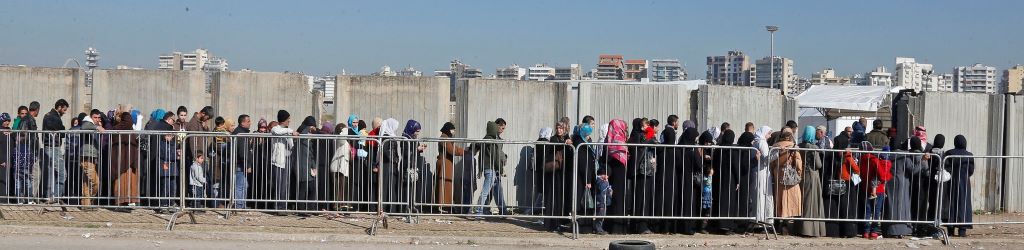
In displacement settings, legal status is not a formality—it determines access to protection, livelihoods, and, ultimately, survival.”
Absconding from Justice: Omar al-Bashir, ICC Warrants, and the Limits of Enforcement

The failure to execute ICC arrest warrants against sitting heads of state exposes structural weaknesses in international accountability mechanisms and risks entrenching impunity.”
Making the World a Witness: From Awareness to Action

Recognition is the first step toward prevention—atrocities persist when they are ignored.”