Observed annually on April 17, Cambodian Genocide Remembrance Day honors the victims of the genocide carried out by the Khmer Rouge regime between 1975 and 1979. The observance commemorates the lives lost during one of the twentieth century’s most devastating episodes of mass violence, serving as a reminder of the importance of remembrance, accountability, and genocide prevention.
The Cambodian genocide began when the Khmer Rouge, led by Pol Pot, seized power in April 1975 and sought to radically restructure Cambodian society. The regime aimed to create an agrarian communist state and pursued this goal through forced evacuations, mass labor, starvation, executions, and systematic persecution of perceived political, social, and ethnic enemies.
Cities were emptied as millions of people were forced into rural labor camps. Families were separated, traditional social structures were dismantled, and religion, education, and cultural practices were severely restricted or banned. Those perceived as intellectuals, professionals, former government officials, or political dissidents were often targeted for execution. Even minor indicators such as wearing glasses or speaking a foreign language could be interpreted as evidence of opposition to the regime.
It is estimated that approximately 1.7 to 2 million people died during the Cambodian genocide, through execution, forced labor, starvation, and disease. The scale and speed of the killings devastated the country’s population and left deep and lasting scars on Cambodian society.
The genocide ended in 1979 when Vietnamese forces entered Cambodia and overthrew the Khmer Rouge government. In the years that followed, efforts to document the atrocities, preserve evidence, and pursue justice gradually emerged. The Extraordinary Chambers in the Courts of Cambodia (ECCC), established in cooperation with the United Nations, later prosecuted senior leaders of the Khmer Rouge for crimes including genocide, crimes against humanity, and war crimes.
Cambodia’s killing fields and detention centers, such as Tuol Sleng (S-21), remain powerful sites of memory and education. These places bear witness to the systematic nature of the violence and the experiences of victims and survivors. They also serve as enduring reminders of the consequences of totalitarian rule, unchecked power, and ideological extremism.
The Cambodian genocide is widely recognized in international law and genocide studies as a key case for understanding the processes through which mass atrocities develop and are carried out. It demonstrates how rapid political transformation, combined with extremist ideology and absolute control of the state, can result in widespread human rights violations and mass death.
Survivors of the genocide and their descendants continue to play an essential role in preserving memory, educating future generations, and advocating for justice. Their testimonies contribute to a broader understanding of the human impact of the Khmer Rouge regime and reinforce the importance of historical truth.
Cambodian Genocide Remembrance Day serves not only as a moment of mourning but also as a call to vigilance. It highlights the importance of recognizing early warning signs of genocide, protecting vulnerable populations, and ensuring that systems of accountability are in place to prevent future atrocities.
Remembering the Cambodian genocide affirms a commitment to honoring the victims, supporting survivors, and strengthening global efforts to ensure that such crimes are never repeated.
Photo Credit
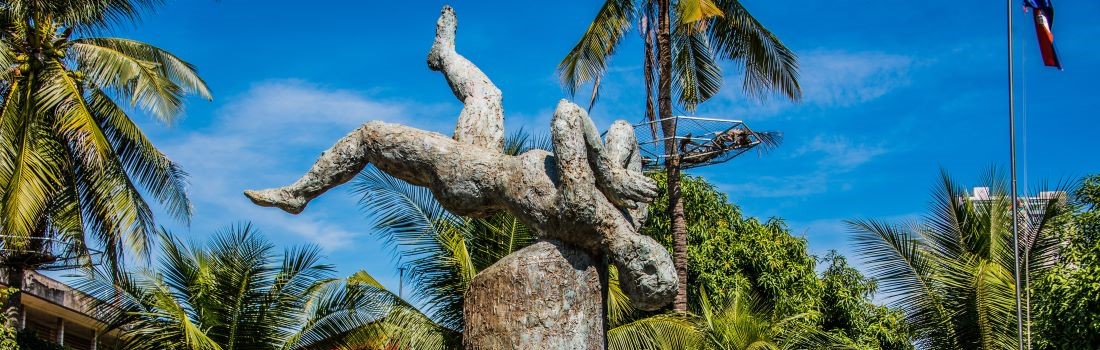
Phnom Penh, Tuoi Sleng Genocide Museum – For Those Who Are No Longer Here – A Bronze Sculpture, by Sera Ing. Licensed under CC BY NC-SA 2.0.
Cambodian Genocide Remembrance Day | April 17