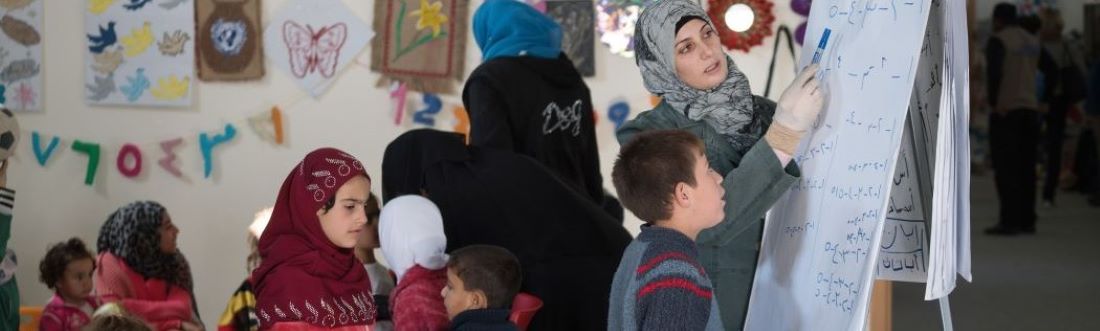
Observed annually on August 19, World Humanitarian Day recognizes the individuals and organizations that work to alleviate human suffering during crises around the world. The observance honors humanitarian workers who assist populations affected by armed conflict, natural disasters, displacement, disease, and other emergencies, and commemorates those who have lost their lives in service to others.
Established by the United Nations, World Humanitarian Day marks the anniversary of the 2003 bombing of the UN headquarters in Baghdad, Iraq, which killed 22 people, including UN Special Representative Sérgio Vieira de Mello. The observance serves as a reminder of both the importance of humanitarian action and the risks often faced by those delivering aid in dangerous environments.
Humanitarian action is grounded in the principle that all people deserve dignity, protection, and assistance during times of crisis. Humanitarian organizations provide food, water, shelter, medical care, protection services, and other forms of assistance to vulnerable populations regardless of nationality, ethnicity, religion, political affiliation, or other status. These efforts are guided by principles of humanity, neutrality, impartiality, and independence, which seek to ensure that aid is provided solely based on need.
Humanitarian workers operate in some of the world’s most challenging environments. Armed conflicts, political instability, displacement crises, and natural disasters often create conditions in which civilians face significant threats to their safety and well-being. In these situations, humanitarian assistance can help save lives, reduce suffering, and support recovery for affected communities.
The work of humanitarian organizations extends beyond emergency response. Humanitarian actors often support refugees and displaced persons, strengthen community resilience, promote civilian protection, and help populations recover following crises. Their efforts contribute not only to immediate relief but also to longer-term stability and human security.
World Humanitarian Day also highlights the relationship between humanitarian action, human rights, and atrocity prevention. Mass displacement, attacks on civilians, restrictions on humanitarian access, and the deliberate targeting of vulnerable populations are frequently associated with genocide, crimes against humanity, war crimes, and ethnic cleansing. Humanitarian organizations often serve on the front lines of these crises, assisting while documenting conditions that may signal escalating risks to civilian populations.
The observance recognizes that humanitarianism is not limited to international aid workers. Volunteers, community organizations, healthcare professionals, educators, advocates, and ordinary citizens all contribute to alleviating suffering and supporting those in need. Whether responding to global emergencies or assisting vulnerable populations within their own communities, these efforts reflect a shared commitment to human dignity and compassion.
World Humanitarian Day serves as an opportunity to recognize the contributions and sacrifices of humanitarian workers around the world while reaffirming the importance of protecting civilians, supporting vulnerable populations, and advancing humanitarian principles in times of crisis.
World Humanitarian Day | August 19