Observed annually on March 24, Truth Day—formally known as the International Day for the Right to the Truth Concerning Gross Human Rights Violations and for the Dignity of Victims—recognizes the fundamental right of individuals and communities to know the truth about serious human rights abuses and violations of international law. The observance honors victims and survivors while emphasizing the importance of truth-telling, accountability, and historical memory in preventing future atrocities.
The right to truth is rooted in international human rights law, reflecting a basic principle of justice: that victims and their families have the right to know the circumstances surrounding violations, the fate of those who were killed or disappeared, and the identity of those responsible. Truth-seeking is not only a moral imperative but also a critical component of transitional justice and long-term reconciliation.
Truth Day highlights the essential role of documentation and evidence in addressing mass atrocities. In many contexts, governments or armed groups have sought to conceal crimes through censorship, destruction of records, intimidation of witnesses, or denial. In such environments, the work of survivors, human rights defenders, journalists, and legal institutions becomes vital to preserving historical truth and ensuring accountability.
The observance also honors those who have lost their lives while seeking truth and justice. Across many regions and conflicts, individuals who have documented abuses or spoken out against violations have faced threats, imprisonment, or assassination. Their courage underscores the risks in exposing injustice and the importance of protecting those who work to uncover it.
Truth-seeking mechanisms, including truth commissions, international tribunals, and investigative bodies, play a central role in establishing credible records of events. These processes help societies confront past abuses, acknowledge suffering, and create pathways toward accountability and reconciliation. They also serve as safeguards against denial and revisionism.
The importance of truth is closely linked to preventing future atrocities. Patterns of dehumanization, propaganda, and misinformation often precede genocide, crimes against humanity, and war crimes. When truth is suppressed or distorted, these patterns can intensify unchecked. Ensuring access to accurate information and protecting freedom of expression are therefore essential elements of atrocity prevention.
Truth Day also reinforces the dignity of victims and survivors. Acknowledging their experiences, preserving their testimonies, and recognizing their suffering are essential steps in restoring rights and affirming humanity. Without truth, there can be no meaningful justice, and without justice, there can be no lasting peace.
The observance serves as a reminder that truth is not only about the past but also about the present and future. In an era where misinformation and denial can spread rapidly, the commitment to truth remains a cornerstone of human rights, democratic governance, and international law.
Truth Day calls on the global community to uphold the right to truth, support mechanisms that investigate violations, protect those who seek accountability, and ensure that the lessons of past atrocities are neither forgotten nor distorted.
Photo Credit
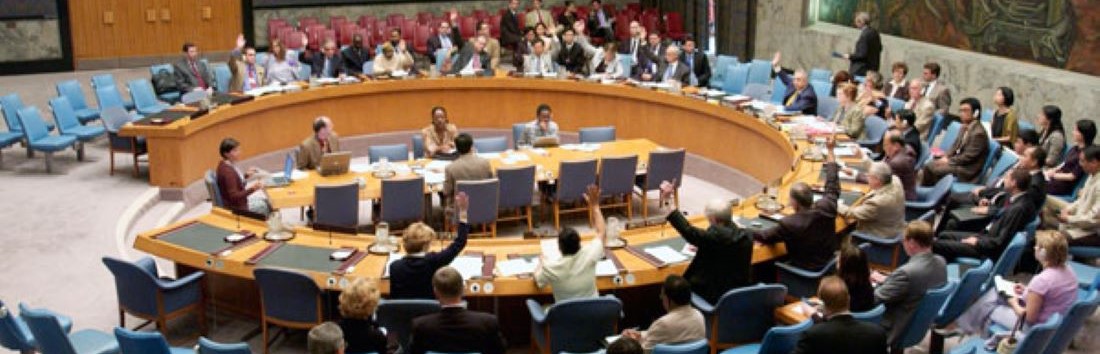
Establishment of the ICTY by ICTY Photos. Licensed under CC BY 2.0
Truth Day | March 24