Yom HaShoah, or Holocaust Remembrance Day, is observed annually as a day of remembrance for the six million Jews who were systematically murdered during the Holocaust, along with millions of other victims of Nazi persecution. The observance honors survivors, commemorates those who perished, and reinforces the importance of preserving historical memory in the face of denial, distortion, and forgetting.
Unlike International Holocaust Remembrance Day, which is observed globally on January 27, Yom HaShoah is rooted in Jewish memory and tradition and is observed primarily within Israel and Jewish communities around the world. It typically falls in April or May and is marked by memorial ceremonies, educational programs, and moments of collective reflection.
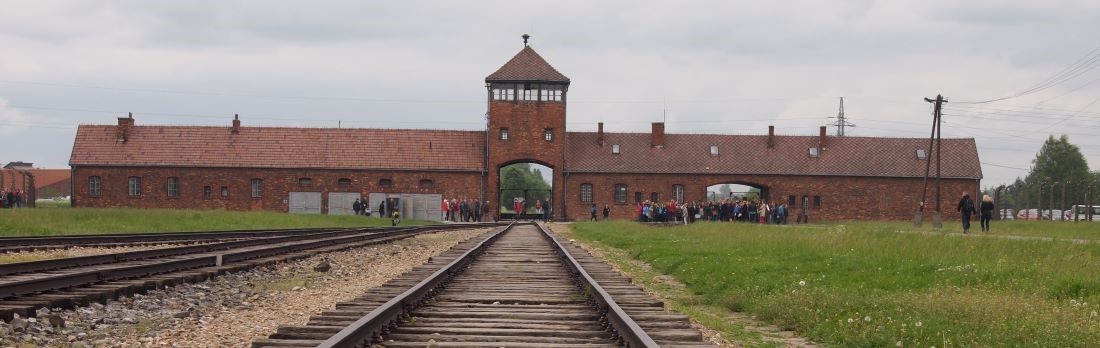
The Holocaust was one of the most systematically organized genocides in human history. Under the Nazi regime, Jews were targeted for extermination alongside other persecuted groups, including Roma and Sinti populations, disabled individuals, political dissidents, LGBTQ+ persons, Jehovah’s Witnesses, and others. The genocide was carried out through a vast system of ghettos, forced labor camps, and extermination camps, including Auschwitz-Birkenau, Treblinka, Sobibor, and others.
The scale and industrialization of the Holocaust fundamentally reshaped international law and global understanding of human rights. In its aftermath, the international community recognized the need for legal frameworks to define and prevent genocide, leading to the adoption of the Convention on the Prevention and Punishment of the Crime of Genocide and the broader development of modern international human rights law.
Yom HaShoah is also closely connected to survivor testimony and education. As the number of living survivors continues to decline, the preservation of their stories has become increasingly urgent. These testimonies provide critical historical evidence and serve as powerful reminders of the consequences of hatred, dehumanization, and state-sponsored violence.
The observance emphasizes not only remembrance but also responsibility. The Holocaust demonstrates how rapidly discrimination and exclusion can escalate into mass violence when left unchecked. It underscores the importance of early warning signs, civic vigilance, and the protection of minority rights as essential components of genocide prevention.
In many communities, Yom HaShoah is marked by the lighting of candles, reading the names of victims, memorial prayers, and educational initiatives. These acts of remembrance are intended to ensure that the victims are not reduced to statistics, but are remembered as individuals with lives, families, and histories.
The legacy of the Holocaust continues to inform global efforts to combat antisemitism, racism, and all forms of hatred. It also serves as a central reference point in the development of genocide studies and atrocity prevention frameworks, reinforcing the principle that “never again” requires active engagement, education, and accountability.
Yom HaShoah stands as a reminder that memory is not passive. It is an active commitment to truth, dignity, and the prevention of future atrocities through education, awareness, and moral responsibility.
Photo Credit
Main entrance building of Auschwitz-Birkenau (Oswiecim, Poland) by Paul Arps. Licensed under CC BY 2.0.
Yom HaShoah