Observed annually on May 3, World Press Freedom Day recognizes the fundamental role of a free, independent, and pluralistic press in democratic societies and in the protection of human rights. The observance highlights the importance of journalistic freedom as a cornerstone of accountability, transparency, and the public’s right to access information.
A free press is essential for exposing corruption, documenting human rights abuses, and reporting on conflicts and crises as they unfold. In contexts where censorship, intimidation, or violence against journalists is present, access to accurate information becomes restricted, and the risks of misinformation and impunity increase significantly. The protection of press freedom is therefore directly linked to the prevention of atrocities and the safeguarding of civilian populations.
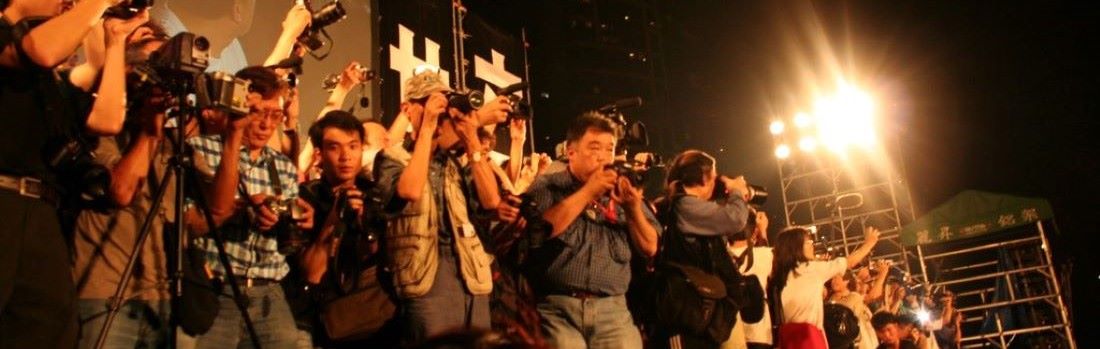
Journalists, reporters, photographers, and media workers often operate in environments of significant danger, particularly in conflict zones or authoritarian settings. Many have been threatened, detained, or killed for their work. These risks underscore the critical importance of protecting media professionals under international law and ensuring accountability for attacks against them.
Press freedom is not only about the ability to report—it is also about the public’s right to know. When information is suppressed or controlled, societies are less able to respond effectively to early warning signs of violence, corruption, and human rights violations. In this sense, independent journalism functions as an early warning system for the international community.
The erosion of press freedom often accompanies broader patterns of democratic decline, political repression, and increasing risk of mass atrocities. Restrictions on media, propaganda campaigns, and the targeting of journalists can contribute to environments where violence is concealed, normalized, or justified. Protecting press freedom is therefore an essential component of atrocity prevention.
International frameworks, including the Universal Declaration of Human Rights and the International Covenant on Civil and Political Rights, affirm the right to freedom of expression, including the freedom to seek, receive, and impart information. Despite these protections, violations persist in many parts of the world.
World Press Freedom Day serves as both a commemoration and a call to action. It recognizes the courage of journalists who continue to report under threat, and it calls on governments, institutions, and societies to uphold and defend press freedom. Supporting independent journalism, protecting media workers, and resisting censorship are critical steps toward ensuring accountability and protecting human dignity.
The observance also encourages reflection on the evolving challenges facing the media landscape, including disinformation, digital surveillance, and attacks on journalistic credibility. These challenges require renewed commitments to media literacy, institutional protection, and international cooperation.
Ultimately, World Press Freedom Day affirms a simple but powerful principle: without press freedom, truth is weakened; without truth, justice is compromised; and without justice, the conditions for violence and atrocity can more easily emerge.
Photo Credit
Press Freedoms by uwsunev. Licensed under CC BY-NC-ND 2.0.
World Press Freedom Day | May 3