Observed throughout April, Genocide Awareness Month is dedicated to education, remembrance, and the prevention of genocide and other mass atrocities. The observance encourages individuals, communities, educators, and institutions to examine the causes and consequences of genocide, honor the memory of victims and survivors, and strengthen efforts to prevent future atrocities.
Genocide is not a spontaneous event. It develops through a process that often includes discrimination, exclusion, dehumanization, hate speech, persecution, and escalating violence directed against a targeted group. Understanding these warning signs is essential to recognizing risks before they culminate in mass atrocities. Education remains one of the most effective tools for prevention because it helps individuals identify dangerous patterns, challenge misinformation, and promote respect for human dignity and human rights.
April holds particular significance in the study and remembrance of genocide. Several major commemorations occur during the month, including the remembrance of the 1994 Genocide Against the Tutsi in Rwanda, Armenian Genocide Remembrance Day, and Cambodian Genocide Remembrance Day. These observances provide opportunities to reflect on the devastating consequences of hatred, intolerance, and indifference while honoring the lives of those who were lost and the resilience of survivors.
The history of genocide demonstrates that these crimes occur across different regions, cultures, political systems, and periods of history. From the Holocaust and the Armenian Genocide to Cambodia, Rwanda, Bosnia, and more recent atrocities against the Yazidis and other vulnerable populations, each case offers important lessons about the conditions that enable mass violence and the importance of early intervention.
Genocide Awareness Month also highlights the role of international law in preventing and responding to atrocities. The adoption of the Genocide Convention in 1948 established genocide as an international crime and affirmed that states have a responsibility to prevent and punish it. Subsequent developments in international criminal justice, human rights law, and atrocity prevention have strengthened the global framework designed to protect civilian populations and promote accountability.
At the same time, remembrance alone is not enough. Genocide prevention requires continued vigilance, education, research, and public engagement. It involves confronting genocide denial, preserving historical memory, supporting survivors, promoting inclusive societies, and recognizing the warning signs that place populations at risk. Prevention is most effective when action is taken before violence escalates.
Genocide Awareness Month serves as a reminder that the responsibility to prevent genocide extends beyond governments and international institutions. Educators, students, researchers, journalists, policymakers, civil society organizations, and individual citizens all play important roles in advancing awareness and protecting human dignity. By learning from the past and applying those lessons to the present, we strengthen our collective ability to recognize risks, challenge intolerance, and reduce the likelihood of future atrocities.
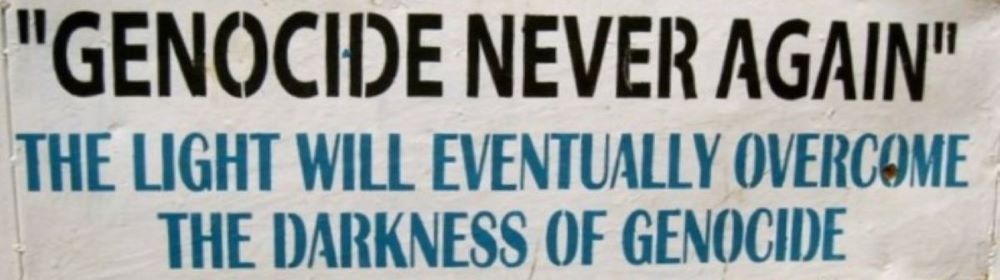
The goal of Genocide Awareness Month is not only to remember what happened, but also to ensure that the lessons of history inform our actions today. Through education, remembrance, and a commitment to prevention, we honor the victims of past genocides while working toward a future in which such crimes never occur again.
Genocide Awareness Month | April