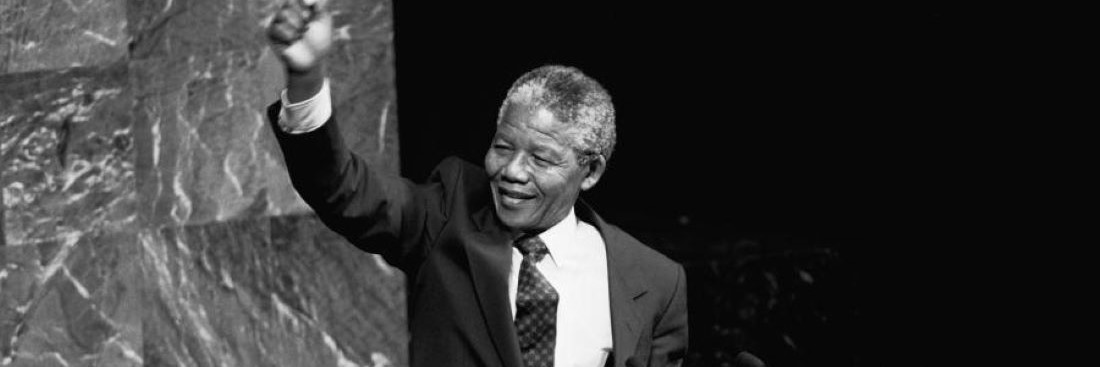
Observed annually on July 18, Nelson Mandela International Day honors the life, legacy, and enduring impact of Nelson Mandela as a global advocate for justice, equality, human rights, and reconciliation. The observance recognizes his contributions to the struggle against apartheid in South Africa and his broader influence on international peacebuilding and human dignity.
Nelson Mandela’s life was defined by resistance to institutionalized racism and a commitment to democratic principles. As a leader of the African National Congress (ANC), he became a central figure in the movement to end apartheid—a system of racial segregation and discrimination that governed South Africa for decades. After 27 years of imprisonment, Mandela was released in 1990 and played a pivotal role in the transition to a democratic South Africa.
In 1994, Mandela became the country’s first Black president in a fully representative democratic election. His presidency focused on national reconciliation, the establishment of democratic institutions, and efforts to heal the deep divisions created by apartheid. Rather than pursuing retribution, Mandela emphasized forgiveness, dialogue, and the building of a unified national identity.
Nelson Mandela Day was established by the United Nations in recognition of Mandela’s values and his lifelong commitment to social justice. The day is not only a commemoration but also a call to action, encouraging individuals around the world to dedicate time to community service, civic engagement, and efforts that promote equality and human dignity.
Mandela’s legacy extends beyond South Africa. He is widely regarded as a global symbol of resistance to oppression and a model for transitional justice and reconciliation. His approach to post-conflict governance has influenced peace processes and human rights frameworks around the world, particularly in societies emerging from conflict or systemic injustice.
From an atrocity prevention perspective, Mandela’s legacy underscores the importance of addressing structural inequality, institutionalized discrimination, and political exclusion as root causes of mass violence. The dismantling of apartheid demonstrated that sustained nonviolent resistance, international solidarity, and negotiated transition can help prevent further escalation of conflict and atrocities.
Mandela also emphasized the importance of education, civic responsibility, and leadership grounded in service. His well-known belief that “education is the most powerful weapon which you can use to change the world” continues to shape global efforts to promote social justice and human development.
Nelson Mandela Day encourages people everywhere to take action, however small, to improve their communities and support those in need. It reflects the idea that meaningful change is built not only through political leadership but also through collective responsibility and everyday acts of compassion.
The observance serves as a reminder that justice, reconciliation, and human dignity are not abstract ideals—they are outcomes that require sustained effort, moral courage, and institutional commitment. Mandela’s life demonstrates that even in the face of profound injustice, transformation is possible through resilience, dialogue, and a commitment to shared humanity.
Nelson Mandela Day stands as both a tribute and a challenge: to continue working to build societies rooted in equality, dignity, and respect for all people.
Photo Credit
Nelson Mandela (ANC) Addresses Special Committee Against Apartheid by United Nations Photo. Licensed under CC By-NC 2.0.
Nelson Mandela Day | July 18