Tag: Armed Conflict

Assad’s Syria
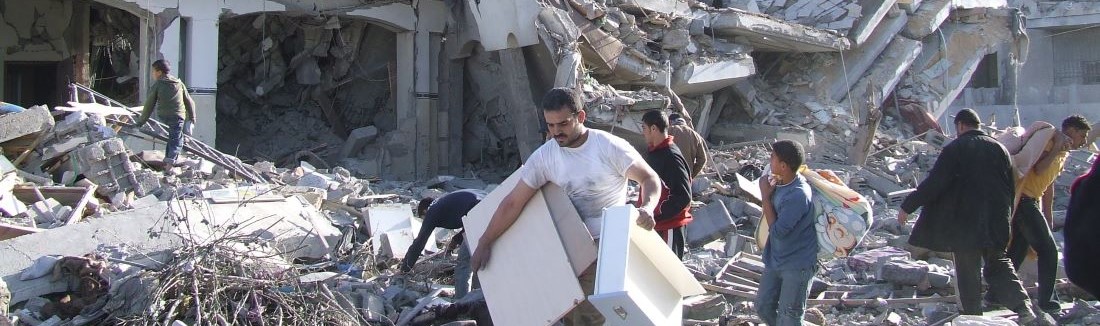
Selective Accountability: When International Law Is Applied Unequally

If international law is meant to protect civilians equally, why does its enforcement often appear uneven? This Dispatch examines Gaza and Lebanon through the principles of international humanitarian law, civilian protection, and accountability, exploring how perceptions of selective enforcement affect the credibility of the international legal system.
Beyond ‘Never Again’: Understanding Atrocity Prevention and Why It Matters
The greatest success of atrocity prevention is often invisible. It is measured not by the crises that occur, but by the tragedies that never happen.”
Civilian Protection Under Occupation: Legal Fragmentation and Enforcement in the West Bank
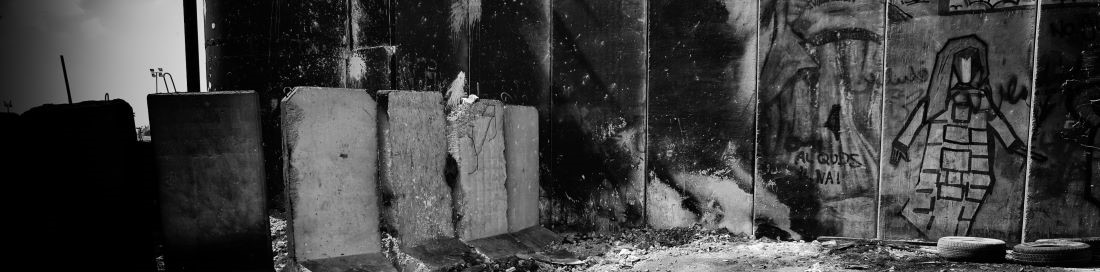
The challenge in the West Bank is not the absence of legal protections under international law, but the persistent gap between formal protections and consistent enforcement.”
Governance, Armed Conflict, and Civilian Protection in Yemen

When armed groups govern territory, civilian protection depends not only on the conduct of war, but on the conduct of governance.”
Civilian Protection in Gaza: Armed Actors, Urban Warfare, and Legal Constraints
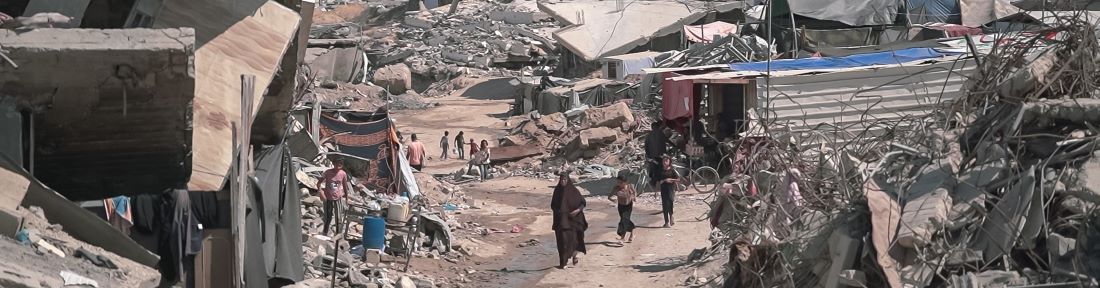
When legal protections exist without consistent enforcement, civilian protection becomes conditional—and civilians bear the cost.”
When Armed Groups Govern: Civilian Protection and Policy Constraints in Lebanon, Gaza, and Yemen

Where armed groups function as governing authorities, civilian protection is shaped not only by conflict dynamics, but by the structure of power itself.”
Lebanon on the Edge: Escalation and Civilian Risk in a Regional Conflict
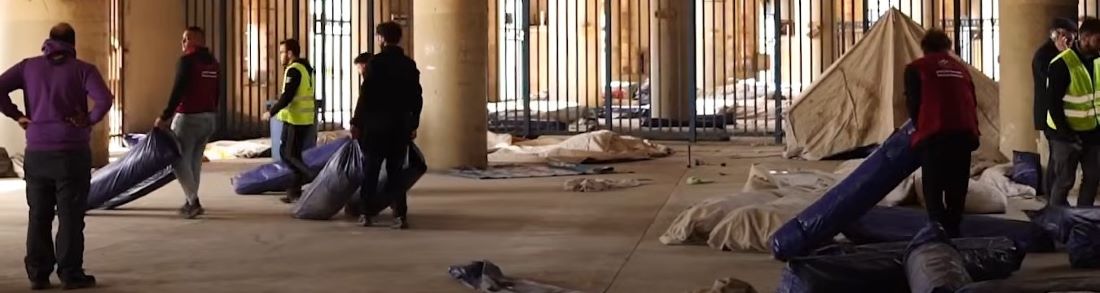
Escalation across borders does not remain contained—it expands the geography of civilian risk.”
Sudan’s War and the Collapse of Civilian Protection: Escalating Atrocity Risks Amid State Fragmentation

The erosion of centralized authority in Sudan has created conditions in which civilian protection is no longer incidental to the conflict—it is structurally absent.”