The collapse of the Iran nuclear deal marks the moment when a legal framework for containment gave way to a strategic pathway toward war.”
Tag: Armed Conflict
U.S. Use of Force in Venezuela and International Law
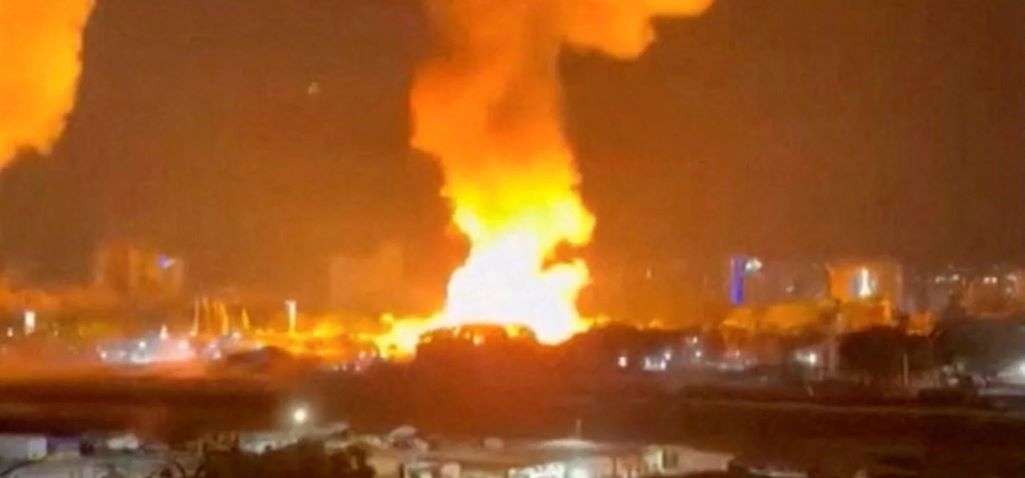
When military force is used without legal justification, the line between law enforcement and war collapses, undermining the international legal order.”
The Fall of El-Fasher: Siege, Warfare, Ethnic Violence, and Atrocity Risk in Darfur
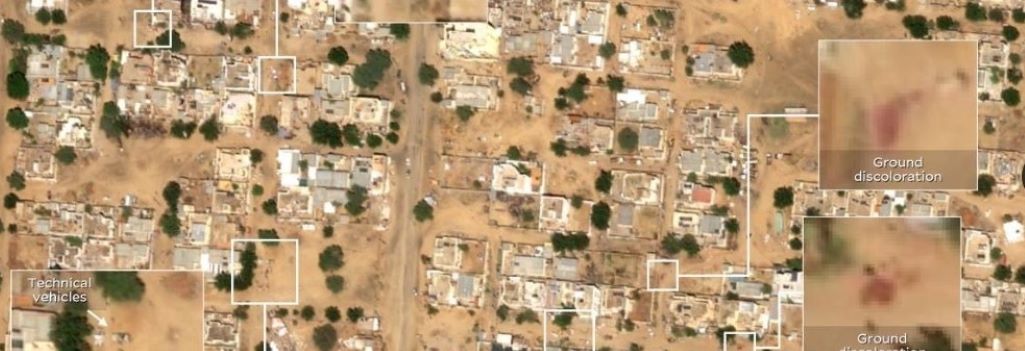
Prolonged siege, ethnic targeting, and systematic violence in El-Fasher signal an urgent need for intervention to prevent large-scale atrocities against civilian populations.”
Ceasefire Breakdown in Gaza: Renewed Israeli Strikes and the Limits of Humanitarian Access
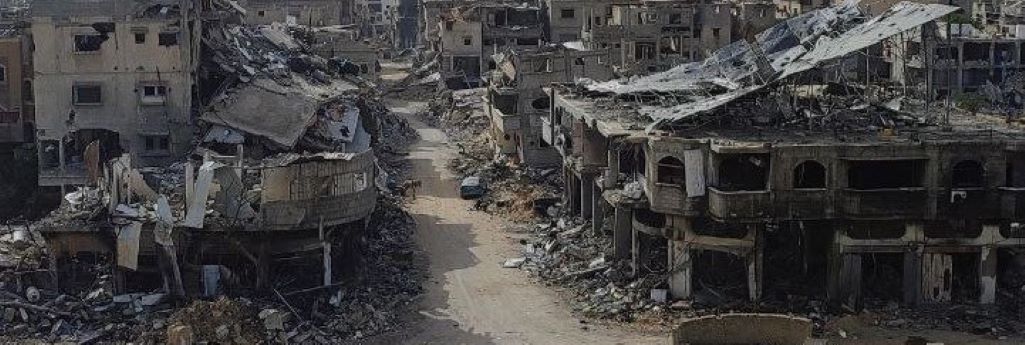
The breakdown of ceasefire commitments in Gaza underscores how fragile agreements, restricted aid, and renewed strikes can rapidly escalate risks for civilians.”
Haiti in Crisis

Haiti’s crisis is not only a humanitarian emergency—it is a preventable disaster demanding immediate global action.”
Myanmar’s Humanitarian Catastrophe

Sexual Violence in Sudan’s War: Patterns, Impunity, and Civilian Protection

Sexual violence in Sudan’s war is not incidental—it is a method of warfare that exploits impunity and targets the social fabric of communities.”
Two Years of War in Sudan: Humanitarian Collapse and International Responsibility

Sudan’s crisis is a stark reminder that inaction amid mass atrocities carries a profound cost for civilians and regional stability.”
Genocide and Ethnic Cleansing Allegations in Gaza and the West Bank

The current legal scrutiny reflects not only the scale of civilian harm, but the growing centrality of intent, conduct, and accountability in assessing potential atrocity crimes.”
Forced Disappearance: Coercion, Control, and the Erosion of Legal Order

Forced disappearance functions not only as a method of repression, but as a systemic tool to instill fear, dismantle dissent, and operate beyond the reach of law.”