
If international law is meant to protect civilians equally, why does its enforcement often appear uneven? This Dispatch examines Gaza and Lebanon through the principles of international humanitarian law, civilian protection, and accountability, exploring how perceptions of selective enforcement affect the credibility of the international legal system.
Tag: Gaza
Civilian Protection in Gaza: Armed Actors, Urban Warfare, and Legal Constraints
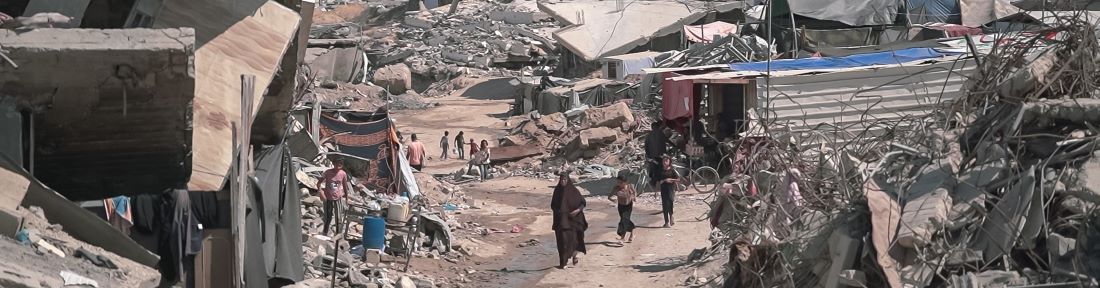
When legal protections exist without consistent enforcement, civilian protection becomes conditional—and civilians bear the cost.”
When Armed Groups Govern: Civilian Protection and Policy Constraints in Lebanon, Gaza, and Yemen
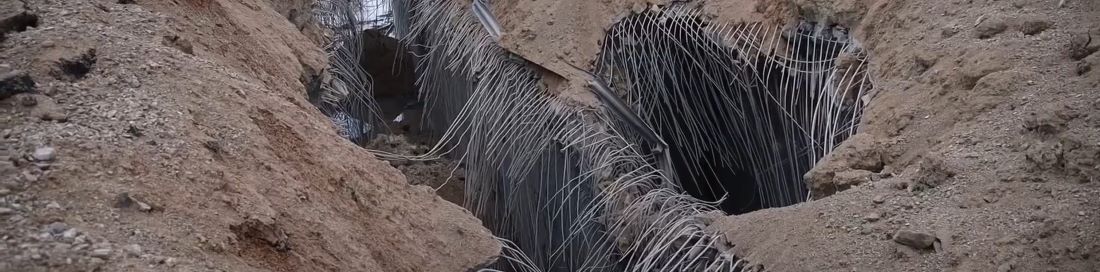
Where armed groups function as governing authorities, civilian protection is shaped not only by conflict dynamics, but by the structure of power itself.”
Ceasefire Breakdown in Gaza: Renewed Israeli Strikes and the Limits of Humanitarian Access
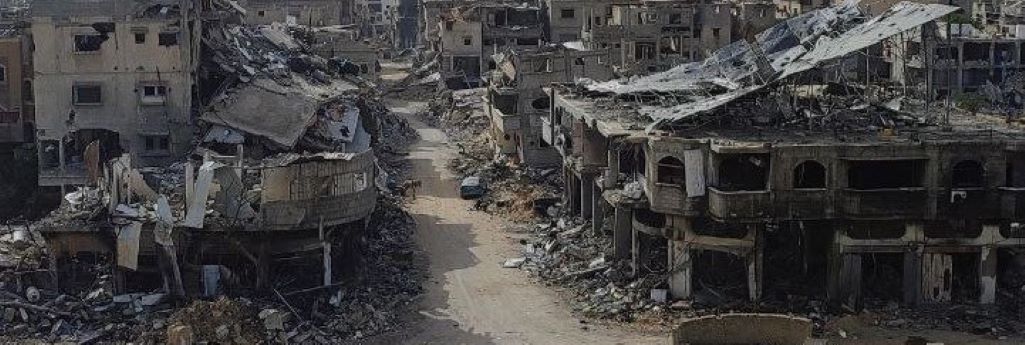
The breakdown of ceasefire commitments in Gaza underscores how fragile agreements, restricted aid, and renewed strikes can rapidly escalate risks for civilians.”
The 20-Point Gaza Peace Plan

Genocide Determination and the UN Commission of Inquiry on Gaza
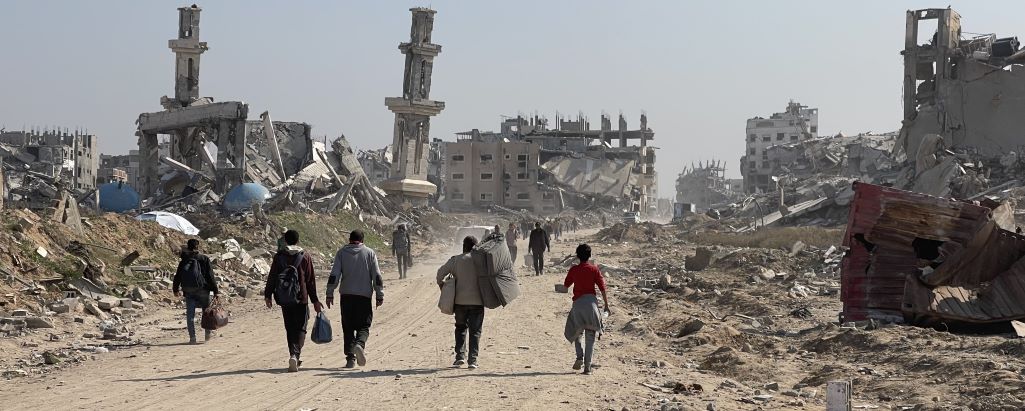
The Commission’s report places renewed emphasis on accountability and the adherence to international law, highlighting the urgent need to protect civilians amid escalating violence.”
UNGA – Recognize the State of Palestine, and Hold Israel Accountable
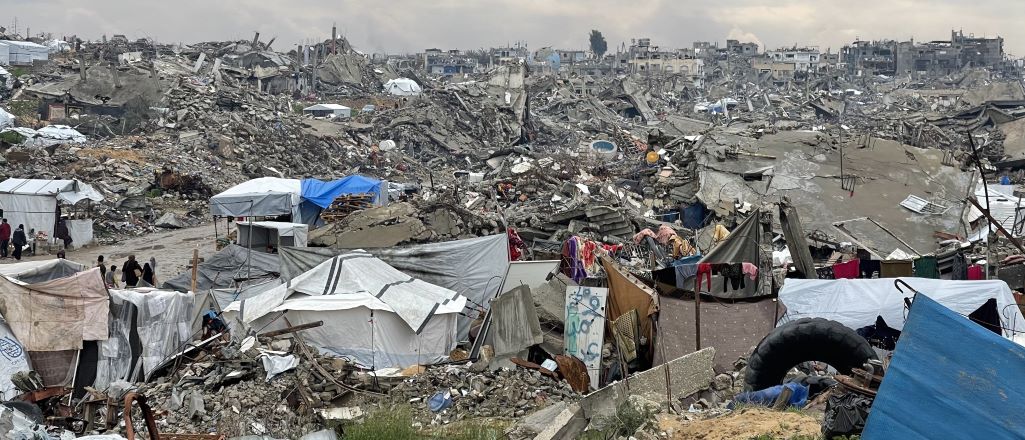
Recognition of Palestine is not a symbolic gesture—it is a legal and moral imperative that strengthens accountability and upholds international law.”
Gaza’s Famine
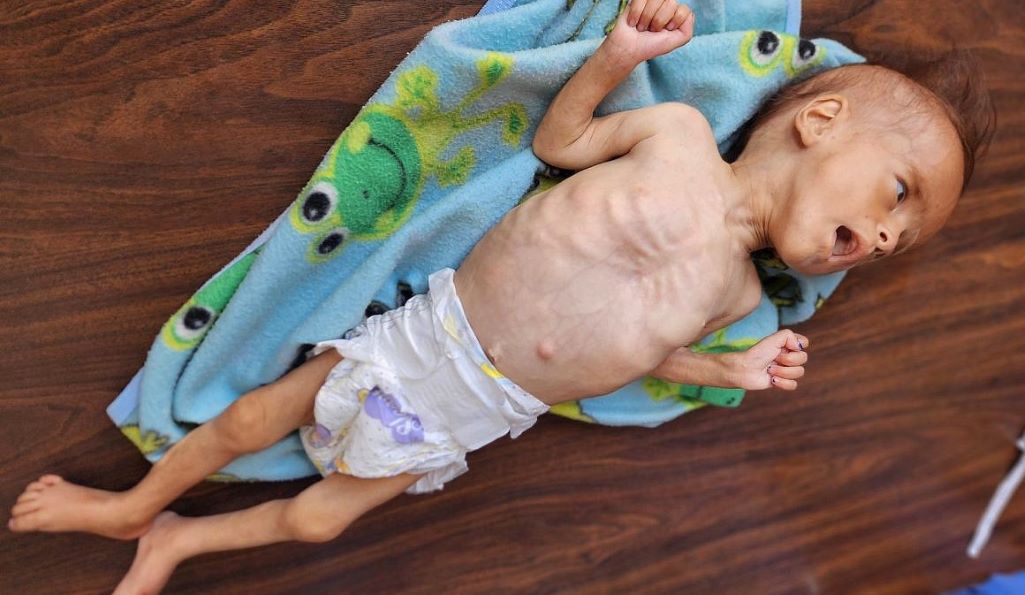
Gaza’s famine is not a natural disaster—it is a man-made catastrophe that could be ended tomorrow by allowing aid in and enforcing an unconditional ceasefire.”
The UN Security Council Veto: Power, Paralysis, and the Limits of International Protection

The Security Council veto reflects global power realities—but in moments of crisis, it has too often come at the expense of civilian protection and timely international action.”
Israel’s War in Gaza: Starvation as a Method of Warfare

When access to food, water, and aid is systematically constrained, starvation ceases to be a byproduct of conflict and becomes part of its strategy.”