
If international law is meant to protect civilians equally, why does its enforcement often appear uneven? This Dispatch examines Gaza and Lebanon through the principles of international humanitarian law, civilian protection, and accountability, exploring how perceptions of selective enforcement affect the credibility of the international legal system.
Tag: Humanitarian Access
Lebanon on the Edge: Escalation and Civilian Risk in a Regional Conflict
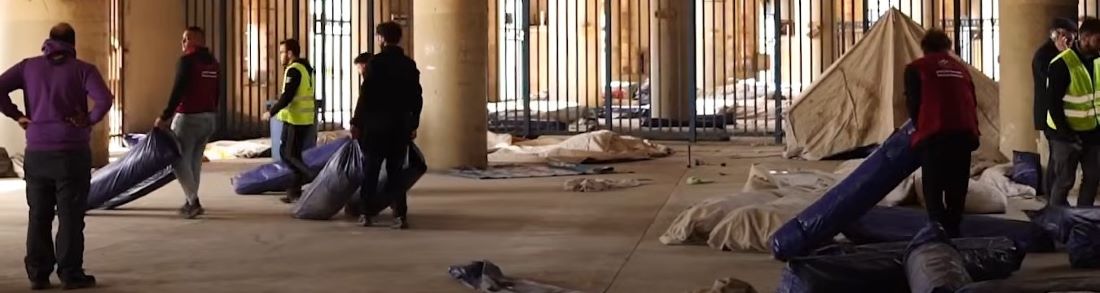
Escalation across borders does not remain contained—it expands the geography of civilian risk.”
Sudan’s War and the Collapse of Civilian Protection: Escalating Atrocity Risks Amid State Fragmentation

The erosion of centralized authority in Sudan has created conditions in which civilian protection is no longer incidental to the conflict—it is structurally absent.”
The Fall of El-Fasher: Siege, Warfare, Ethnic Violence, and Atrocity Risk in Darfur
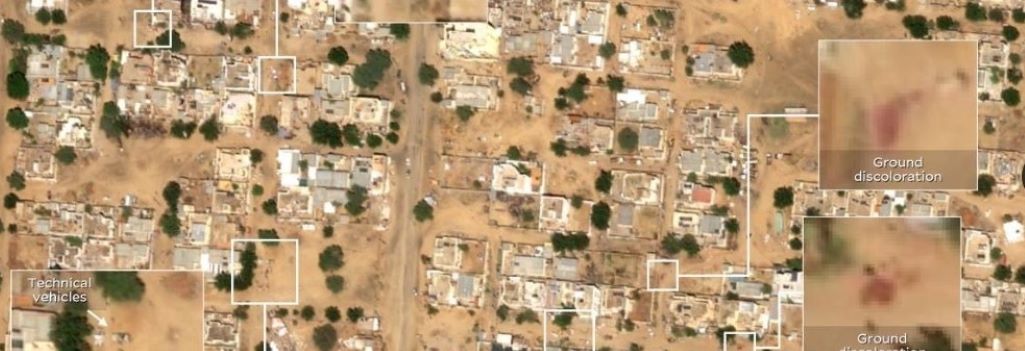
Prolonged siege, ethnic targeting, and systematic violence in El-Fasher signal an urgent need for intervention to prevent large-scale atrocities against civilian populations.”
Ceasefire Breakdown in Gaza: Renewed Israeli Strikes and the Limits of Humanitarian Access
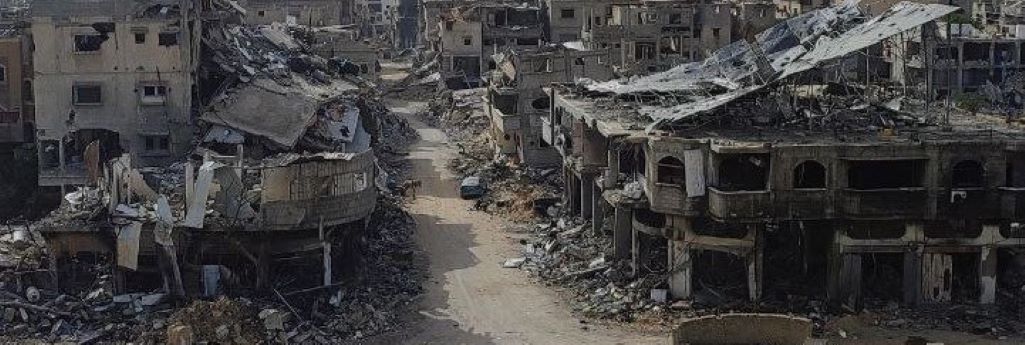
The breakdown of ceasefire commitments in Gaza underscores how fragile agreements, restricted aid, and renewed strikes can rapidly escalate risks for civilians.”
The 20-Point Gaza Peace Plan

Genocide Determination and the UN Commission of Inquiry on Gaza
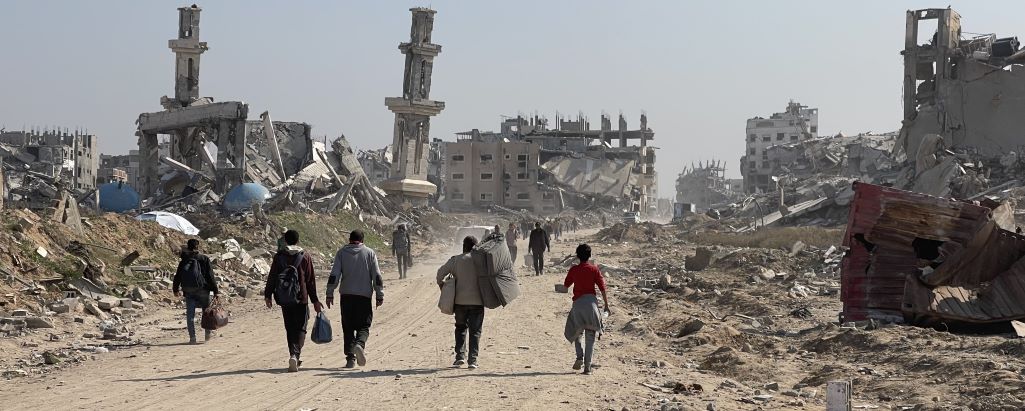
The Commission’s report places renewed emphasis on accountability and the adherence to international law, highlighting the urgent need to protect civilians amid escalating violence.”
Gaza’s Famine
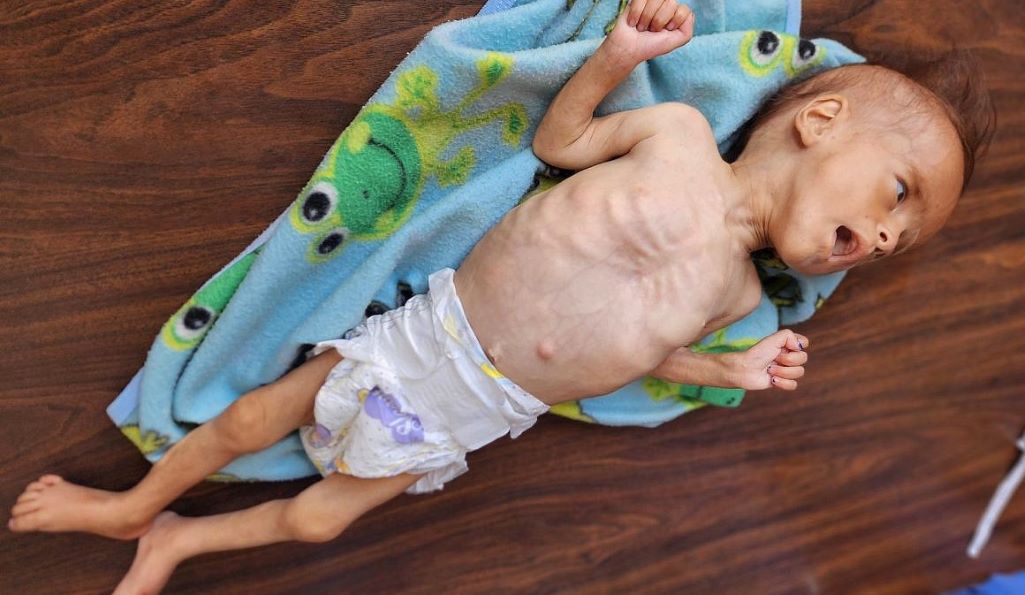
Gaza’s famine is not a natural disaster—it is a man-made catastrophe that could be ended tomorrow by allowing aid in and enforcing an unconditional ceasefire.”
Israel’s War in Gaza: Starvation as a Method of Warfare

When access to food, water, and aid is systematically constrained, starvation ceases to be a byproduct of conflict and becomes part of its strategy.”
Gaza’s Humanitarian Crisis: Aid Restrictions, Systemic Collapse, and Civilian Risk

When humanitarian systems collapse and access to aid is restricted, deprivation becomes systemic rather than incidental to conflict.”