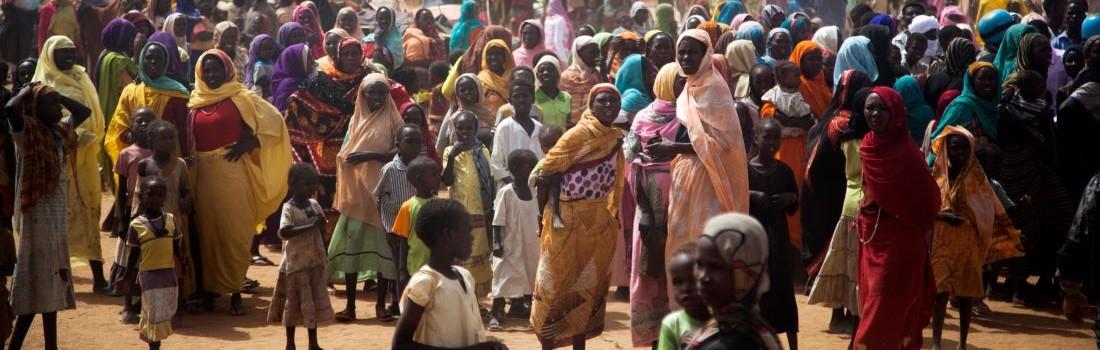
Internally displaced people and refugees may face similar dangers, but their legal protections differ. Understanding that distinction reveals critical gaps in international protection.
Category: Human Rights Law
Documenting Atrocities: Why Evidence Matters to Prevention and Accountability
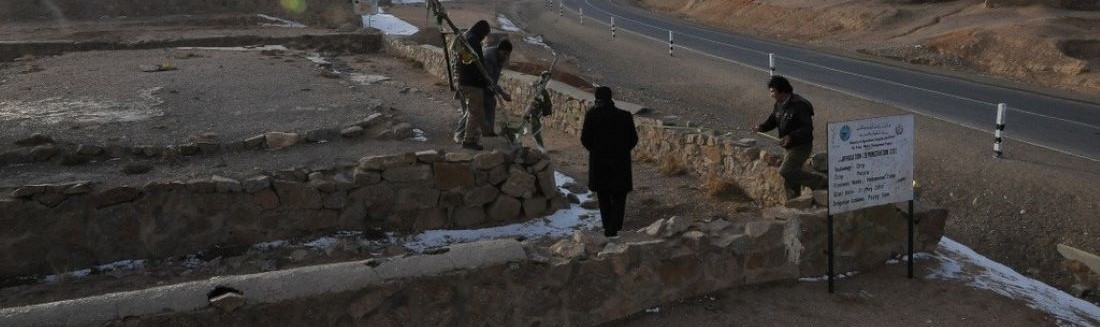
Beyond ‘Never Again’: Understanding Atrocity Prevention and Why It Matters
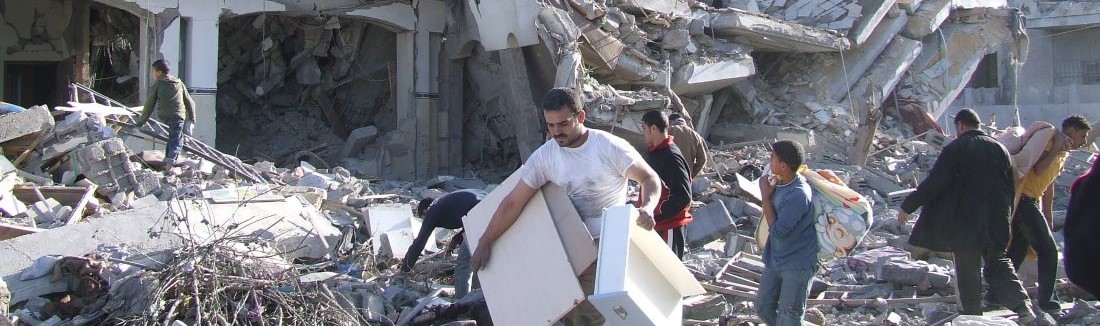
The greatest success of atrocity prevention is often invisible. It is measured not by the crises that occur, but by the tragedies that never happen.”
Cuba’s Humanitarian Crisis: Infrastructure Collapse, Public Health Strain, and Civilian Vulnerability

Humanitarian crises rarely emerge from a single shock. In Cuba, economic deterioration, infrastructure failure, and repeated disasters are compounding into a prolonged crisis of civilian resilience.”
Civilian Protection Under Occupation: Legal Fragmentation and Enforcement in the West Bank
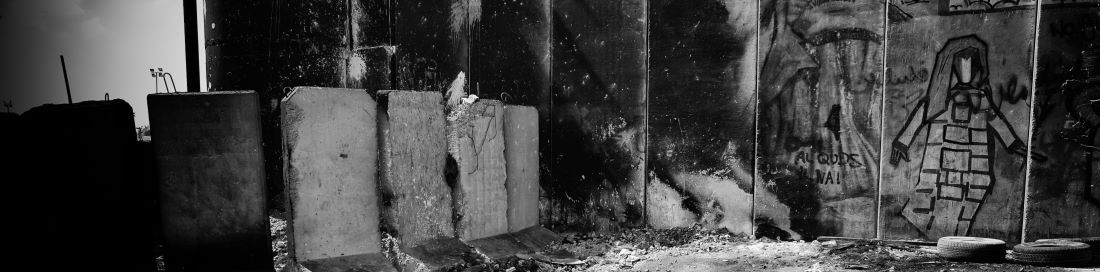
The challenge in the West Bank is not the absence of legal protections under international law, but the persistent gap between formal protections and consistent enforcement.”
Governance, Armed Conflict, and Civilian Protection in Yemen
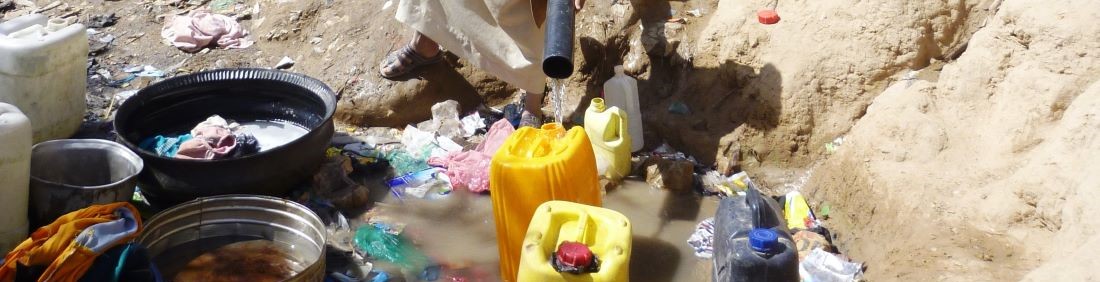
When armed groups govern territory, civilian protection depends not only on the conduct of war, but on the conduct of governance.”
Iran’s Protests: A Nation in Unrest
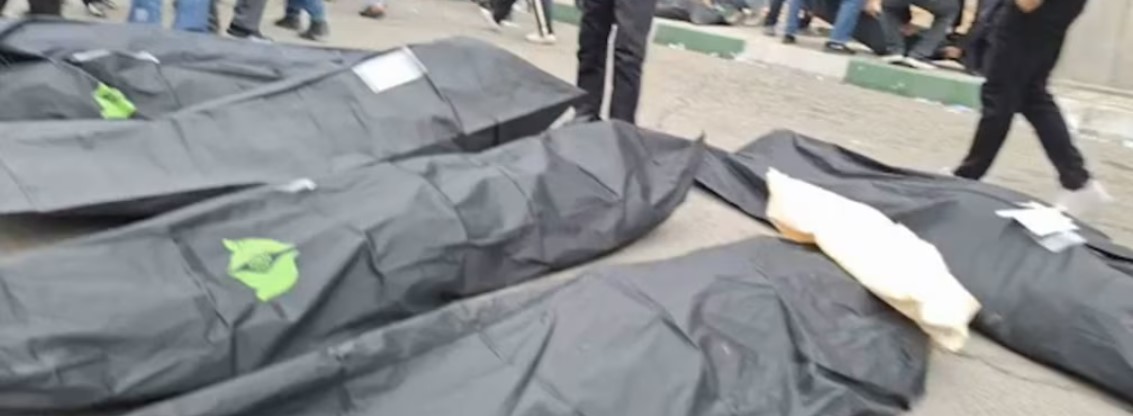
When governments criminalize protest and deploy force against civilians, unrest can quickly escalate into widespread human rights violations.”
Human Rights Day and the Genocide Convention: Two Foundations of the “Never Again” Framework
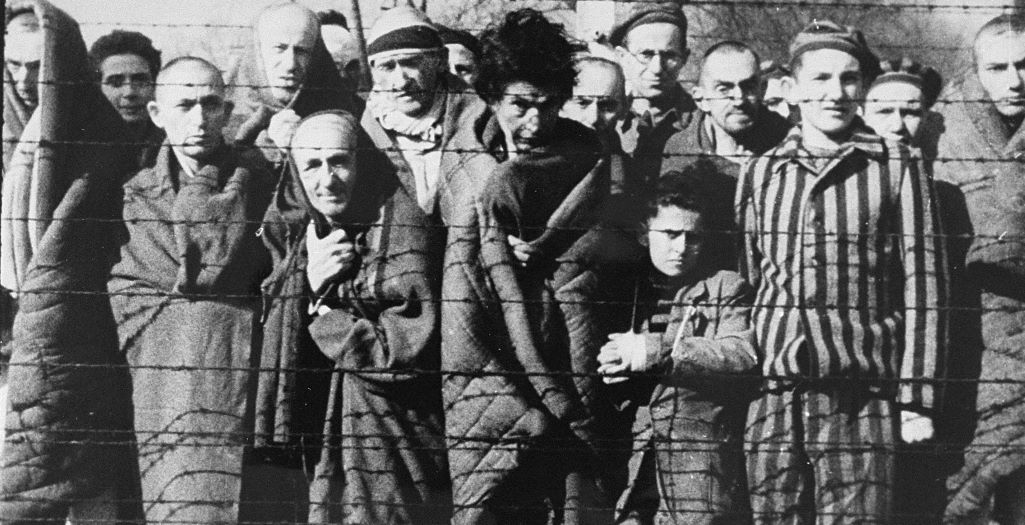
Human rights protections are not separate from atrocity prevention—they are its first and most essential line of defense.”
Mohamed bin Salman’s White House Visit: Strategic Interests and Human Rights Tradeoffs

Centering human rights in diplomatic engagements is not a liability—it is essential for credible and sustainable international partnerships.”
Venezuela’s Human Rights Crisis Under Nicolás Maduro

Systematic repression, economic collapse, and institutional erosion in Venezuela have converged into one of the most severe human rights crises in the Western Hemisphere.”