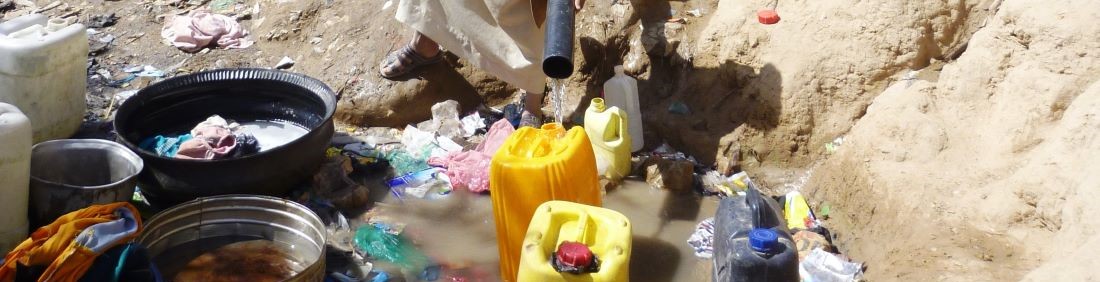
When armed groups govern territory, civilian protection depends not only on the conduct of war, but on the conduct of governance.”
Tag: Iran
When Armed Groups Govern: Civilian Protection and Policy Constraints in Lebanon, Gaza, and Yemen
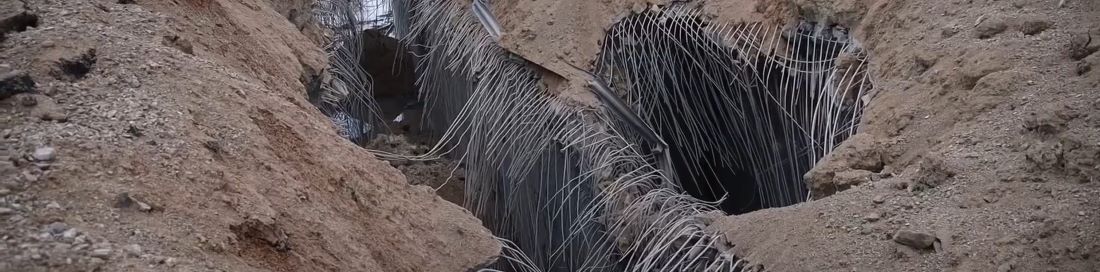
Where armed groups function as governing authorities, civilian protection is shaped not only by conflict dynamics, but by the structure of power itself.”
From Nuclear Diplomacy to Armed Conflict: The Collapse of the Iran Deal and the Legal Path to War
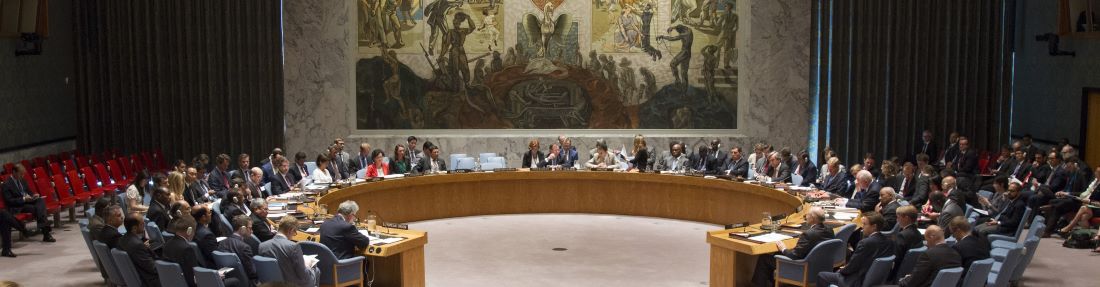
The collapse of the Iran nuclear deal marks the moment when a legal framework for containment gave way to a strategic pathway toward war.”
Iran’s Protests: A Nation in Unrest
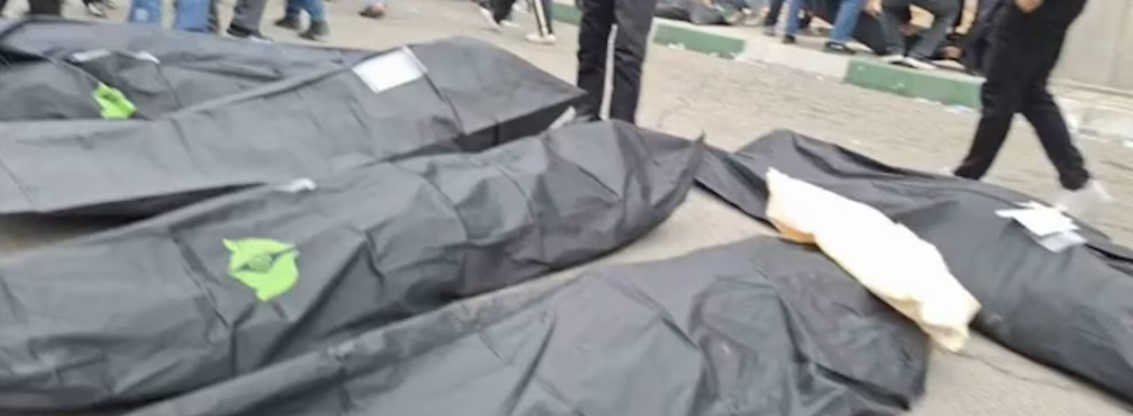
When governments criminalize protest and deploy force against civilians, unrest can quickly escalate into widespread human rights violations.”
Human Rights on Hold: How Global Indifference to Violations Fuels Instability
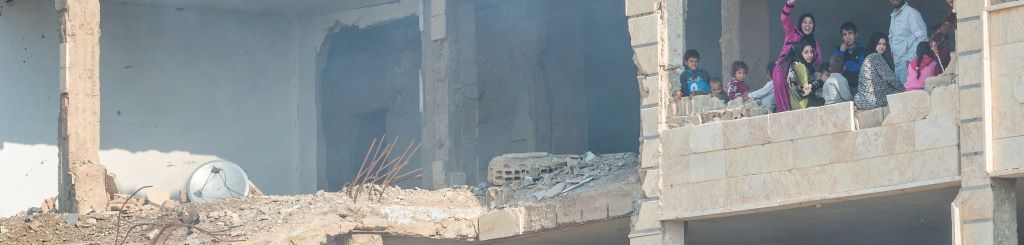
In Protest. Gender-Based Repression, Resistance Movements, and the Struggle for Human Rights
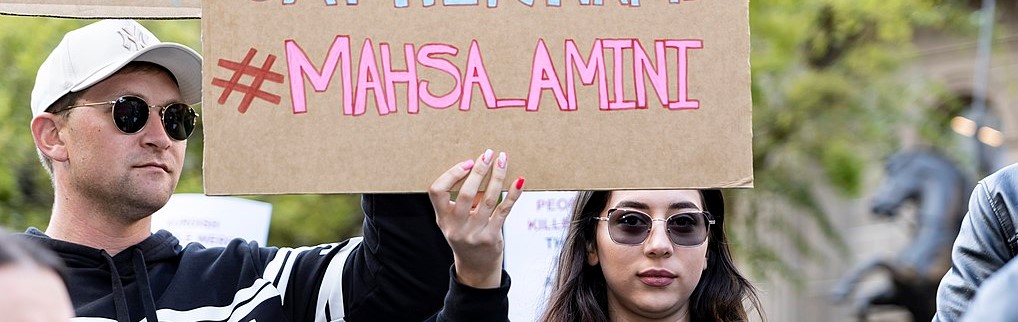
Where gender-based repression is institutionalized, protest becomes both an act of resistance and a demand for recognition under international law.”
International Sanctions – Coercive Policy Tools and the Limits of Enforcement
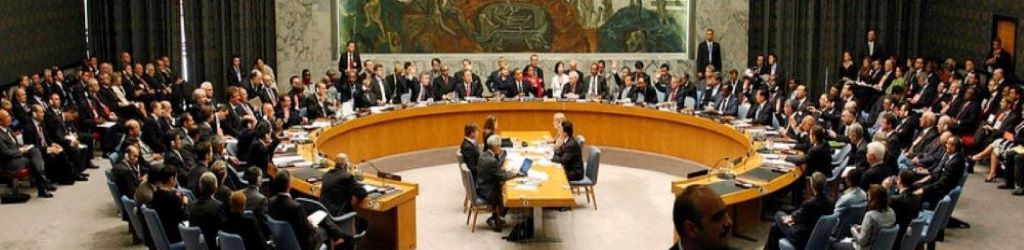
Sanctions signal international condemnation—but their success depends on enforcement, coordination, and political will.”
Bashar al-Assad’s Syria: State Violence, Protracted Conflict, and the Limits of Resolution
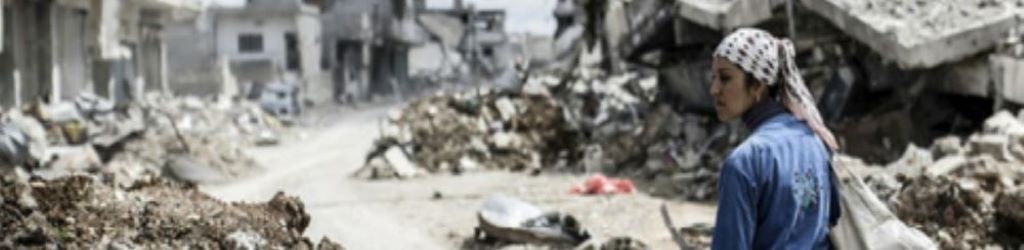
What began as a domestic uprising evolved into a protracted conflict sustained by external support, fragmented opposition, and limited diplomatic leverage.”