
Tag: Syria
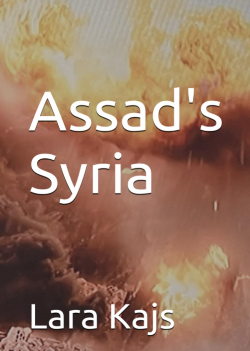
Holding Assad Accountable

When accountability is delayed, the risk is not only injustice for victims—but the normalization of atrocity crimes in future conflicts.”
Syria’s Path to Justice: Transitional Mechanisms and the Challenge of Accountability

Without accountability and answers for the missing, any path to peace in Syria risks reinforcing the conditions that enabled mass atrocities.”
Human Rights on Hold: How Global Indifference to Violations Fuels Instability

Türkiye’s Aggression in Northern Syria and Iraq: Escalation, Civilian Harm, and the Limits of Allied Accountability

Military escalation framed as counterterrorism risks normalizing civilian harm and eroding international standards designed to protect populations in conflict.”
IDP Camp Attack in Syria: Civilian Targeting, Escalation Risks, and the Fragility of Protection Frameworks

When displacement sites become targets, the distinction between battlefield and civilian space collapses, undermining the core protections of international humanitarian law.”
Responsibility to Protect: Normative Commitment, Political Constraints, and the Limits of Enforcement

R2P establishes a responsibility—but not a guarantee of action.”
International Sanctions – Coercive Policy Tools and the Limits of Enforcement

Sanctions signal international condemnation—but their success depends on enforcement, coordination, and political will.”
Bashar al-Assad’s Syria: State Violence, Protracted Conflict, and the Limits of Resolution
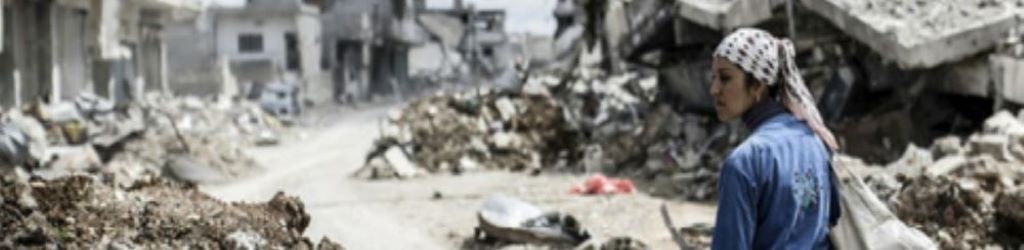
What began as a domestic uprising evolved into a protracted conflict sustained by external support, fragmented opposition, and limited diplomatic leverage.”
Protection of Civilians: International Humanitarian Law and the Limits of Protection in Modern Conflict

The protection of civilians is not a conceptual ideal—it is a legal obligation repeatedly tested, and too often undermined, in modern conflict.”