
If international law is meant to protect civilians equally, why does its enforcement often appear uneven? This Dispatch examines Gaza and Lebanon through the principles of international humanitarian law, civilian protection, and accountability, exploring how perceptions of selective enforcement affect the credibility of the international legal system.
Category: Policy & Legal Analysis
Beyond ‘Never Again’: Understanding Atrocity Prevention and Why It Matters
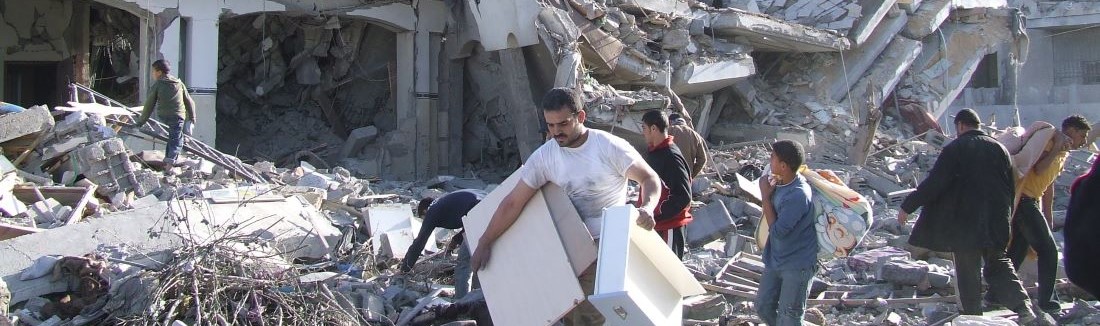
The greatest success of atrocity prevention is often invisible. It is measured not by the crises that occur, but by the tragedies that never happen.”
Civilian Protection Under Occupation: Legal Fragmentation and Enforcement in the West Bank
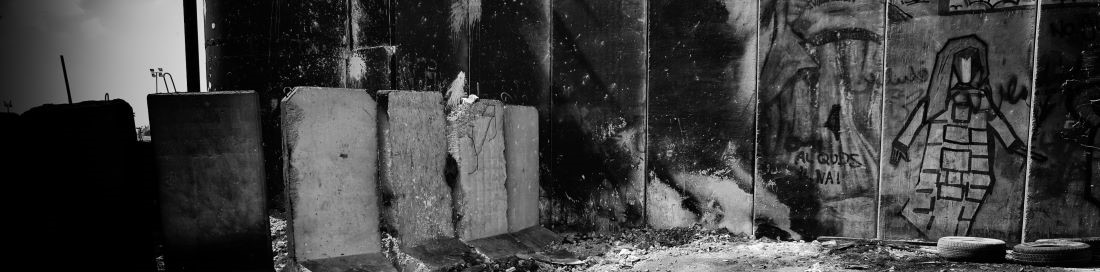
The challenge in the West Bank is not the absence of legal protections under international law, but the persistent gap between formal protections and consistent enforcement.”
When Armed Groups Govern: Civilian Protection and Policy Constraints in Lebanon, Gaza, and Yemen
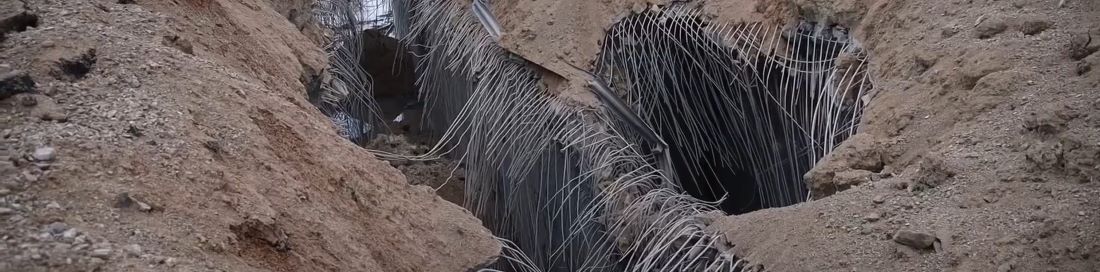
Where armed groups function as governing authorities, civilian protection is shaped not only by conflict dynamics, but by the structure of power itself.”
Sudan’s War and the Collapse of Civilian Protection: Escalating Atrocity Risks Amid State Fragmentation

The erosion of centralized authority in Sudan has created conditions in which civilian protection is no longer incidental to the conflict—it is structurally absent.”
The 20-Point Gaza Peace Plan

UNGA – Recognize the State of Palestine, and Hold Israel Accountable
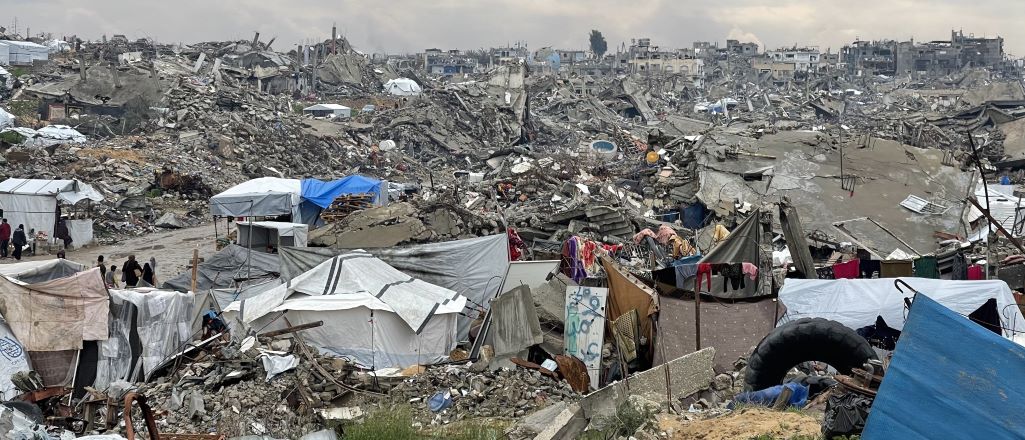
Recognition of Palestine is not a symbolic gesture—it is a legal and moral imperative that strengthens accountability and upholds international law.”
The UN Security Council Veto: Power, Paralysis, and the Limits of International Protection

The Security Council veto reflects global power realities—but in moments of crisis, it has too often come at the expense of civilian protection and timely international action.”
Syria’s Path to Justice: Transitional Mechanisms and the Challenge of Accountability

Without accountability and answers for the missing, any path to peace in Syria risks reinforcing the conditions that enabled mass atrocities.”
Gaza’s Humanitarian Crisis: Aid Restrictions, Systemic Collapse, and Civilian Risk

When humanitarian systems collapse and access to aid is restricted, deprivation becomes systemic rather than incidental to conflict.”