
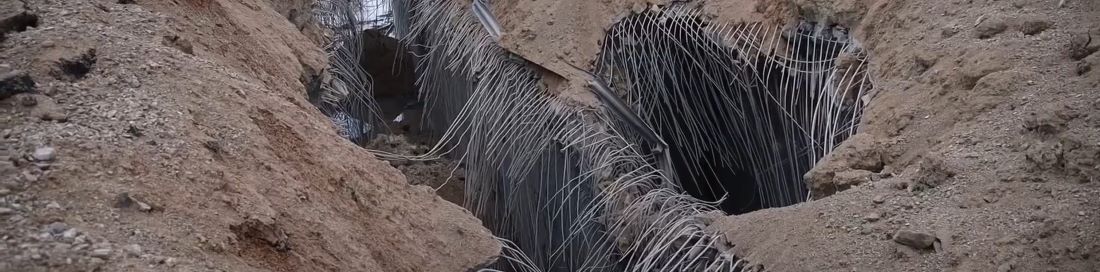
If international law is meant to protect civilians equally, why does its enforcement often appear uneven? This Dispatch examines Gaza and Lebanon through the principles of international humanitarian law, civilian protection, and accountability, exploring how perceptions of selective enforcement affect the credibility of the international legal system.
Tag: Lebanon
When Armed Groups Govern: Civilian Protection and Policy Constraints in Lebanon, Gaza, and Yemen
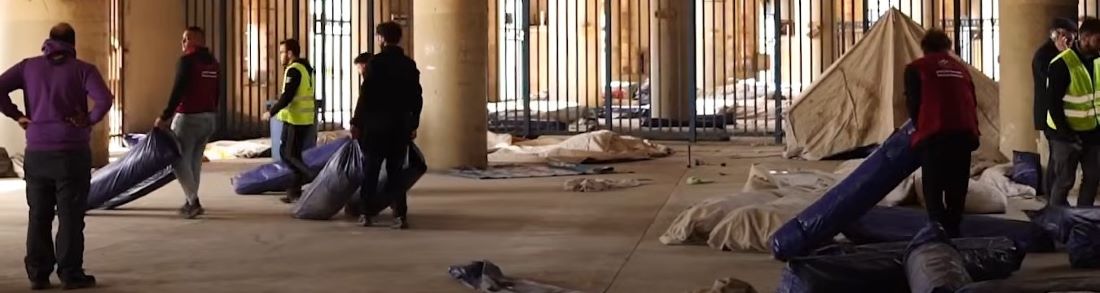
Where armed groups function as governing authorities, civilian protection is shaped not only by conflict dynamics, but by the structure of power itself.”
Lebanon on the Edge: Escalation and Civilian Risk in a Regional Conflict
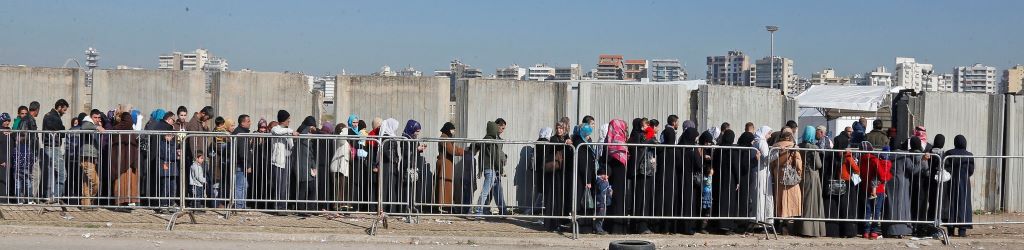
Escalation across borders does not remain contained—it expands the geography of civilian risk.”
Undocumented in Lebanon: Displacement, Legal Status, and the Precarity of Protection
In displacement settings, legal status is not a formality—it determines access to protection, livelihoods, and, ultimately, survival.”
Return to Burj, Lebanon: Conditions in Burj el-Barajneh and the Strain of Protracted Displacement
Overcrowding, inadequate infrastructure, and limited access to basic services have transformed refugee camps into sites of prolonged vulnerability rather than temporary refuge.”