Lara Kajs
Dispatches from the Field — The Genocide Report
Washington, DC — 27 May 2026
Cuba is facing a prolonged humanitarian and socioeconomic crisis shaped by overlapping pressures that extend far beyond economic decline alone. Widespread blackouts, fuel shortages, deteriorating infrastructure, shortages of food, clean water, and medicine, repeated natural disasters, and large-scale emigration have combined to place increasing strain on civilian life across the island. Cuba has long experienced economic hardship. However, the current crisis reflects a broader pattern of systemic deterioration affecting public health, social stability, and institutional resilience.
The situation illustrates how civilian vulnerability can intensify when infrastructure failure, economic contraction, disaster exposure, and weakened state capacity reinforce one another over time. The consequences are particularly severe for populations already at heightened risk.
Energy Collapse and Infrastructure Failure
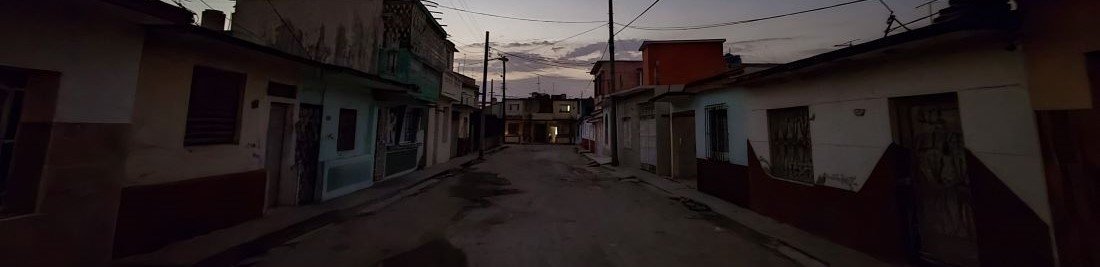
One of the clearest indicators of Cuba’s deteriorating humanitarian conditions is the country’s increasingly unstable energy system. Severe fuel shortages, aging and failing electrical infrastructure, and restrictive international sanctions have triggered recurring blackouts across large portions of the island. The outages frequently last 20 hours per day, disrupting transportation, refrigeration, water pumping systems, communication networks, and waste collection services, creating cascading effects across daily civilian life.
The crisis reflects both long-term structural weaknesses and external economic pressures. Cuba remains heavily dependent on imported fuel. Conditions worsened significantly after Venezuelan oil shipments declined amid regional political and economic instability. The U.S. sanctions and broader trade restrictions have further complicated access to fuel, replacement parts, and industrial equipment necessary for maintaining critical infrastructure.
The consequences increasingly extend beyond economic disruption into public health and humanitarian risk. Extended outages affect food preservation, sanitation systems, and access to clean water, particularly in densely populated urban areas. Hospitals and clinics face additional pressure when electricity disruptions interfere with emergency care, refrigeration of medicines, and the operation of essential medical equipment.
As blackouts become more frequent, infrastructure instability has evolved into a broader civilian protection concern affecting multiple sectors simultaneously.
Public Health Under Systemic Strain
Cuba’s healthcare system, once widely recognized for its extensive public health infrastructure, now faces mounting pressure from shortages of medicine, medical supplies, electricity, and personnel. Hospitals and clinics across the country have struggled to maintain routine care amid recurring power outages and limited access to essential pharmaceuticals.
Shortages of antibiotics, pain relievers, surgical supplies, and replacement parts for medical equipment have increasingly forced civilians to rely on informal markets (the black market) to locate basic medication. Prices within these informal networks are often significantly inflated, often up to 50 times higher than official rates, placing additional pressure on households already facing severe economic hardship.
The healthcare crisis has also been compounded by migration. Large numbers of Cubans, including medical professionals and younger working-age populations, have left the country in recent years amid worsening economic conditions. The resulting loss of skilled personnel has intensified staffing shortages and increased pressure on remaining healthcare workers.
The embargo restricts foreign pharmaceutical imports, while domestic pharmaceutical factories are unable to run due to diesel shortages. For civilians with chronic illnesses such as asthma, diabetes, and hypertension, interruptions in treatment create significant long-term health risks. Older adults, pregnant women, and children remain particularly vulnerable when routine healthcare services become unreliable or inaccessible.
Food and Water Insecurity
Food insecurity has become another defining feature of the crisis. Declining domestic agricultural production, inflation, reduced imports, and weakened purchasing power have significantly limited access to basic goods across the island. Many households increasingly rely on ration systems, financial support from relatives abroad, or informal markets to meet daily nutritional needs.
Economic deterioration has sharply reduced the value of salaries and pensions. Even when food is available, rising prices frequently place essential goods beyond the reach of many families. Power outages further compound these pressures by disrupting refrigeration and food storage, increasing spoilage and food waste.
Water access has also become increasingly unstable. Approximately 84 percent of the population depends on electrically powered water systems, meaning prolonged blackouts frequently translate into disruptions in clean water access.
Rural communities and lower-income urban households often face the greatest hardship, particularly when transportation disruptions are linked to fuel shortages that affect food distribution networks. These conditions have contributed to the expansion of informal survival economies based on barter, private exchange, and small-scale commerce outside formal state systems.
Emergency assistance from the UN World Food Programme, as well as humanitarian aid and food shipments from allied governments such as China, has provided limited relief. However, humanitarian needs continue to outpace available support.
Natural Disasters and Compounded Vulnerability
Repeated natural disasters have further intensified the pressure across the island. In recent years, Cuba has faced major hurricanes, including Hurricanes Oscar and Rafael, alongside severe earthquakes that damaged infrastructure already weakened by economic deterioration and years of deferred maintenance.
The impact of natural disasters is shaped heavily by the condition of infrastructure and public systems before disaster strikes. In Cuba, repeated shocks have strained recovery efforts and reduced the state’s ability to rebuild between emergencies.
Damage to power grids, transportation systems, housing, and healthcare facilities often requires repairs that are difficult to complete amid shortages of fuel, construction materials, and industrial equipment. Communities already coping with blackouts, food shortages, and healthcare disruptions face heightened vulnerability when disasters affect remaining infrastructure.
For many civilians, recovery has become cyclical rather than restorative, with repeated emergencies interrupting efforts to regain stability.
Migration and Demographic Pressure
Mass emigration has become one of the defining social consequences of the Cuban crisis. Between 2021 and early 2026, an estimated one million people left the island amid worsening economic conditions and declining living standards.
Demographic pressures have become particularly acute among older adults, many of whom remain behind with diminished family support networks and fewer available caregivers. While migration functions as a survival strategy for many families, large-scale population loss can also accelerate institutional weakening by reducing the workforce supporting already fragile public systems.
Humanitarian crises rarely emerge from a single shock. In Cuba, economic deterioration, infrastructure failure, and repeated disasters are compounding into a prolonged crisis of civilian resilience.”
Civilian Protection and Humanitarian Implications
The Cuban crisis demonstrates how prolonged economic deterioration and infrastructure failure can evolve into a broader civilian protection challenge even outside traditional armed conflict settings.
Humanitarian vulnerability is not shaped solely by active warfare. It may also emerge through overlapping system failures that gradually weaken healthcare access, food security, infrastructure reliability, disaster response capacity, and social resilience over time.
In Cuba, the convergence of blackouts, medical shortages, inflation, migration, and repeated disasters has produced a prolonged erosion of civilian stability across multiple sectors simultaneously.
The crisis also underscores the extent to which infrastructure and public health systems function as essential components of civilian protection. Access to electricity, healthcare, sanitation, and food distribution directly affects a population’s ability to withstand shocks and recover from emergencies.
As humanitarian pressures continue, Cuba’s long-term challenge will involve not only economic recovery but also the restoration of institutional capacity capable of supporting civilian resilience under increasingly fragile conditions.
Atrocity Prevention Lens
Although Cuba does not fit traditional atrocity prevention frameworks associated with armed conflict, the country’s prolonged humanitarian deterioration reflects several structural risk factors linked to heightened civilian vulnerability. Infrastructure collapse, along with weakened public services, food insecurity, migration pressures, and repeated disaster exposure, can significantly reduce societal resilience and strain institutional capacity over time. Prevention approaches require sustained humanitarian engagement, strengthened disaster preparedness, protection of healthcare systems, and policies aimed at mitigating long-term civilian hardship among vulnerable populations.
Legal Framework
Economic and Social Rights
International human rights law recognizes rights related to food, health, housing, and an adequate standard of living under instruments such as the International Covenant on Economic, Social, and Cultural Rights. Prolonged shortages affecting healthcare, nutrition, and essential infrastructure raise broader concerns regarding the protection of these rights during periods of severe economic crisis.
Right to Health
The right to health includes access to essential medical care, medicines, and functioning healthcare systems. Extended power outages, shortages of pharmaceuticals, and deteriorating healthcare infrastructure may significantly affect the ability of states to ensure consistent access to medical services.
Humanitarian Access and Disaster Response
International humanitarian principles emphasize the importance of humanitarian access and civilian protection during emergencies and disasters. Repeated hurricanes, earthquakes, and infrastructure failures increase the importance of coordinated humanitarian response mechanisms and disaster recovery support.
Suggested Citation
Kajs, Lara. “Cuba’s Humanitarian Crisis: Infrastructure Collapse, Public Health Strain, and Civilian Vulnerability.” Dispatches from the Field. The Genocide Report, Washington, DC, 25 May 2026.
Photo Credit
“From one blackout to the next” by Lezun Bala Berenjena. Licensed under CC BY-NC-ND 2.0.
About TGR
The Genocide Report (TGR) publishes analysis and education resources on conflict, international law, and atrocity prevention. Its work seeks to bridge academic research, field realities, and public understanding of mass violence and civilian protection.
About the Author
Lara Kajs is the founder and executive director of The Genocide Report, a Washington, DC-based educational nonprofit focused on atrocity prevention and international law. She is the author of several field-based books on conflict, displacement, humanitarian crises, and international humanitarian law, drawing on extensive research and field experience in Yemen, Syria, and Afghanistan. Her writing and public speaking focus on atrocity crimes, forced displacement, the protection of civilians, and the legal frameworks governing armed conflict.