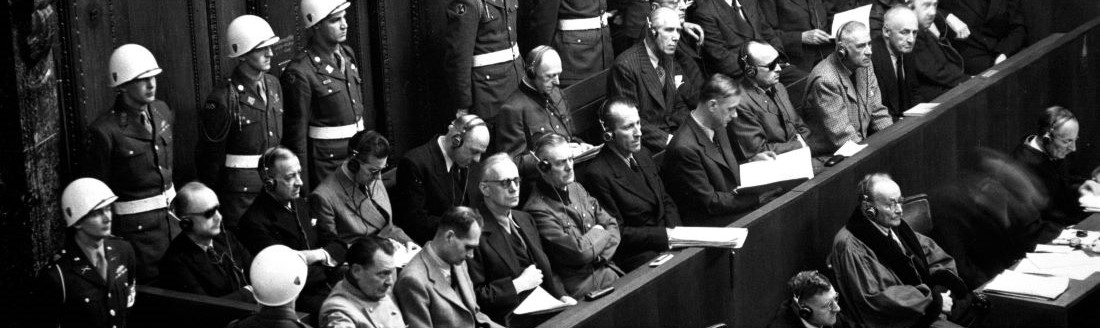
Eighty-one years after the Nuremberg Trial opened, its legacy remains central to international criminal law. The proceedings helped establish that individuals, including senior political and military leaders, can be held accountable for crimes under international law.
Author:
Internally Displaced Persons vs. Cross-Border Refugees: The Protection Gap
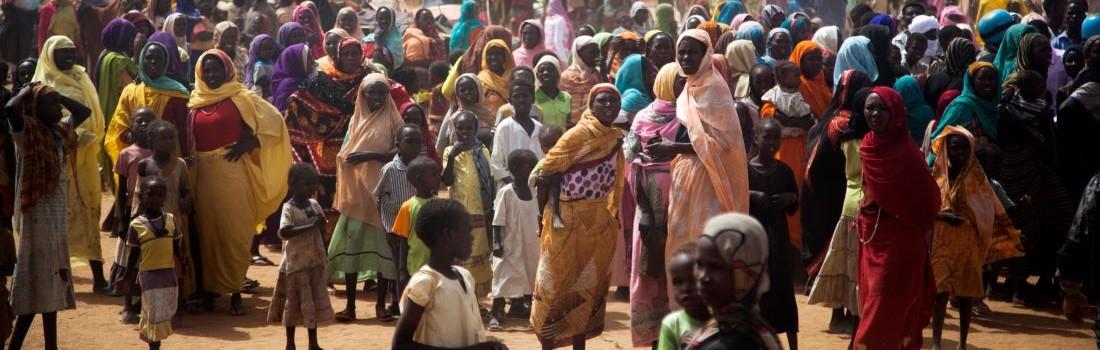
Internally displaced people and refugees may face similar dangers, but their legal protections differ. Understanding that distinction reveals critical gaps in international protection.
Documenting Atrocities: Why Evidence Matters to Prevention and Accountability
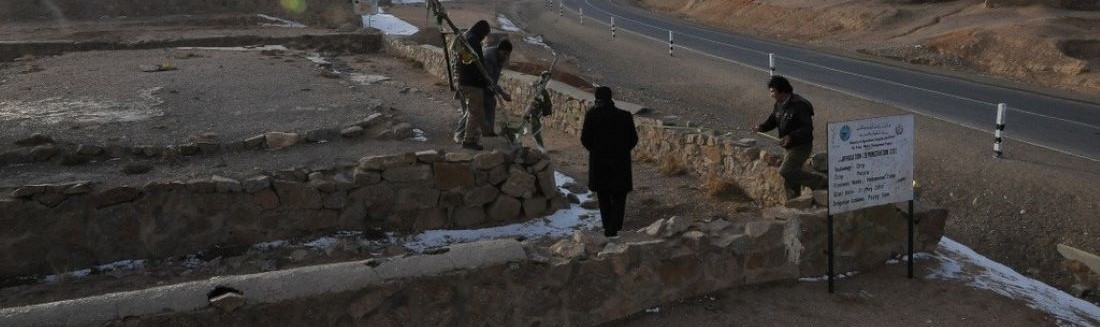
From Pretoria to Renewed War: Ethiopia’s Collapsing Peace and the Horn of Africa

“The Pretoria Agreement ended a war, but it did not resolve the disputes that produced it.”
Haiti: Ending Temporary Protected Status Amid Escalating Violence
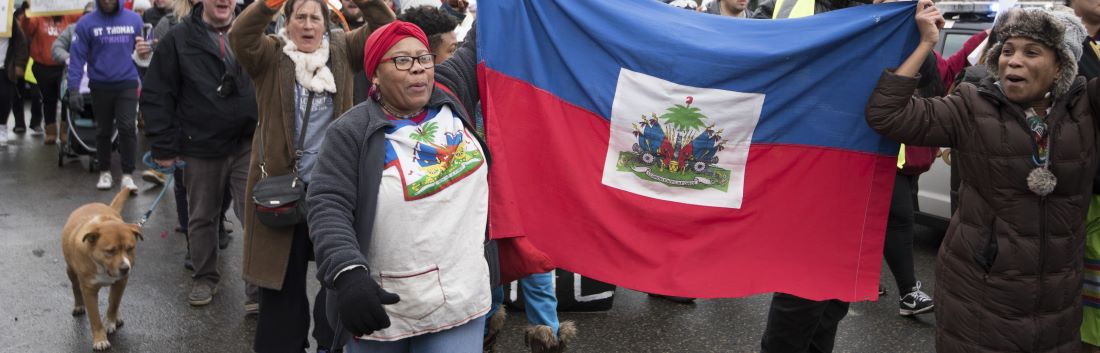
“The termination of a humanitarian designation is not evidence that the conditions that made protection necessary have ended.”
Yemen: Renewed Fighting, Displacement, and the Return of Civilian Risk
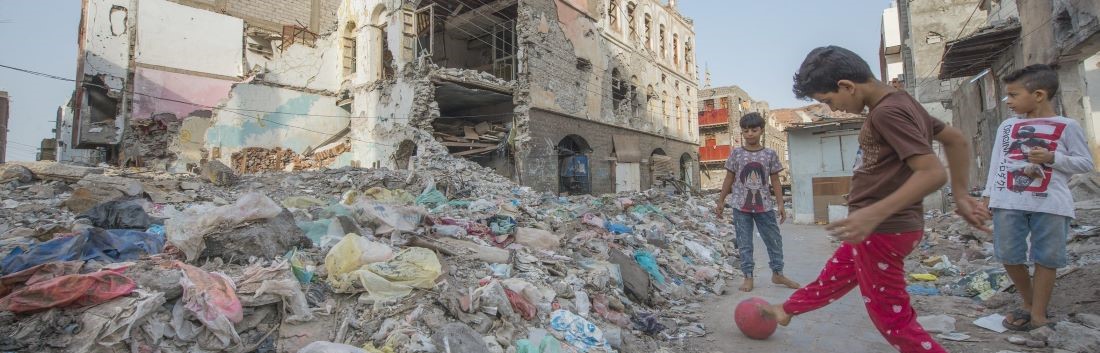
Renewed displacement is not simply a consequence of renewed fighting. It is an indicator that civilian security is deteriorating and that the conditions supporting Yemen’s fragile recovery were never consolidated into a durable peace.”
Beyond the Veil: Afghan Women and Girls’ Journey to Freedom
Assad’s Syria
Five Years Under the Taliban: The Cost of Normalization

The danger is not only that repression continues. It is that the world begins to treat repression as the permanent condition of Afghan life.
Selective Accountability: When International Law Is Applied Unequally

If international law is meant to protect civilians equally, why does its enforcement often appear uneven? This Dispatch examines Gaza and Lebanon through the principles of international humanitarian law, civilian protection, and accountability, exploring how perceptions of selective enforcement affect the credibility of the international legal system.