
In Yemen, conflict is not only measured in violence, but in the slow erosion of survival—hunger, disease, and the collapse of basic human dignity.”
Tag: Armed Conflict
Arrest Warrants for Vladimir Putin: International Justice and the Deportation of Children

The unlawful transfer of children in Ukraine is not only a war crime—it may represent one of the clearest pathways toward establishing genocidal intent.”
Crisis in the Horn of Africa: Conflict, Climate, and Compounding Vulnerabilities
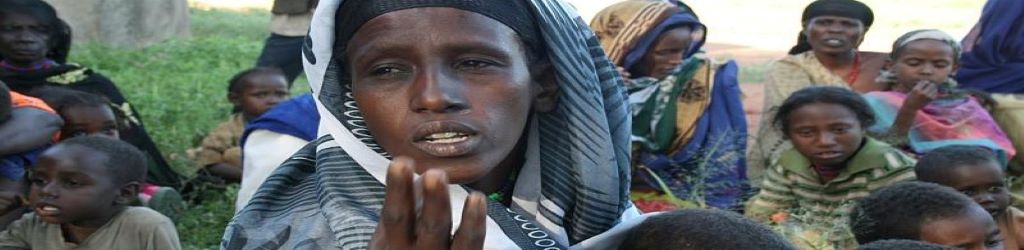
In the Horn of Africa, climate stress and armed conflict are not separate crises—they are mutually reinforcing drivers of instability and mass suffering.”
War in Ukraine: One Year of Conflict, Displacement and Global Consequences
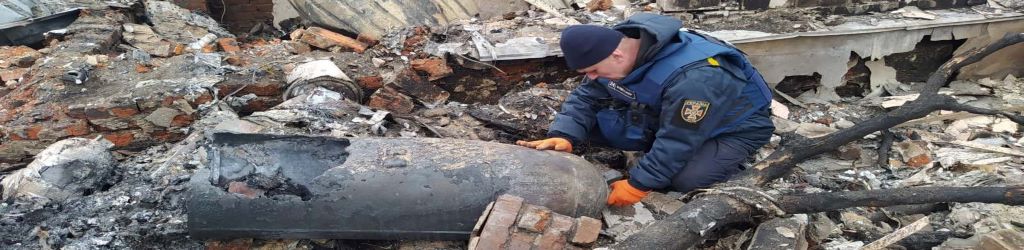
Ukraine’s citizens and military forces have demonstrated extraordinary resilience, holding their ground despite the relentless assault on civilians and infrastructure.”
Resolutions and Investigations for Myanmar: Accountability, Evidence, and the Limits of International Action
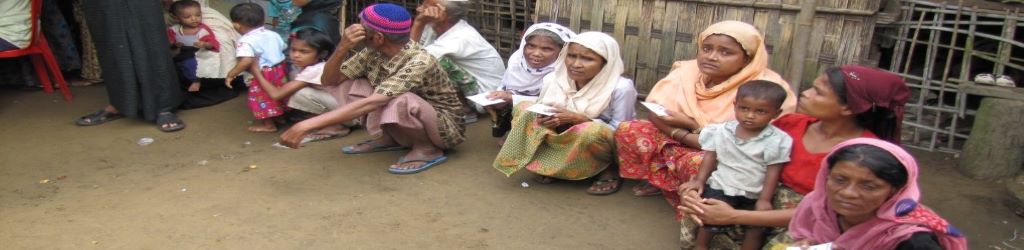
Without enforcement, international resolutions risk becoming symbolic gestures in the face of systematic atrocity crimes.”
Türkiye’s Aggression in Northern Syria and Iraq: Escalation, Civilian Harm, and the Limits of Allied Accountability
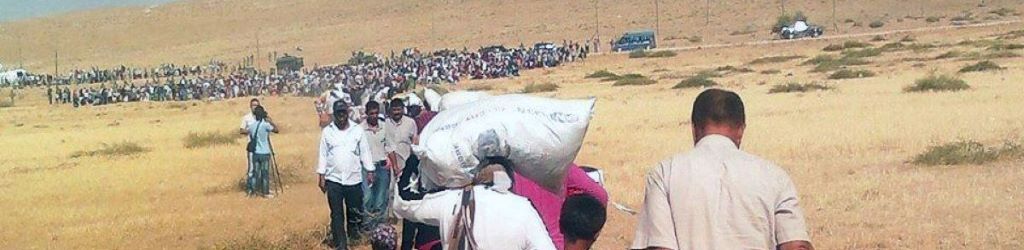
Military escalation framed as counterterrorism risks normalizing civilian harm and eroding international standards designed to protect populations in conflict.”
“We Cannot Be Broken” Historical Memory, Starvation Tactics, and Russia’s War on Ukraine

From engineered famine to weaponized infrastructure, the continuity lies in targeting the means of civilian survival.”
Ukraine’s Most Vulnerable: Civilian Risk, Systemic Strain, and the Expanding Humanitarian Impact of War

In modern conflict, vulnerability is not incidental—it is structured by who cannot flee, who cannot access care, and who remains exposed to sustained violence.”
South Sudan’s Forgotten Conflict: Fragile Peace, Governance Failures, and Persistent Atrocity Risk
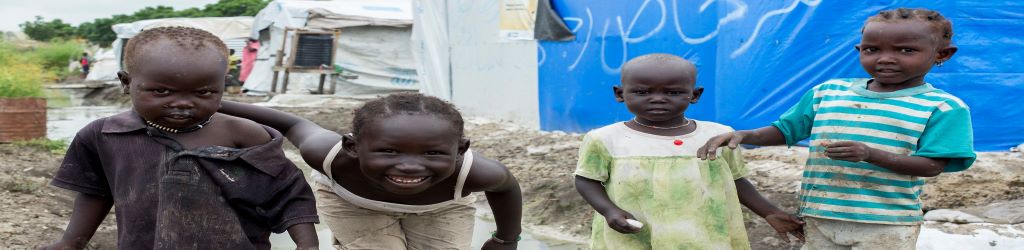
A peace agreement without implementation does not end conflict—it institutionalizes instability and prolongs civilian suffering.”
Bashar al-Assad’s Syria: State Violence, Protracted Conflict, and the Limits of Resolution
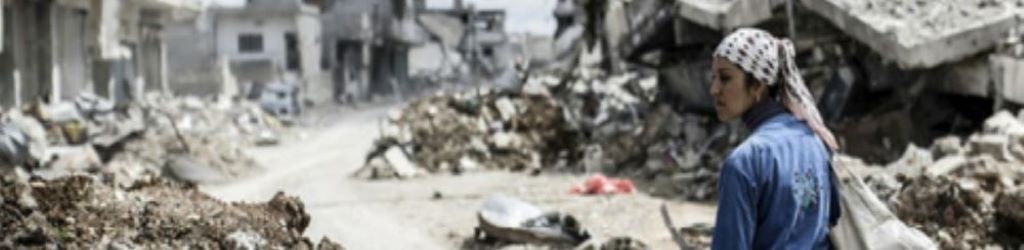
What began as a domestic uprising evolved into a protracted conflict sustained by external support, fragmented opposition, and limited diplomatic leverage.”