Lara Kajs
Dispatches from the Field — The Genocide Report
Washington, DC — 20 April 2015
Lebanon has absorbed an extraordinary number of refugees fleeing the Syrian civil war, placing immense strain on already limited infrastructure and resources. By late 2015, more than 1.2 million refugees had sought shelter in the country, many in overcrowded camps and informal settlements. The conditions within these spaces reflect not only the scale of displacement but also the structural limitations of host-state capacity, where humanitarian needs far exceed available support and long-term policy solutions remain unresolved.
Conditions in Burj el-Barajneh
Approximately 55,000 individuals reside in the Burj el-Barajneh camp in Beirut, a space originally designed to accommodate a fraction of that population. Established decades ago, the camp now reflects the cumulative effects of protracted displacement. Overcrowding has intensified pressure on housing, sanitation, and basic infrastructure, resulting in hazardous living conditions.
The physical environment is defined by dense concrete structures, limited waste management, and exposed electrical wiring. Power outages are frequent, and infrastructure failures pose ongoing risks to residents. A central section of the camp, informally known as the “Wall of Death,” illustrates the dangers associated with inadequate maintenance and oversight, where basic utilities intersect with unsafe electrical systems.
Overcrowding, inadequate infrastructure, and limited access to basic services have transformed refugee camps into sites of prolonged vulnerability rather than temporary refuge.”
Informal Settlements in Saida
Conditions in nearby Saida further demonstrate the extent of humanitarian need. Informal settlements, including unfinished buildings repurposed as shelter, house large numbers of displaced families. These environments lack access to clean water and adequate sanitation, with raw sewage and overcrowding contributing to serious public health concerns.
Multiple families often share confined spaces, with limited privacy and insufficient resources to meet daily needs. The absence of consistent humanitarian support has left many to rely on improvised solutions, underscoring the gap between pledged assistance and delivery on the ground.
Structural Constraints and Aid Limitations
Efforts to improve conditions within camps such as Burj el-Barajneh are constrained by host government policies. Lebanese authorities have expressed concern that infrastructure improvements could encourage permanent settlement, leading to restrictions on construction and repairs. In some cases, unauthorized structures have been subject to demolition, reinforcing the temporary and precarious nature of refugee housing.
These policy decisions reflect broader tensions between humanitarian necessity and national capacity. While international aid has been pledged, delays and shortfalls in delivery have compounded existing vulnerabilities, leaving refugees with limited options for improving their living conditions.
Psychological Impact and Protection Concerns
Beyond material deprivation, the psychological toll of displacement remains a critical concern. Refugees in Lebanon are coping with the cumulative effects of conflict, loss, and prolonged uncertainty. Many have experienced violence, the loss of family members, and forced displacement, contributing to widespread trauma within affected communities.
Reports indicate that a significant proportion of refugees exhibit symptoms consistent with post-traumatic stress, with children particularly affected. However, access to mental health services remains limited. Humanitarian efforts have largely prioritized immediate physical needs such as shelter and food, leaving psychological care insufficiently addressed.
Protection concerns within camps further compound these challenges. Overcrowding, economic hardship, and limited oversight have contributed to increased risks of exploitation and abuse, particularly for women and children. Without comprehensive protection mechanisms in place, these risks remain persistent.
Humanitarian Outlook
The conditions in Burj el-Barajneh and the surrounding areas offer a stark representation of the broader refugee experience in Lebanon. As displacement continues and prospects for return remain uncertain, the gap between humanitarian needs and available resources is likely to widen.
Addressing these challenges requires sustained international engagement, increased funding, and policy approaches that balance host-state concerns with the protection and dignity of displaced populations. Without such efforts, living conditions will continue to deteriorate, with long-term implications for regional stability and human security.
Atrocity Prevention Lens
Protracted displacement, deteriorating living conditions, and limited access to basic services are key indicators of heightened vulnerability among civilian populations. In the absence of adequate protection mechanisms, these environments can contribute to increased risks of exploitation, gender-based violence, and long-term social instability. Prevention strategies must prioritize improved humanitarian access, targeted protection programs, and expanded mental health services. Strengthening coordination between international organizations and host governments is essential to mitigate risks and prevent further harm to displaced populations.
Legal Framework
International Humanitarian Law
While Lebanon is not a party to the 1951 Refugee Convention, it remains bound by customary international humanitarian law principles that emphasize the protection of civilians affected by conflict. Humanitarian actors must be granted access to provide life-saving assistance, and conditions must not expose populations to unnecessary harm.
International Human Rights Law
Refugees and displaced persons are entitled to fundamental human rights protections, including access to adequate housing, sanitation, and health services. Restrictions that prevent improvements to living conditions raise concerns regarding the right to an adequate standard of living, as recognized under international human rights instruments.
Suggested Citation
Kajs, Lara. “Return to Burj, Lebanon: Conditions in Burj el-Barajneh and the Strain of Protracted Displacement.” Dispatches from the Field. The Genocide Report, Washington, DC, 20 December. 2015.
Photo Credit
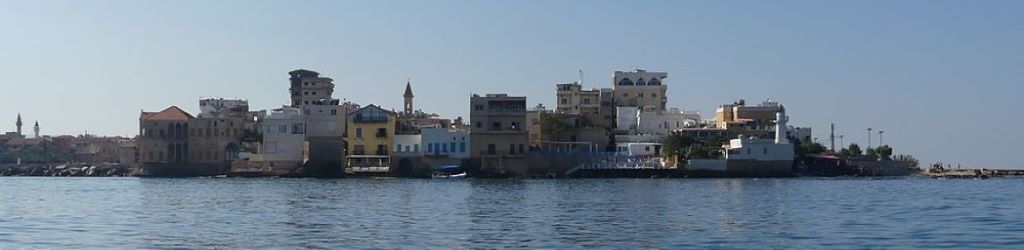
Tyre-Peninsula Western Waterfront Seen from Sea by Roman Deckert – Licensed under CC 4.0
About TGR
The Genocide Report (TGR) publishes analysis and educational resources on conflict, international law, and atrocity prevention. Its work seeks to bridge academic research, field realities, and public understanding of mass violence and civilian protection.
About the Author
Lara Kajs is the founder and executive director of The Genocide Report, a Washington, DC-based educational nonprofit focused on atrocity prevention and international law. She is the author of several field-based books on conflict, displacement, humanitarian crises, and international humanitarian law, drawing on extensive research and field experience in Yemen, Syria, and Afghanistan. Her writing and public speaking focus on atrocity crimes, forced displacement, the protection of civilians, and the legal frameworks governing armed conflict.