By Lara Kajs
Dispatches from the Field—The Genocide Report
Washington, DC—29 August 2023
Sudan is experiencing a rapid and multifaceted collapse driven by armed conflict between the Sudanese Armed Forces (SAF) and the Rapid Support Forces (RSF). Since April 2023, the violence has expanded across urban centers and peripheral regions, producing widespread civilian harm, institutional breakdown, and acute humanitarian need. The convergence of siege-like conditions in Khartoum, ethnically targeted violence in Darfur, and mass displacement across borders reflects a deteriorating environment with significant implications for atrocity risk and regional stability.
Escalating Humanitarian Crisis
The scale of humanitarian need in Sudan has reached critical levels. Approximately half the population—an estimated 25 million people—requires some form of humanitarian assistance. Despite appeals for substantial international support, funding shortfalls have constrained response efforts, limiting the delivery of essential services and lifesaving aid.
Children are among the most severely affected. Millions have been displaced since the onset of the conflict, disrupting access to education and exposing them to heightened risks, including recruitment into armed groups. The prolonged nature of the conflict raises the likelihood of long-term developmental and societal impacts, particularly if displacement and insecurity persist.
Khartoum Under Siege
Khartoum has become a central theater of urban warfare, characterized by sustained fighting, widespread destruction, and the collapse of basic services. Civilians remaining in the city face constant threats from gunfire, artillery, and aerial bombardment. Large segments of the population have fled, yet many remain trapped in conditions of extreme insecurity.
Reports indicate widespread occupation and looting of homes, attacks on civilian infrastructure, and incidents of sexual violence. Humanitarian access is severely restricted due to roadblocks, insecurity, and the targeting of aid infrastructure. Food shortages, lack of electricity, and limited access to medical care have compounded civilian suffering, effectively creating siege conditions across parts of the city.
The cumulative effect is the near-total breakdown of urban life, with civilians deprived of essential resources necessary for survival.
Collapse of Healthcare and Essential Services
Sudan’s healthcare system has been severely degraded by the conflict. A majority of hospitals in conflict-affected areas have ceased operations, while those that remain functional face critical shortages of staff, supplies, water, and electricity. Essential services, including maternal and child healthcare, have been disrupted or discontinued.
Malnutrition rates are rising, particularly among children, as food insecurity intensifies and access to treatment remains limited. The combination of malnutrition, disease risk, and healthcare collapse creates conditions associated with elevated mortality rates, especially among vulnerable populations.
The destruction and looting of medical facilities further undermine the capacity to respond, raising serious concerns under international humanitarian law regarding the protection of medical infrastructure and personnel.
Darfur: Ethnic Violence and Atrocity Indicators
While Khartoum reflects the dynamics of urban warfare, the situation in Darfur presents distinct and more acute atrocity risks. Reports from West Darfur, particularly El Geneina, indicate patterns of ethnically targeted violence, mass killings, and large-scale civilian harm.
The re-emergence of such patterns in Darfur—historically associated with genocide—has prompted renewed international concern. Investigations by international bodies into alleged war crimes and crimes against humanity underscore the severity of the situation.
Evidence of systematic targeting, combined with accounts of widespread killings and displacement, aligns with recognized indicators of mass atrocity risk. The scale and nature of the violence suggest that Darfur may once again be experiencing conditions consistent with large-scale, identity-based violence.
Sudan’s conflict has moved beyond political struggle into a pattern of violence and deprivation that places millions of civilians at immediate risk.”
Mass Displacement and Regional Implications
The conflict has triggered large-scale displacement, both internally and across international borders. Millions have been forced to flee their homes, with significant numbers seeking refuge in neighboring countries.
Chad, already facing economic and infrastructural constraints, has received a substantial influx of refugees from Darfur. The lack of adequate shelter, water, and food resources has created severe humanitarian pressures. The strain on host communities raises the risk of secondary instability, particularly in regions with limited capacity to absorb large populations.
The scale of displacement, combined with insufficient international support, has the potential to destabilize neighboring states and exacerbate regional insecurity.
Diplomatic Efforts and Constraints
Efforts to broker ceasefires and facilitate humanitarian access have thus far yielded limited results. Initiatives led by regional organizations and international actors, including the United States and Saudi Arabia, have focused on securing temporary ceasefires to enable aid delivery.
However, these agreements have been repeatedly violated or exploited by the parties to the conflict. Both the SAF and RSF continue to prioritize military advantage, limiting the prospects for sustained de-escalation. The absence of meaningful political concessions and the persistence of battlefield objectives suggest that the conflict is likely to continue in the near term.
This dynamic underscores the challenges of conflict resolution in contexts where parties view the struggle as existential and zero-sum.
Atrocity Prevention Lens
Sudan presents a convergence of high-risk atrocity indicators, including ethnically targeted violence, mass displacement, attacks on civilians and protected infrastructure, and the obstruction of humanitarian assistance. The situation in Darfur, in particular, reflects patterns historically associated with genocide and crimes against humanity. The collapse of state institutions and the proliferation of armed actors further increase the likelihood of unchecked violence. Immediate priorities for prevention include securing humanitarian access, strengthening monitoring and documentation mechanisms, and applying sustained diplomatic and economic pressure to deter further abuses. Without coordinated intervention, the risk of large-scale atrocities is likely to intensify.
Legal Framework
International Humanitarian Law
The conduct of hostilities in Sudan is governed by international humanitarian law, which requires distinction between civilian and military targets and prohibits attacks on civilians, medical facilities, and humanitarian personnel. Reports of indiscriminate attacks and destruction of infrastructure raise serious legal concerns under these principles.
War Crimes and Crimes Against Humanity
Acts including targeted killings, sexual violence, forced displacement, and attacks on civilian infrastructure may constitute war crimes. When carried out as part of a widespread or systematic attack against a civilian population, such acts may rise to the level of crimes against humanity under international criminal law.
Genocide Convention
Patterns of ethnically targeted violence in Darfur raise concerns under the Genocide Convention. While legal determination requires specific intent, indicators such as systematic targeting and large-scale killings are central to such assessments.
Responsibility to Protect
Where a state is unable or unwilling to protect its population from mass atrocities, the Responsibility to Protect framework provides a basis for international action. The scale of violence and humanitarian need in Sudan highlights the urgency of this principle in practice.
Suggested Citation
Kajs, Lara. “Sudan Is Unraveling: Armed Conflict, Humanitarian Collapse, and Renewed Atrocity Risk.” Dispatches from the Field—The Genocide Report. Washington, DC, 29 August 2023.
Photo Credit
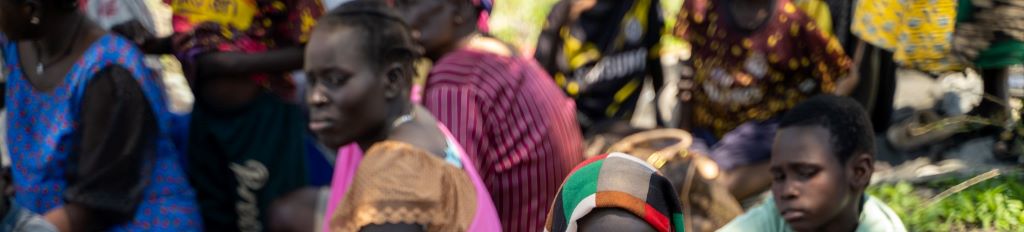
South Sudanese return amid Khartoum unrest, seek aid as UNMISS provides a protective presence by UNMISS Media. Licensed under CC by NC-ND 2.0
About TGR
The Genocide Report (TGR) publishes analysis and educational resources on conflict, international law, and atrocity prevention. Its work seeks to bridge academic research, field realities, and public understanding of mass violence and civilian protection.
About the Author
Lara Kajs is the founder and executive director of The Genocide Report, a Washington, DC-based educational nonprofit focused on atrocity prevention and international law. She is the author of several field-based books on conflict, displacement, humanitarian crises, and international humanitarian law, drawing on extensive research and field experience in Yemen, Syria, and Afghanistan. Her writing and public speaking focus on atrocity crimes, forced displacement, the protection of civilians, and the legal frameworks governing armed conflict.