TGR
Dispatches from the Field — The Genocide Report
Washington, DC — 8 May 2014
By mid-2014, the Central African Republic (CAR) faced a deepening humanitarian crisis marked by widespread violence, mass displacement, and the near collapse of essential state services. Among the most critical consequences has been the degradation of the country’s healthcare system. Years of instability, compounded by intensified conflict, have severely limited access to medical care, disrupted disease prevention efforts, and left large segments of the population without basic health services.
Conflict and the Breakdown of Health Systems
The Central African Republic has experienced prolonged instability, with cycles of violence contributing to the erosion of institutional capacity. The situation escalated significantly in the years leading up to 2014, prompting international concern and the eventual authorization of a United Nations peacekeeping mission of nearly 12,000 personnel. However, the delayed deployment has left a critical gap in security and humanitarian access.
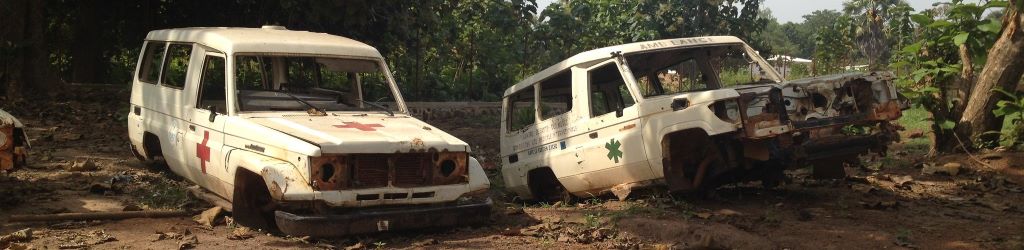
The absence of stability has directly affected the country’s ability to maintain a functioning healthcare system. Medical facilities have been looted or destroyed, and ongoing insecurity has prevented consistent access for humanitarian organizations. As a result, the healthcare infrastructure has deteriorated to the point of near collapse.
In the Central African Republic, the collapse of healthcare is not only a humanitarian emergency—it is a direct consequence of sustained violence and insecurity.”
Limited Healthcare Resources
Assessments conducted by international health organizations indicate a sharp decline in operational health facilities across the country. By 2013, fewer than half of healthcare centers remained functional, and conditions have continued to worsen.
The consequences are evident in the resurgence and spread of preventable diseases. Malaria remains widespread, particularly in the capital, Bangui, where a significant portion of the population is affected. Inadequate sanitation and limited access to clean water have contributed to increased rates of diarrheal disease, while disruptions to vaccination programs have led to a rise in measles cases.
Without reliable access to electricity, clean water, and medical supplies, healthcare providers are unable to deliver even the most basic services. Preventative care has been largely halted, further exacerbating public health risks.
Healthcare Workers Under Strain
Healthcare workers in CAR operate under extremely challenging conditions. Many have gone months without pay, undermining morale and the sustainability of service provision. In addition to financial hardship, medical personnel face significant personal risk due to ongoing violence and instability.
The lack of basic infrastructure, including schools and reliable utilities, has forced many healthcare workers to separate from their families. This further complicates retention and contributes to the gradual depletion of an already limited workforce.
The movement of internally displaced persons and refugees across borders has raised concerns about the spread of infectious diseases, including polio. At the same time, logistical challenges and funding shortages continue to impede the delivery of essential medical supplies and food assistance.
Humanitarian Access and Ongoing Violence
The crisis in CAR is distinct in that it is driven primarily by conflict rather than natural disaster. Daily reports of violence, including killings, mutilations, and sexual violence, have created an environment in which humanitarian actors struggle to operate safely.
Restricted access has left vulnerable populations without adequate assistance, contributing to rising malnutrition and untreated illness, particularly among children. Funding constraints further limit the scale and effectiveness of humanitarian interventions, leaving critical gaps in care.
As the rainy season approaches, the risk of disease outbreaks increases, compounding an already fragile situation. Delays in international response and the slow deployment of peacekeeping forces raise urgent questions about the adequacy and timeliness of global efforts to address the crisis.
Atrocity Prevention Lens
The conditions in the Central African Republic reflect multiple indicators of elevated atrocity risk, including widespread violence against civilians, systemic destruction of infrastructure, and severe restrictions on humanitarian access. The collapse of healthcare services exacerbates vulnerability by increasing mortality from preventable diseases and limiting recovery for affected populations. Prevention strategies must prioritize the protection of civilians, restoration of humanitarian access, and stabilization of critical infrastructure. Strengthening international coordination and ensuring the timely deployment of peacekeeping forces are essential to mitigating further harm and preventing escalation.
Legal Framework
International Humanitarian Law
Under international humanitarian law, all parties to a conflict are obligated to protect civilians and ensure access to medical care. Attacks on healthcare facilities, obstruction of humanitarian assistance, and violence against medical personnel constitute serious violations of the Geneva Conventions and customary international law.
International Human Rights Law
The right to health is a fundamental human right recognized under international legal frameworks. The systematic denial of access to healthcare, whether through direct attacks or indirect consequences of conflict, raises significant legal concerns and may contribute to broader patterns of human rights violations.
Suggested Citation
TGR. “Healthcare in the Central African Republic: On the Verge of Collapse.” Dispatches from the Field. The Genocide Report, Washington, DC, 8 May 2014.
Photo Credit
The impact of the violence by DFID – UK Department for International Development – License under CC 2.0.
About TGR
The Genocide Report (TGR) publishes analysis and educational resources on conflict, international law, and atrocity prevention. Its work seeks to bridge academic research, field realities, and public understanding of mass violence and civilian protection.