Dispatches from the Field — The Genocide Report
Washington, DC — 15 September 2022
The temporary ceasefire between Israel and armed groups in Gaza underscores both the immediate benefits of de-escalation and the enduring structural conditions that make renewed conflict likely.
A ceasefire brokered by Egypt in August 2022 brought a halt to three days of intense hostilities between Israel and armed groups in Gaza. The agreement enabled the reopening of key crossings, including Erez and Kerem Shalom, and allowed for the resumption of humanitarian aid and essential supplies. While the truce provided short-term relief, its durability remains uncertain given the underlying dynamics of the conflict.
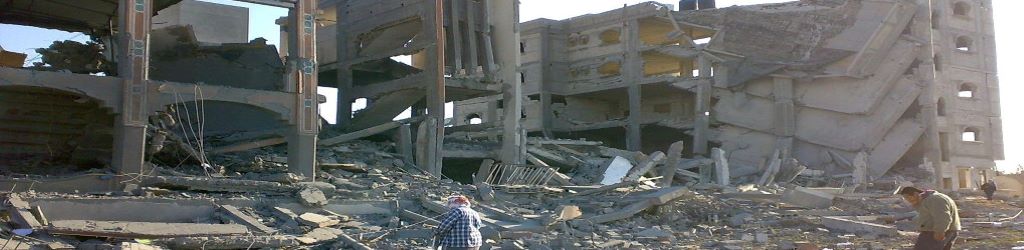
The escalation preceding the ceasefire involved extensive Israeli airstrikes and the launch of rockets and mortars from Gaza into Israeli territory. Civilian casualties were reported on both sides, with significant destruction in Gaza. The intensity of the exchange marked one of the most severe episodes of violence since the May 2021 conflict.
Ceasefires in Gaza reduce immediate violence, but without structural change, they function as pauses—not resolutions—in a recurring cycle of conflict.”
Conduct of Hostilities and Civilian Impact
The recent escalation highlights ongoing concerns regarding the conduct of hostilities. Airstrikes in densely populated areas and the use of unguided rockets directed toward civilian population centers raise serious questions under international humanitarian law.
The principles of distinction, proportionality, and precaution are central to assessing such actions. Civilian harm—whether from aerial bombardment or indiscriminate rocket fire—reflects the continued exposure of populations on both sides to significant risk.
The timing of strikes continuing up to the onset of the ceasefire further underscores the volatility of these engagements and the limited space for civilian protection in active conflict environments.
Historical and Political Context
The Gaza–Israel conflict is rooted in longstanding political, territorial, and security disputes. Key unresolved issues include the status of Jerusalem, the future of a Palestinian state, Israeli settlement activity, and the rights of Palestinian refugees.
Internal Palestinian political divisions—particularly between governance structures in the West Bank and Gaza—have further complicated the situation. These divisions affect both diplomatic engagement and the implementation of any long-term agreements.
Competing narratives shape the interpretation of events. Israeli authorities emphasize security concerns and the threat posed by armed groups, while Palestinian perspectives highlight occupation, blockade, and recurring military operations. These divergent frameworks contribute to entrenched positions and hinder progress toward resolution.
Regional and External Dynamics
The conflict is also influenced by broader regional dynamics. States including Egypt, Iran, Turkey, and Qatar play varying roles through political support, mediation efforts, and strategic alignment. These external influences intersect with regional rivalries, adding layers of complexity to an already protracted conflict.
Egypt’s role as a mediator remains central, particularly in facilitating ceasefires and managing border access. However, the broader geopolitical environment continues to shape incentives and constraints for all parties involved.
Humanitarian and Economic Conditions in Gaza
The humanitarian situation in Gaza remains severe. High population density, prolonged restrictions on movement and access, and repeated cycles of conflict have contributed to widespread poverty and economic instability.
Infrastructure challenges—including limited access to clean water, electricity, and healthcare—have significantly impacted living conditions. The healthcare system operates under considerable strain, with limited capacity to respond to both routine needs and conflict-related injuries.
The psychological impact of sustained conflict is also significant. Repeated exposure to violence has contributed to widespread trauma, particularly among children and young people. These effects are likely to persist beyond periods of active hostilities, shaping long-term social and health outcomes.
Ceasefire Sustainability and Policy Considerations
While ceasefires provide immediate humanitarian relief, they do not address the structural drivers of conflict. The recurrence of violence suggests that without progress on underlying political and economic issues, periods of calm are likely to remain temporary.
Sustainable de-escalation will require not only adherence to ceasefire terms but also broader engagement on core issues, including governance, security arrangements, and humanitarian access. The role of international actors in supporting accountability and facilitating dialogue remains critical.
Atrocity Prevention Lens
The Gaza–Israel context presents ongoing atrocity risk factors, including repeated cycles of violence, high civilian density in conflict zones, and patterns of conduct that expose civilians to harm. The use of explosive weapons in populated areas and indiscriminate rocket fire increases the likelihood of mass civilian casualties. Protracted humanitarian conditions, combined with limited accountability for violations, further elevate risk. Preventive efforts should focus on reinforcing compliance with international humanitarian law, supporting mechanisms for accountability, and addressing structural conditions—such as blockade-related restrictions—that contribute to recurring instability.
Legal Framework
International Humanitarian Law (IHL)
All parties to the conflict are bound by obligations to distinguish between civilians and combatants and to direct attacks only against legitimate military objectives.
Principle of Distinction and Proportionality
Attacks must not be indiscriminate and must avoid excessive civilian harm relative to anticipated military advantage. The use of explosive weapons in densely populated areas raises significant legal concerns.
Indiscriminate Attacks
The firing of unguided rockets toward civilian areas and airstrikes lacking sufficient precautionary measures may constitute indiscriminate attacks prohibited under international law.
War Crimes and Accountability
Serious violations of IHL, including intentional or indiscriminate attacks against civilians, may constitute war crimes. Accountability mechanisms remain essential to deterring future violations.
Suggested Citations
“Peace Between Gaza–Israel.” Dispatches from the Field. The Genocide Report, Washington, DC, 15 September 2022.
Photo Credit
Gaza bombing – International Solidarity Movement – License by CC. 2.0 License
About TGR
The Genocide Report (TGR) publishes analysis and educational resources on conflict, international law, and atrocity prevention. Its work seeks to bridge academic research, field realities, and public understanding of mass violence and civilian protection.