Lara Kajs
Dispatches from the Field — The Genocide Report
Washington, DC — 10 April 2013
By early 2013, the Syrian civil war had triggered one of the fastest-growing refugee crises in recent history. Neighboring countries, particularly Jordan, experienced a dramatic influx of displaced populations fleeing violence, aerial bombardment, and systemic instability. While Jordan became a critical refuge for hundreds of thousands of Syrians, the scale and speed of displacement created significant humanitarian, economic, and legal challenges—especially regarding the protection of vulnerable populations and adherence to international refugee law.
Mass Displacement and Strain on Host Communities
As of March 2013, thousands of Syrians were crossing international borders each day in search of safety. Jordan emerged as one of the primary destinations, hosting more than half a million Syrian refugees within the first years of the conflict.
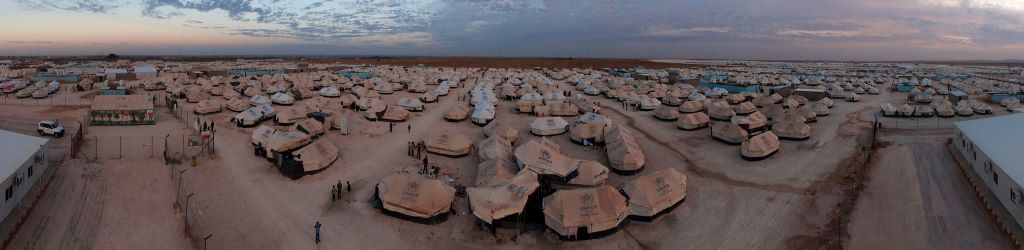
While a portion of refugees resided in formal camps such as Za’atari, a significantly larger number lived outside these camps in urban and rural areas, often without consistent access to humanitarian assistance. These populations faced heightened vulnerability due to limited resources, inadequate shelter, and reduced visibility to aid organizations.
The rapid influx placed substantial strain on Jordan’s infrastructure and economy, contributing to rising tensions between host communities and refugee populations. Employment competition, resource scarcity, and increasing unemployment rates intensified these pressures.
The Syrian refugee crisis in Jordan reveals not only the scale of displacement, but the fragility of protections meant to safeguard those fleeing conflict.”
Gender-Based Vulnerabilities and Exploitation
Among the most concerning aspects of the refugee crisis has been the heightened vulnerability of women and girls. Displacement, economic insecurity, and lack of protection mechanisms have exposed many to exploitation, including forced and early marriage.
Reports indicate that some families, facing extreme hardship, have resorted to marrying off young daughters as a perceived means of economic survival or protection. In other cases, allegations have emerged of transactional arrangements involving significantly older men from abroad.
These practices raise serious concerns under international human rights and humanitarian frameworks, which mandate the protection of refugees—particularly women and children—from exploitation and abuse. The breakdown of social structures and legal safeguards in displacement settings significantly increases these risks.
Deportations and the Principle of Non-Refoulement
Concerns have also emerged regarding the treatment of Syrian refugees within Jordan, particularly allegations of forced returns to Syria. Reports from human rights organizations suggest that hundreds of refugees have been deported, raising questions about compliance with international legal obligations.
Central to this issue is the principle of non-refoulement, which prohibits the return of individuals to a country where they face threats to life or freedom. This principle is codified in Article 33(1) of the 1951 Refugee Convention and is widely regarded as a cornerstone of international refugee law.
Despite official claims that returns have been voluntary, reports of forced deportations, including late-night arrests and transfers to border areas, suggest potential violations of this principle. The distinction between voluntary and involuntary return is critical, particularly in the context of an ongoing armed conflict.
Legal and Economic Pressures
Jordanian authorities have emphasized the need for refugees to comply with national labor laws, requiring proper employment documentation. However, the lack of legal work opportunities for many refugees has pushed individuals into informal labor markets, increasing their risk of exploitation and detention.
Government efforts to enforce labor regulations, including calls for the deportation of undocumented workers, have further complicated the humanitarian landscape. These measures reflect the broader tension between state sovereignty and international protection obligations.
At the same time, international financial assistance has been directed toward supporting Jordan’s response to the crisis. However, restrictions on aid distribution and delays in delivery have limited the effectiveness of these resources, leaving many refugees without adequate support.
Humanitarian Access and Protection Gaps
The combination of limited aid access, economic hardship, and legal uncertainty has created significant protection gaps for Syrian refugees in Jordan. Individuals living outside formal camp settings are particularly at risk, often lacking consistent access to food, healthcare, and protection services.
These conditions contribute to a cycle of vulnerability in which displaced populations face increasing risks of exploitation, abuse, and forced return. The challenges underscore the importance of coordinated international support and adherence to legal frameworks designed to protect refugees.
Atrocity Prevention Lens
The Syrian refugee crisis in Jordan highlights key risk factors associated with mass atrocity environments, including large-scale displacement, systemic vulnerability of civilian populations, and insufficient protection mechanisms. The exploitation of women and children, coupled with potential violations of non-refoulement, signals a broader erosion of safeguards intended to protect those fleeing conflict.
Strengthening prevention efforts requires a dual approach: addressing the root causes of displacement within Syria while simultaneously reinforcing protection frameworks in host countries. Ensuring accountability and expanding humanitarian access are critical components of reducing long-term risk.
Legal Framework
International Refugee Law
The principle of non-refoulement prohibits the return of refugees to territories where their lives or freedoms are at risk. This obligation applies regardless of formal refugee status and is considered binding under customary international law.
Human Rights Protections
International human rights law mandates the protection of refugees from exploitation, discrimination, and abuse. Special protections apply to women and children, particularly in situations of displacement where vulnerability is heightened.
Suggested Citation
Kajs, Lara. “Syrian Refugees in Jordan: Displacement, Protection Risks, and Legal Obligations.” Dispatches from the Field. The Genocide Report, Washington, DC, 10 April 2013.
Photo Credit
Refugee Camp Panoramas: Za’atari Refugee Camp, Jordan by UNHCR Photo – Licensed under CC 2.0
About TGR
The Genocide Report (TGR) publishes analysis and educational resources on conflict, international law, and atrocity prevention. Its work seeks to bridge academic research, field realities, and public understanding of mass violence and civilian protection.
About the Author
Lara Kajs is the founder and executive director of The Genocide Report, a Washington, DC-based educational nonprofit focused on atrocity prevention and international law. She is the author of several field-based books on conflict, displacement, humanitarian crises, and international humanitarian law, drawing on extensive research and field experience in Yemen, Syria, and Afghanistan. Her writing and public speaking focus on atrocity crimes, forced displacement, the protection of civilians, and the legal frameworks governing armed conflict.