By Lara Kajs
Dispatches from the Field—The Genocide Report
Washington, DC — 12 May 2022
The distinction between genocide and war crimes is grounded in legal definitions and evidentiary standards, with intent serving as the central differentiator in determining the scope of atrocity crimes.
In situations of armed conflict, the risk of atrocity crimes—including genocide, war crimes, crimes against humanity, and ethnic cleansing—significantly increases. As the war in Ukraine has unfolded, legal and policy debates have focused on whether documented abuses constitute genocide or fall within the category of war crimes. While these crimes may overlap in practice, their classification under international law depends on distinct legal criteria.
Genocide and the Requirement of Intent
Genocide is defined under international law as acts committed with the specific intent to destroy, in whole or in part, a national, ethnic, racial, or religious group. This definition includes not only killing but also actions such as causing serious bodily or mental harm, preventing births, and forcibly transferring children.
The defining element of genocide is intent. Establishing this intent requires a high evidentiary threshold, often relying on patterns of conduct, official statements, or documented policies that demonstrate a deliberate objective to eliminate a protected group.
The term genocide carries significant legal and political weight, which has contributed to its frequent use in public discourse. However, premature or imprecise application of the term can complicate legal processes and policy responses. Determinations of genocide are typically made following formal investigations, where evidence can be assessed against established legal standards.
All genocide is an atrocity crime, but not all atrocity crimes meet the legal threshold of genocide.”
War Crimes and Violations of International Humanitarian Law
War crimes are serious violations of the laws and customs of war, as codified in international humanitarian law. These crimes can be committed against both civilians and combatants and do not require proof of intent to destroy a protected group.
Examples of war crimes include the deliberate targeting of civilians, attacks on medical facilities, torture, inhumane treatment of prisoners of war, and unlawful deportation. The use of prohibited weapons, including chemical agents and certain types of munitions, also constitutes a violation of international law.
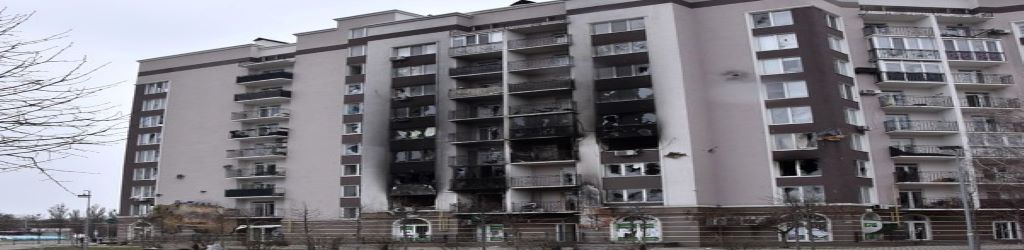
In the context of Ukraine, documented incidents—including attacks on civilian infrastructure, reports of torture and extrajudicial killings, and the use of cluster munitions—align with established definitions of war crimes. These violations are assessed based on conduct rather than the specific intent required for genocide.
International humanitarian law, including the Geneva Conventions and their Additional Protocols, establishes clear protections for civilians and restrictions on methods and means of warfare. Violations of these rules form the legal basis for prosecuting war crimes.
Legal Classification and Political Implications
The classification of atrocity crimes has both legal and political implications. While genocide is often perceived as the gravest of crimes, international law does not rank atrocity crimes hierarchically. War crimes and crimes against humanity carry equal legal significance and can result in comparable accountability measures.
At the same time, the designation of genocide may influence political responses, including calls for intervention or expanded sanctions. This dynamic underscores the importance of applying legal definitions with precision and consistency.
In ongoing conflicts, preliminary assessments may identify patterns consistent with atrocity crimes without reaching definitive legal conclusions. This reflects the need for thorough investigation before formal classification.
Accountability Mechanisms and Institutional Limits
Accountability for genocide and war crimes is pursued through international legal institutions, primarily the International Criminal Court (ICC) and the International Court of Justice (ICJ). These bodies serve distinct but complementary roles.
The ICJ adjudicates disputes between states and may determine whether a state has violated international law, including obligations under the Genocide Convention. In the case of Ukraine, proceedings have been initiated to assess Russia’s actions under international legal frameworks.
The ICC, by contrast, prosecutes individuals responsible for atrocity crimes. Investigations may lead to the issuance of arrest warrants, subject to sufficient evidence and judicial approval. However, the Court relies on state cooperation for enforcement, including the arrest and transfer of suspects.
These mechanisms face structural limitations. The absence of an independent enforcement capacity, combined with the political dynamics of the UN Security Council, can constrain the implementation of accountability measures. In situations involving permanent members of the Security Council, the use of veto power may further limit collective action.
Global Context of Atrocity Crimes
While the conflict in Ukraine has drawn significant international attention, it exists within a broader landscape of ongoing crises. Prolonged conflicts in Yemen, Syria, Myanmar, Afghanistan, and parts of Africa continue to generate large-scale human suffering and displacement.
These contexts highlight the persistent challenges of enforcing international law and ensuring consistent responses to atrocity crimes. Variations in political attention, resource allocation, and strategic interests contribute to uneven accountability across cases.
Sustained engagement, both legal and political, remains essential to addressing atrocity crimes globally and reinforcing the credibility of international norms.
Atrocity Prevention Lens
Distinguishing between genocide and war crimes is critical for early warning and prevention strategies. Patterns of violence targeting civilians, widespread abuses, and systematic violations of international humanitarian law may signal escalating risk, even in the absence of proven genocidal intent. Monitoring these indicators allows policymakers and international actors to respond before violence intensifies. Strengthening documentation efforts, supporting accountability mechanisms, and ensuring timely diplomatic and economic responses are essential components of atrocity prevention.
Legal Framework
Genocide Convention
The Convention on the Prevention and Punishment of the Crime of Genocide defines genocide and establishes the obligation of states to prevent and punish acts committed with the intent to destroy protected groups.
Geneva Conventions and Additional Protocols
These treaties form the foundation of international humanitarian law, outlining protections for civilians, prisoners of war, and the wounded, and prohibiting specific methods of warfare.
Rome Statute of the International Criminal Court
The Rome Statute defines genocide, war crimes, and crimes against humanity and provides the legal basis for prosecuting individuals responsible for these crimes.
International Court of Justice
The ICJ adjudicates disputes between states and interprets obligations under international law, including those related to genocide and state responsibility.
Suggested Citation
Kajs, Lara. “Genocide and War Crimes.” Dispatches from the Field. The Genocide Report, Washington, DC, 12 May 2022.
Photo Credit
“Bucha after Russian invasion (2022-04-06) 22” by АрміяInform / Віталій Саранцев, Роман Драпак is licensed under CC BY 4.0.
About TGR
The Genocide Report (TGR) publishes analysis and educational resources on conflict, international law, and atrocity prevention. Its work seeks to bridge academic research, field realities, and public understanding of mass violence and civilian protection.
About the Author
Lara Kajs is the founder and executive director of The Genocide Report, a Washington, DC-based educational nonprofit focused on atrocity prevention and international law. She is the author of several field-based books on conflict, displacement, humanitarian crises, and international humanitarian law, drawing on extensive research and field experience in Yemen, Syria, and Afghanistan. Her writing and public speaking focus on atrocity crimes, forced displacement, the protection of civilians, and the legal frameworks governing armed conflict.