The protection of civilians is one of the central objectives of modern international law and humanitarian action. While armed conflicts are fought between states, military forces, or organized armed groups, civilians often bear the greatest consequences of violence. Homes, schools, hospitals, markets, and critical infrastructure can become caught in the path of military operations, placing civilian populations at significant risk.
International law recognizes that individuals who are not participating in hostilities must be protected from the effects of war. Over time, a comprehensive legal framework has emerged to establish rules governing the conduct of parties to a conflict and to safeguard civilian populations from unnecessary harm.
Today, civilian protection remains a central concern in international humanitarian law, human rights law, peacekeeping operations, and atrocity prevention efforts. Understanding how these protections developed and how they are applied helps explain one of the most important responsibilities of the international community during times of conflict.
The Evolution of Civilian Protection
Historically, civilians often received little formal protection during warfare. Cities were besieged, populations were displaced, and entire communities could be subjected to violence as armies pursued military objectives.
The devastation of the twentieth century, particularly during the two World Wars, demonstrated the need for stronger legal protections. Civilian populations increasingly became targets of bombing campaigns, forced displacement, persecution, and other forms of violence that extended far beyond traditional battlefields.
In response, the international community expanded legal protections through the Geneva Conventions of 1949 and subsequent treaties. The Fourth Geneva Convention, in particular, established important safeguards for civilians affected by armed conflict and military occupation.
Additional Protocols adopted in 1977 further strengthened protections by addressing the realities of modern warfare and reinforcing obligations toward civilian populations.
These legal developments reflected a growing recognition that civilians should not be treated as participants in conflict simply because they live within areas affected by war.
Civilian Protection Under International Humanitarian Law
International Humanitarian Law provides the primary legal framework governing civilian protection during armed conflict.
At the heart of this framework is the principle of distinction. Parties to a conflict must distinguish between combatants and civilians and may direct attacks only against lawful military objectives. Civilians may not be intentionally targeted because they are not participating in hostilities.
Closely related is the principle of proportionality. Even when attacking a legitimate military objective, parties must ensure that anticipated civilian harm is not excessive in relation to the expected military advantage. This requirement seeks to limit unnecessary suffering and reduce civilian casualties.
International Humanitarian Law also requires parties to take feasible precautions before conducting military operations. Military commanders are expected to verify targets, consider alternative methods of attack, and take steps to minimize harm to civilian populations whenever possible.
Together, these principles form the foundation of modern civilian protection during armed conflict.
Civilians and Civilian Objects
The law protects not only individuals but also many objects that are essential to civilian life.
Homes, schools, hospitals, places of worship, humanitarian facilities, and infrastructure necessary for civilian survival generally enjoy protection under International Humanitarian Law. Attacks directed against these locations may constitute serious violations of the law and, in some circumstances, war crimes.
Special protections also apply to medical personnel, humanitarian workers, journalists, and others performing civilian functions during conflict. Their work is often essential to assisting, documenting violations, and supporting affected populations.
The protection of civilian objects recognizes that the consequences of war extend beyond immediate casualties. Damage to essential services can affect communities long after active hostilities have ended.
Displacement and Civilian Vulnerability
Armed conflict remains one of the leading causes of forced displacement worldwide. As violence escalates, civilians often flee their homes in search of safety, creating refugee and internally displaced person crises that can persist for years or even decades.
International law prohibits the forced displacement of civilian populations except under limited circumstances related to security or imperative military necessity. Even when displacement occurs, civilians retain important legal protections and are entitled to humanitarian assistance.
Displacement frequently increases vulnerability to poverty, exploitation, family separation, trafficking, and other forms of abuse. Women, children, older persons, and individuals with disabilities often face heightened risks during periods of displacement and instability.
Protecting civilians, therefore, requires not only reducing direct harm during hostilities but also addressing the broader humanitarian consequences of conflict.
Contemporary Challenges to Civilian Protection
Despite the existence of extensive legal protections, civilians continue to face significant risks in modern conflicts.
Many contemporary wars take place in densely populated urban environments where military operations occur in proximity to civilian communities. This increases the likelihood of civilian casualties and damage to infrastructure essential for daily life.
The involvement of multiple armed actors, including non-state armed groups, can further complicate efforts to ensure compliance with international law. In some conflicts, civilians may face threats from several parties simultaneously.
Emerging technologies, including cyber operations, autonomous weapons systems, and artificial intelligence, have introduced new questions regarding civilian protection and the application of existing legal frameworks.
Humanitarian access also remains a persistent challenge. In many conflicts, aid organizations encounter restrictions that limit their ability to deliver life-saving assistance to affected populations.
These developments demonstrate the continuing importance of strengthening compliance with international law and adapting protection efforts to evolving forms of warfare.
The Role of International Organizations
A range of international organizations contribute to civilian protection during armed conflict.
The International Committee of the Red Cross plays a unique role in promoting compliance with International Humanitarian Law, visiting detainees, supporting humanitarian operations, and assisting victims of conflict.
United Nations agencies, humanitarian organizations, and peacekeeping missions frequently work to protect vulnerable populations, monitor violations, facilitate humanitarian access, and support conflict-affected communities.
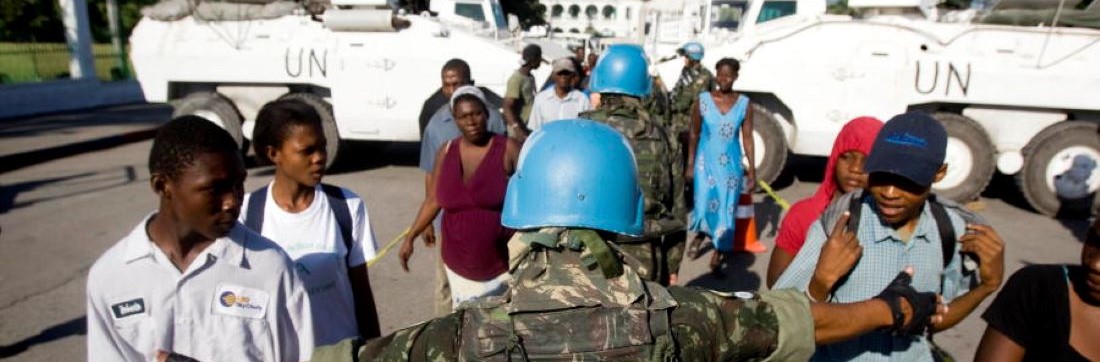
In some situations, United Nations peacekeeping missions receive explicit mandates to protect civilians facing threats of physical violence. These mandates reflect the growing recognition that civilian protection is a critical component of international peace and security.
While responsibilities vary among institutions, cooperation between humanitarian, legal, and diplomatic actors remains essential to effective civilian protection.
Civilian Protection and Atrocity Prevention
The protection of civilians is closely linked to atrocity prevention. Many of the gravest international crimes—including war crimes, crimes against humanity, ethnic cleansing, and genocide—are characterized by deliberate or widespread attacks against civilian populations.
Patterns of violence directed toward civilians often serve as warning signs of escalating atrocity risks. Indiscriminate attacks, forced displacement, persecution, starvation, and the destruction of civilian infrastructure can indicate broader campaigns of abuse and violence.
Monitoring threats to civilians helps governments, international organizations, and civil society identify emerging crises and assess risks before atrocities escalate further.
Efforts to strengthen civilian protection, therefore, serve both humanitarian and preventive purposes. Reducing civilian harm, promoting accountability, and reinforcing respect for international law contribute to broader efforts to prevent mass atrocities and protect vulnerable populations.
Civilian protection lies at the heart of modern International Humanitarian Law and remains one of the most important objectives of the international legal system during armed conflict. Through the Geneva Conventions, human rights law, and related legal frameworks, the international community has established rules intended to safeguard civilians from the worst effects of war.
While contemporary conflicts continue to present significant challenges, these protections remain essential tools for reducing suffering, promoting accountability, and preserving human dignity. Understanding the principles of civilian protection helps illuminate both the legal responsibilities of parties to conflict and the broader importance of protecting vulnerable populations during times of violence.
Related International Law Resources
• Geneva Conventions
• Additional Protocol I
• Rome Statute
• United Nations Charter
• International Humanitarian Law Explained
Photo Credit
UN Peacekeepers Distribute Water and Food in Haiti by United Nations Photos. Licensed under CC BY-NC-ND 2.0.