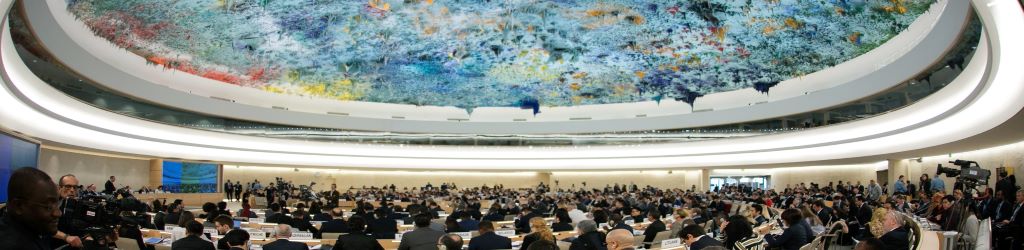
Disengagement from imperfect institutions may signal protest—but it also forfeits the ability to shape outcomes from within.”
Author:
Ethnic Cleansing in Myanmar: State Violence and the Rohingya Crisis
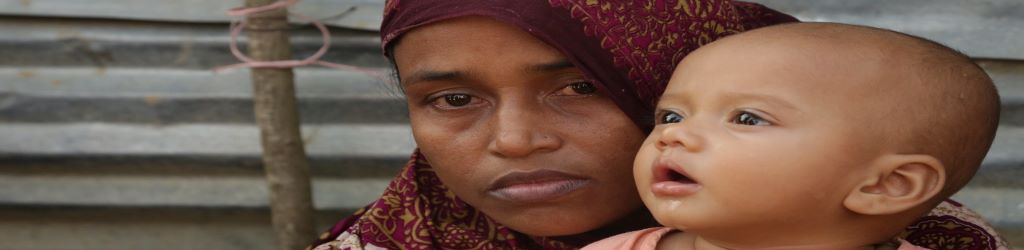
The scale and systematic nature of violence against the Rohingya signals not only ethnic cleansing, but the potential commission of atrocity crimes requiring urgent international response.”
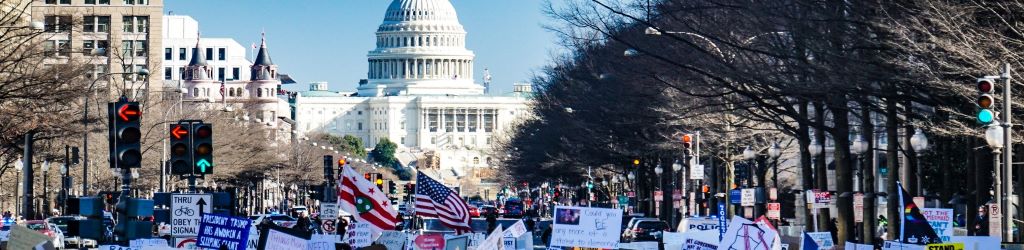
The Refugee Ban: U.S. Policy, Security Narratives, and the Erosion of Protection Norms
Dadaab Refugee Camp: Kenya’s Closure Threats and the Persistence of Protracted Displacement
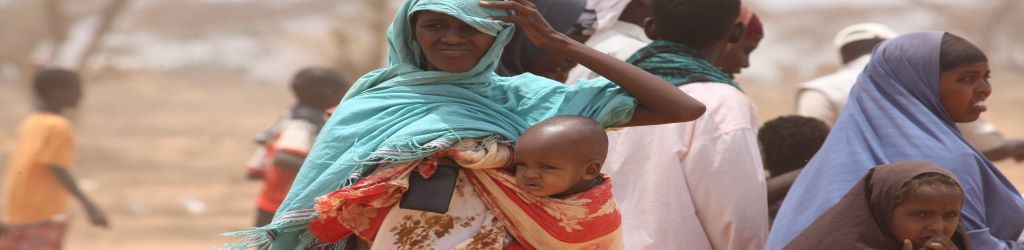
Efforts to dismantle long-standing refugee settlements without viable alternatives risk triggering renewed displacement, instability, and potential violations of international law.”
Absconding from Justice: Omar al-Bashir, ICC Warrants, and the Limits of Enforcement
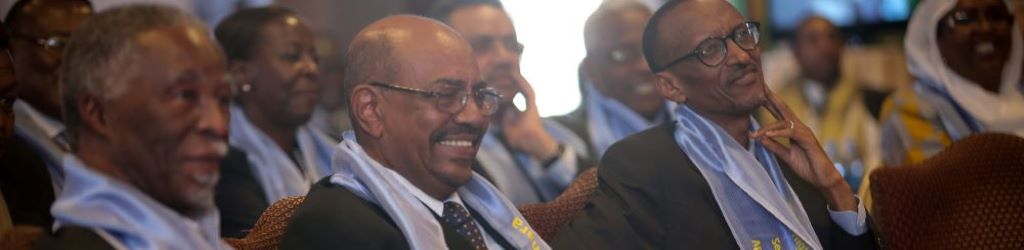
The failure to execute ICC arrest warrants against sitting heads of state exposes structural weaknesses in international accountability mechanisms and risks entrenching impunity.”
Realpolitik and International Refugee Law: The EU–Turkey Deal and the Erosion of Asylum Protections
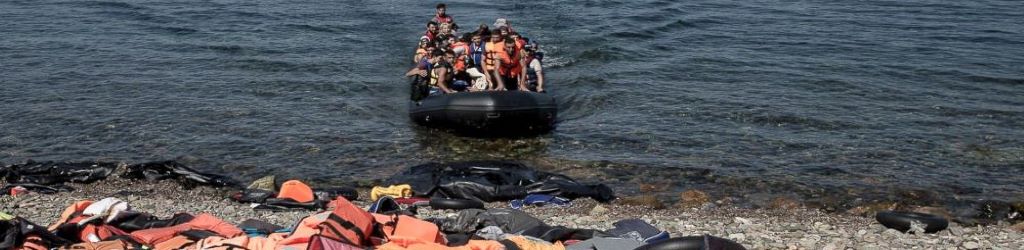
When migration control policies override legal protections, the right to seek asylum risks becoming conditional rather than guaranteed.”
The Need for Humanitarian Response
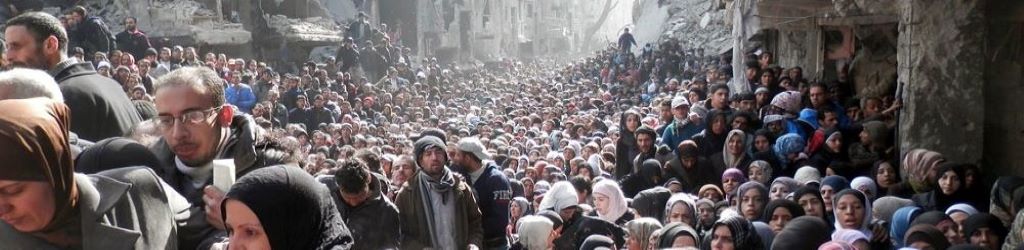
The global refugee crisis is no longer localized—it is a systemic challenge that demands comprehensive humanitarian coordination and sustained political commitment.”
Return to Burj, Lebanon: Conditions in Burj el-Barajneh and the Strain of Protracted Displacement
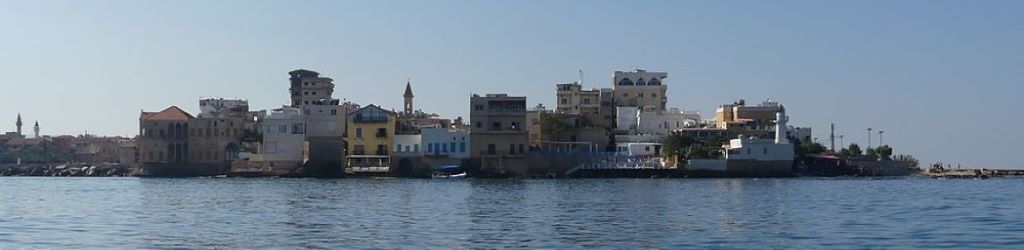
Overcrowding, inadequate infrastructure, and limited access to basic services have transformed refugee camps into sites of prolonged vulnerability rather than temporary refuge.”
Sexual Violence in the Democratic Republic of the Congo: Impunity and the Use of Rape in Conflict

The statistics are heartbreaking. In the last 365 days, more than 500,000 women between the ages of 12 and 70 have been raped in the DR Congo. To put this in simple terms, rape is so prevalent in the Democratic Republic of Congo, that in the next five minutes, five more women will be raped.”
South Sudan’s Bittersweet Birthday: Independence Overshadowed by Conflict, Atrocity, and Humanitarian Collapse
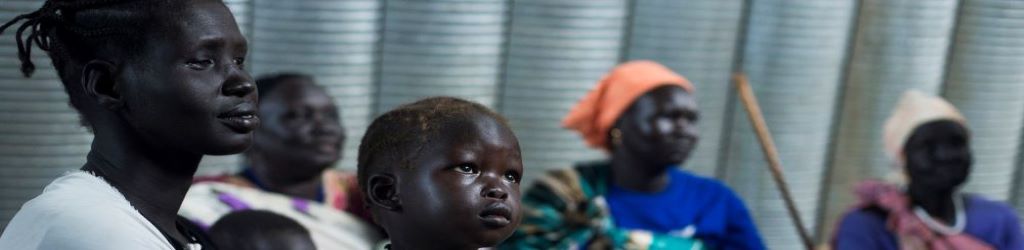
Independence brought hope to South Sudan, but unresolved political divisions and unchecked violence have transformed celebration into crisis.”