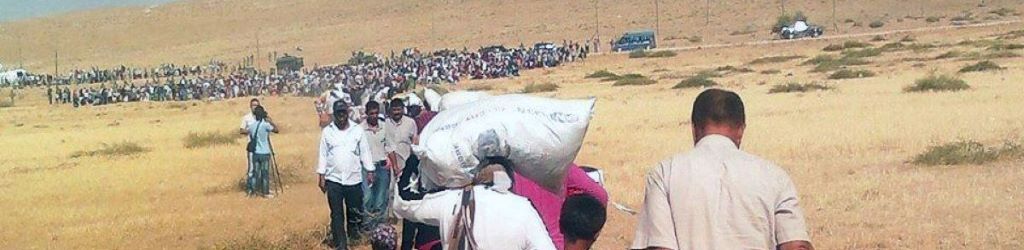
Military escalation framed as counterterrorism risks normalizing civilian harm and eroding international standards designed to protect populations in conflict.”
Category: Conflict Analysis
“We Cannot Be Broken” Historical Memory, Starvation Tactics, and Russia’s War on Ukraine

From engineered famine to weaponized infrastructure, the continuity lies in targeting the means of civilian survival.”
Ukraine’s Most Vulnerable: Civilian Risk, Systemic Strain, and the Expanding Humanitarian Impact of War

In modern conflict, vulnerability is not incidental—it is structured by who cannot flee, who cannot access care, and who remains exposed to sustained violence.”
A Year of Taliban Rule: Repression, Economic Collapse, and Renewed Security Threats in Afghanistan

A year of Taliban rule has not marked a transition—it has marked a reversion.”
Hiroshima: An Argument for NPT- Memory, Risk, and the Fragility of Nuclear Restraint

Deterrence has prevented use—but it has not eliminated risk.”
Afghanistan’s Economic Crisis: Sanctions, Financial Isolation, and the Collapse of State Function

Economic isolation has not only constrained governance—it has transferred the cost of political decisions directly onto the civilian population.”
Breakdown of Rule of Law in Myanmar: Military Coup, State Violence, and the Erosion of Democratic Institutions

The breakdown of rule of law in Myanmar reflects not only a seizure of power, but the institutionalization of violence as a tool of governance.”
Protection of Civilians: International Humanitarian Law and the Limits of Protection in Modern Conflict
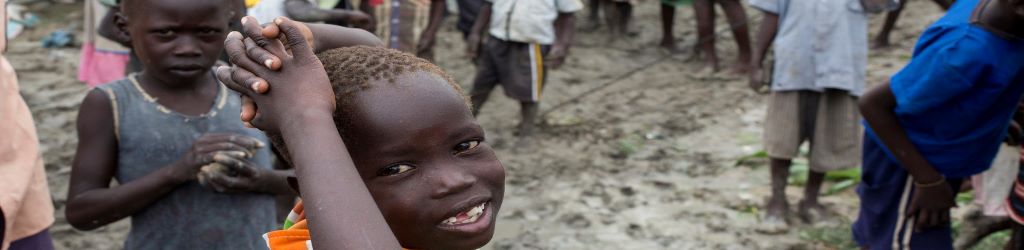
The protection of civilians is not a conceptual ideal—it is a legal obligation repeatedly tested, and too often undermined, in modern conflict.”
Conflict and Famine: Starvation as a Weapon of War

Starvation in conflict is not simply a humanitarian crisis—it is often the result of deliberate policy choices designed to control populations and weaken opposition.”
Yemen’s Humanitarian Crisis: Conflict, Civilian Harm, and the Collapse of Essential Systems
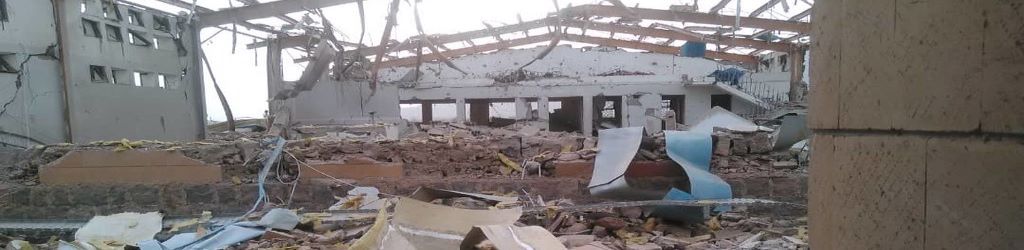
In Yemen, civilian suffering is not incidental—it is the cumulative result of prolonged conflict, institutional breakdown, and constraints on humanitarian access.”