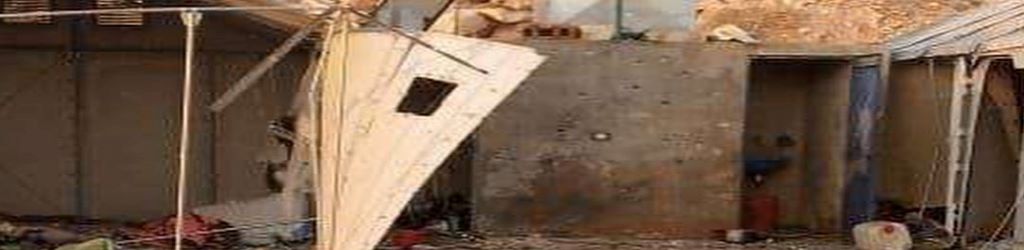
When displacement sites become targets, the distinction between battlefield and civilian space collapses, undermining the core protections of international humanitarian law.”
Tag: Civilian Protection
Ukraine’s Most Vulnerable: Civilian Risk, Systemic Strain, and the Expanding Humanitarian Impact of War

In modern conflict, vulnerability is not incidental—it is structured by who cannot flee, who cannot access care, and who remains exposed to sustained violence.”
Peace Between Gaza-Israel: Fragile Ceasefire, Civilian Risk, and the Structural Drivers of Recurrent Conflict
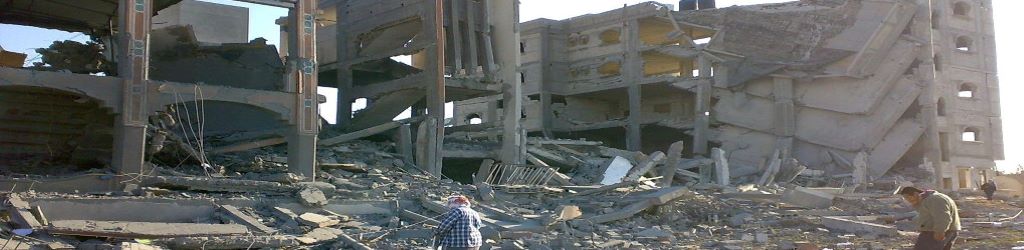
Ceasefires in Gaza reduce immediate violence, but without structural change, they function as pauses—not resolutions—in a recurring cycle of conflict.”
A Year of Taliban Rule: Repression, Economic Collapse, and Renewed Security Threats in Afghanistan

A year of Taliban rule has not marked a transition—it has marked a reversion.”
Statelessness: Legal Identity, Structural Exclusion, and the Limits of Protection

Saudi Zero-Tolerance: State Control, Legal Restrictions, and the Suppression of Dissent
In Saudi Arabia, release from detention often marks a transition to restricted freedom rather than a restoration of rights.”
Bashar al-Assad’s Syria: State Violence, Protracted Conflict, and the Limits of Resolution
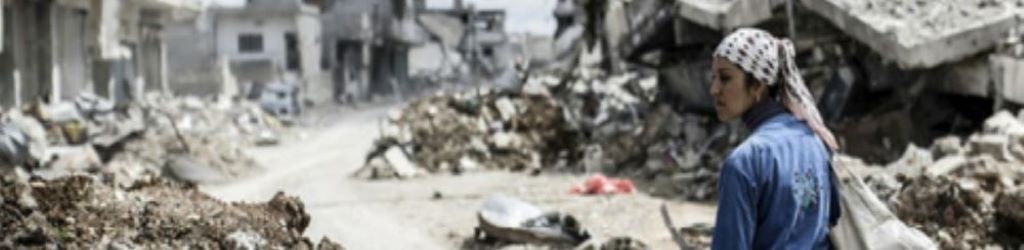
What began as a domestic uprising evolved into a protracted conflict sustained by external support, fragmented opposition, and limited diplomatic leverage.”
Breakdown of Rule of Law in Myanmar: Military Coup, State Violence, and the Erosion of Democratic Institutions
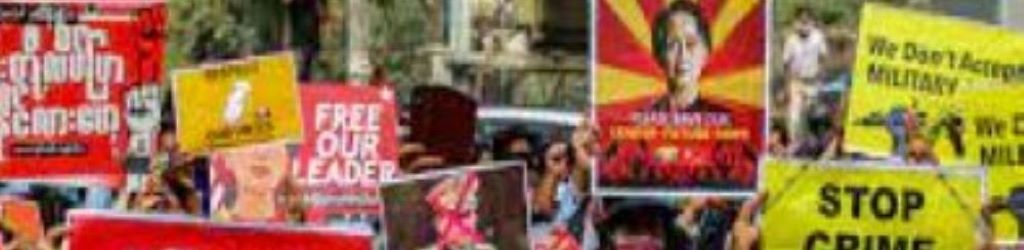
The breakdown of rule of law in Myanmar reflects not only a seizure of power, but the institutionalization of violence as a tool of governance.”
A Coup in Myanmar: Democratic Breakdown and Early Indicators of Atrocity Risk
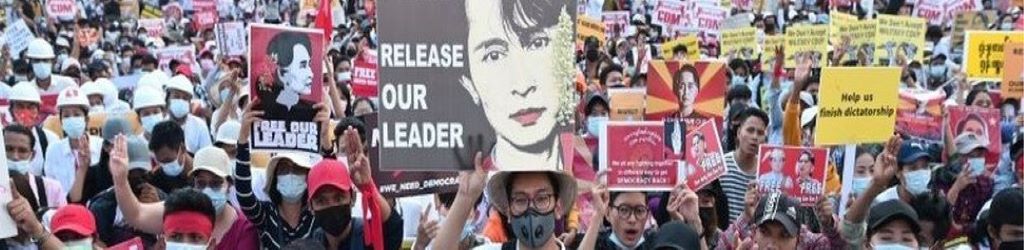
Protection of Civilians: International Humanitarian Law and the Limits of Protection in Modern Conflict
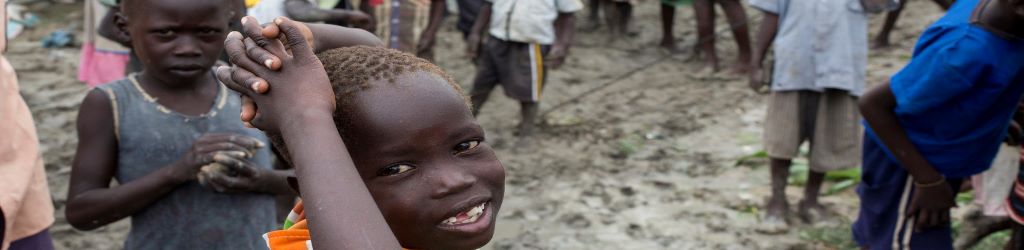
The protection of civilians is not a conceptual ideal—it is a legal obligation repeatedly tested, and too often undermined, in modern conflict.”