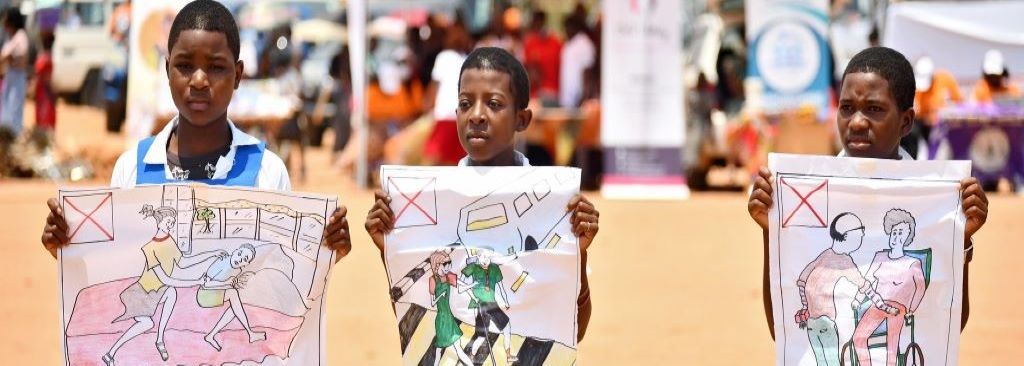
Human trafficking in Malawi is sustained not only by criminal networks, but by systemic vulnerabilities that leave victims unprotected and perpetrators largely unaccountable.”
Tag: Civilian Protection
Global Displacement: Scale, Protection Gaps, and the Limits of International Response
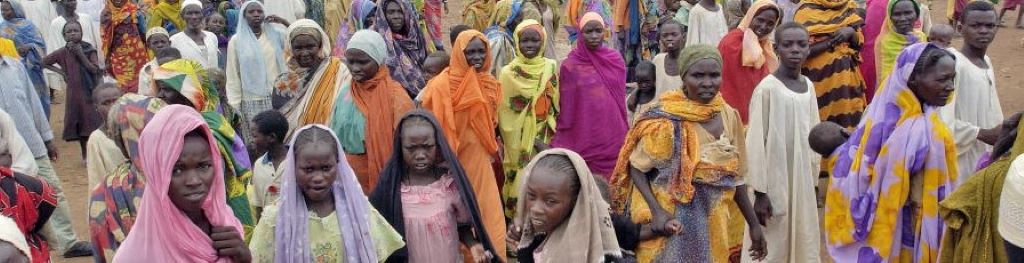
Global displacement is no longer a temporary humanitarian emergency; it is a prolonged condition shaping the security, stability, and future of entire regions.”
Sudan Is Unraveling: Armed Conflict, Humanitarian Collapse, and Renewed Atrocity Risk
Sudan’s conflict has moved beyond political struggle into a pattern of violence and deprivation that places millions of civilians at immediate risk.”
From Dictatorship to Conflict: Sudan’s Escalating Crisis
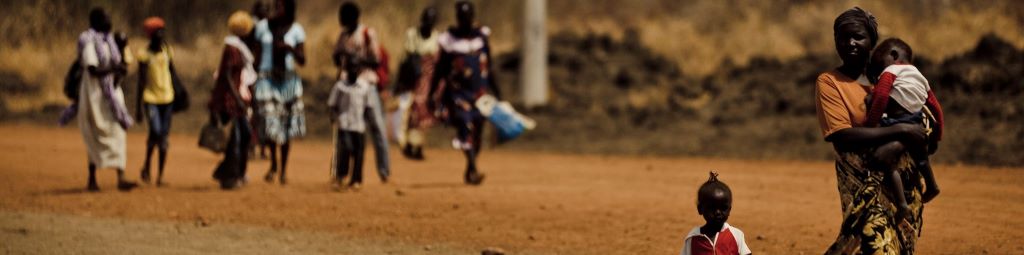
Sudan has shifted from dictatorship to conflict, with civilians increasingly caught in the crossfire of competing military factions.”
The Crisis in Yemen: Humanitarian Collapse Amid Protracted Conflict
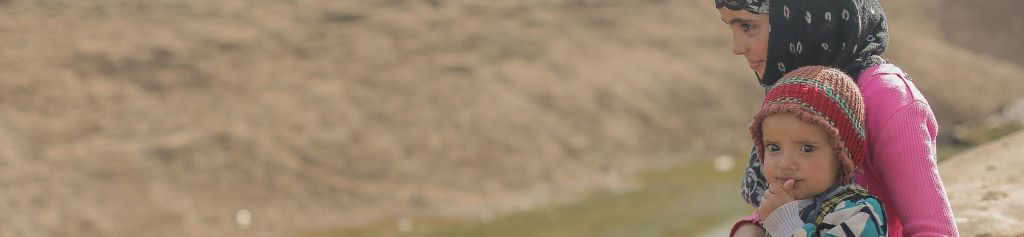
In Yemen, conflict is not only measured in violence, but in the slow erosion of survival—hunger, disease, and the collapse of basic human dignity.”
Crisis in Afghanistan: Rights, Collapse, and Humanitarian Emergency
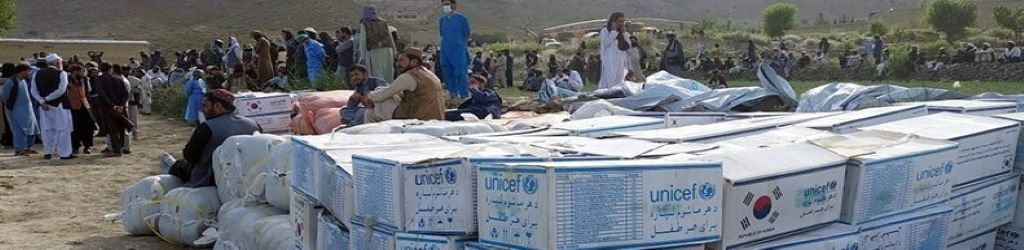
The crisis in Afghanistan is defined not only by economic collapse, but by the systematic erasure of women and girls from public life.”
War in Ukraine: One Year of Conflict, Displacement and Global Consequences
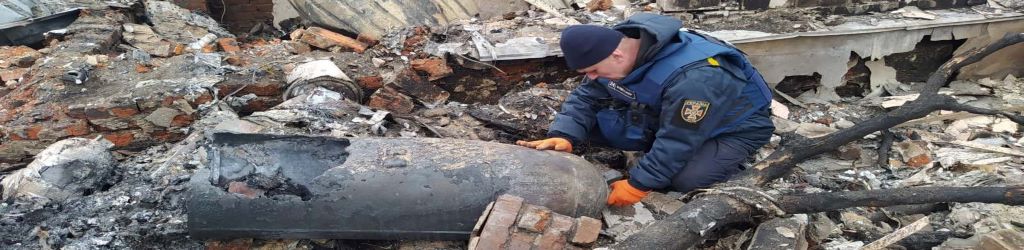
Ukraine’s citizens and military forces have demonstrated extraordinary resilience, holding their ground despite the relentless assault on civilians and infrastructure.”
Resolutions and Investigations for Myanmar: Accountability, Evidence, and the Limits of International Action
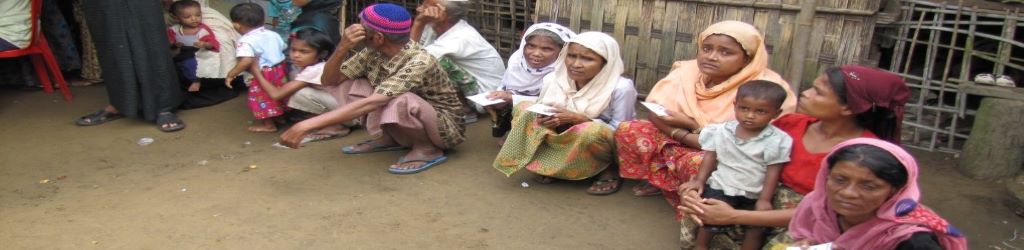
Without enforcement, international resolutions risk becoming symbolic gestures in the face of systematic atrocity crimes.”
Türkiye’s Aggression in Northern Syria and Iraq: Escalation, Civilian Harm, and the Limits of Allied Accountability
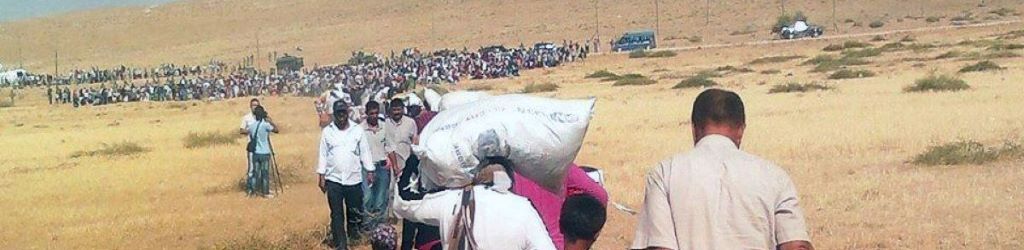
Military escalation framed as counterterrorism risks normalizing civilian harm and eroding international standards designed to protect populations in conflict.”
“We Cannot Be Broken” Historical Memory, Starvation Tactics, and Russia’s War on Ukraine

From engineered famine to weaponized infrastructure, the continuity lies in targeting the means of civilian survival.”