
Forced disappearance functions not only as a method of repression, but as a systemic tool to instill fear, dismantle dissent, and operate beyond the reach of law.”
Tag: Civilian Protection
Sudan Conflict

The scale and pattern of abuses in Sudan raise urgent concerns under international humanitarian and human rights law, including the risk of further mass atrocity crimes.”
The Cost of War in Gaza: Destruction of Al Quds Hospital and the Human Impact of Ongoing Conflict

The methods employed in Gaza, including obstruction of aid and attacks on civilian infrastructure, demonstrate systematic violations of international law with profound human consequences.”
On the Ground in Gaza

Everywhere you turn, there is evidence of death.” — Chad Thornson, TGR Deputy Director
Delivering Lifesaving Aid into Gaza: Humanitarian Access, Civilian Risk, and the Collapse of Aid Delivery Systems

Humanitarian workers are not combatants, yet they are increasingly among the casualties of this conflict.”
Genocide in Gaza: Legal Thresholds, Evidence, and the Escalating Risk of Mass Atrocity

Famine and Atrocities in Sudan: War, Starvation, and Civilian Targeting Across a Collapsing State
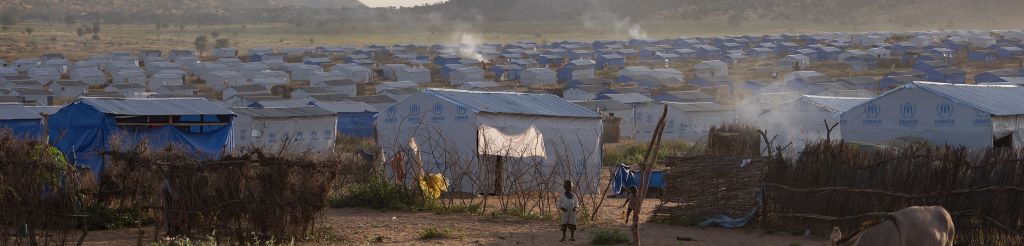
Without more resources, we will not be able to prevent a famine.” —OCHA Representative in Sudan
UNRWA: Lifeline for Relief in Gaza—Humanitarian Access, Political Pressure, and the Risks of Aid Disruption in Active Conflict

UNRWA is not simply an aid provider—it is the backbone of humanitarian survival for millions of Palestinian refugees.”
Israel-Hamas Conflict: Civilian Protection and Legal Boundaries in Armed Conflict

Self-defense does not absolve any party—state or non-state—from compliance with international humanitarian law.”
Ukraine’s Children: Deportation, Civilian Targeting, and the Erosion of International Norms

Ukraine’s children have become central to the conflict—not only as victims of war, but as targets of policies that risk permanently severing identity, family structures, and national continuity.”