
The unlawful transfer of children in Ukraine is not only a war crime—it may represent one of the clearest pathways toward establishing genocidal intent.”
Category: International Humanitarian Law
Resolutions and Investigations for Myanmar: Accountability, Evidence, and the Limits of International Action
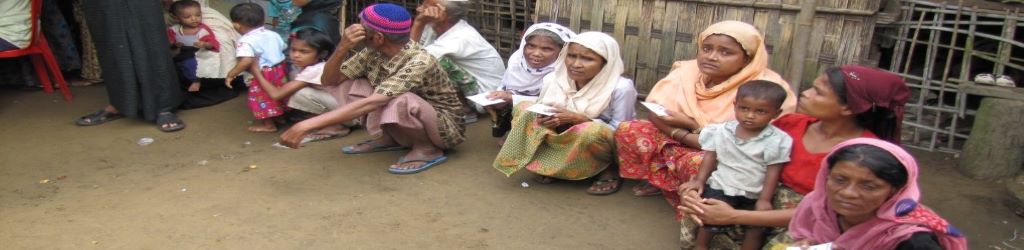
Without enforcement, international resolutions risk becoming symbolic gestures in the face of systematic atrocity crimes.”
Türkiye’s Aggression in Northern Syria and Iraq: Escalation, Civilian Harm, and the Limits of Allied Accountability
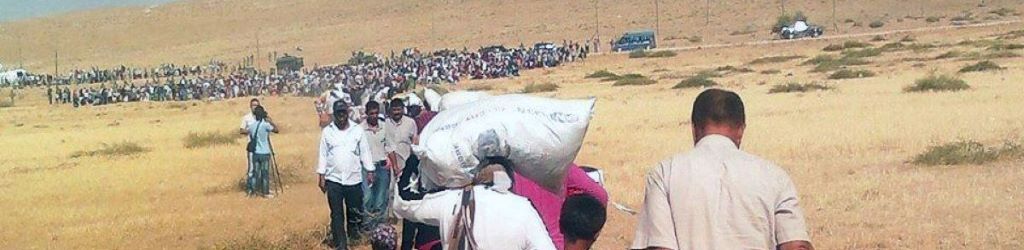
Military escalation framed as counterterrorism risks normalizing civilian harm and eroding international standards designed to protect populations in conflict.”
“We Cannot Be Broken” Historical Memory, Starvation Tactics, and Russia’s War on Ukraine

From engineered famine to weaponized infrastructure, the continuity lies in targeting the means of civilian survival.”
IDP Camp Attack in Syria: Civilian Targeting, Escalation Risks, and the Fragility of Protection Frameworks

When displacement sites become targets, the distinction between battlefield and civilian space collapses, undermining the core protections of international humanitarian law.”
Peace Between Gaza-Israel: Fragile Ceasefire, Civilian Risk, and the Structural Drivers of Recurrent Conflict
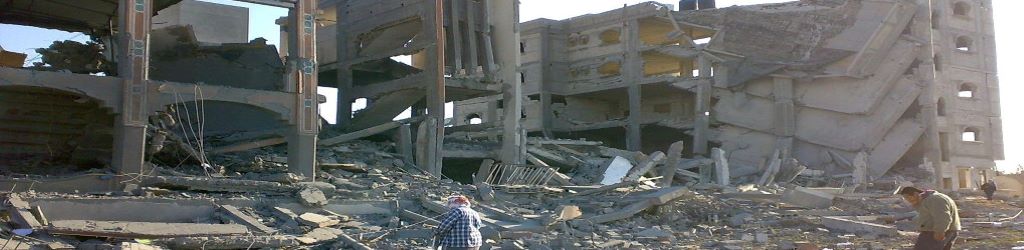
Ceasefires in Gaza reduce immediate violence, but without structural change, they function as pauses—not resolutions—in a recurring cycle of conflict.”
International Sanctions – Coercive Policy Tools and the Limits of Enforcement
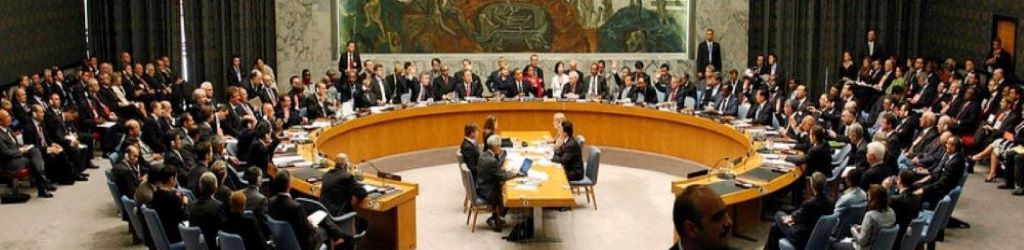
Sanctions signal international condemnation—but their success depends on enforcement, coordination, and political will.”
Genocide and War Crimes – Legal Distinctions, Evidentiary Standards, and Accountability in Conflict

All genocide is an atrocity crime, but not all atrocity crimes meet the legal threshold of genocide.”
Saudi Zero-Tolerance: State Control, Legal Restrictions, and the Suppression of Dissent
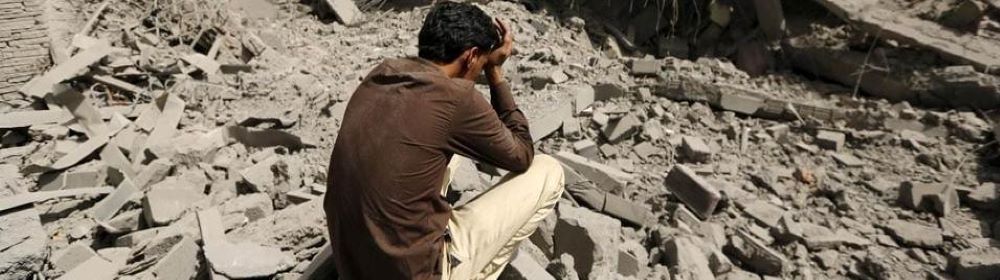
In Saudi Arabia, release from detention often marks a transition to restricted freedom rather than a restoration of rights.”
Protection of Civilians: International Humanitarian Law and the Limits of Protection in Modern Conflict

The protection of civilians is not a conceptual ideal—it is a legal obligation repeatedly tested, and too often undermined, in modern conflict.”