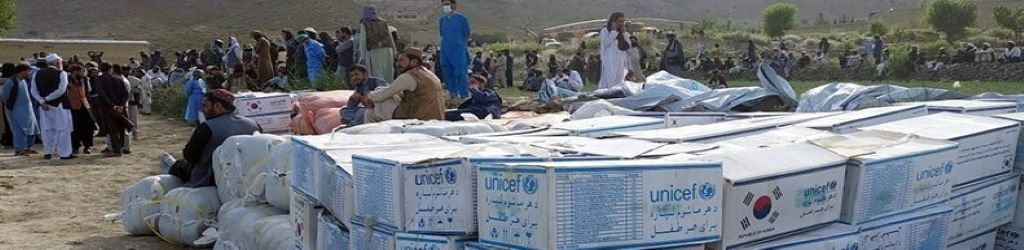
The crisis in Afghanistan is defined not only by economic collapse, but by the systematic erasure of women and girls from public life.”
Tag: Forced Displacement
Crisis in the Horn of Africa: Conflict, Climate, and Compounding Vulnerabilities
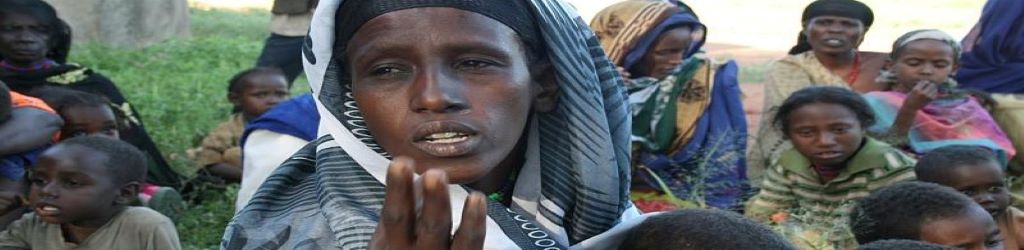
In the Horn of Africa, climate stress and armed conflict are not separate crises—they are mutually reinforcing drivers of instability and mass suffering.”
War in Ukraine: One Year of Conflict, Displacement and Global Consequences
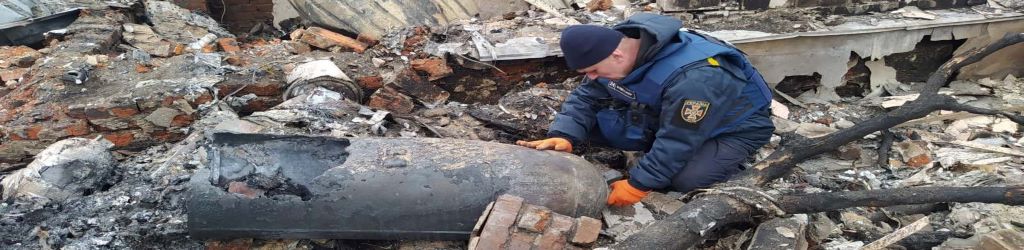
Ukraine’s citizens and military forces have demonstrated extraordinary resilience, holding their ground despite the relentless assault on civilians and infrastructure.”
Türkiye’s Aggression in Northern Syria and Iraq: Escalation, Civilian Harm, and the Limits of Allied Accountability
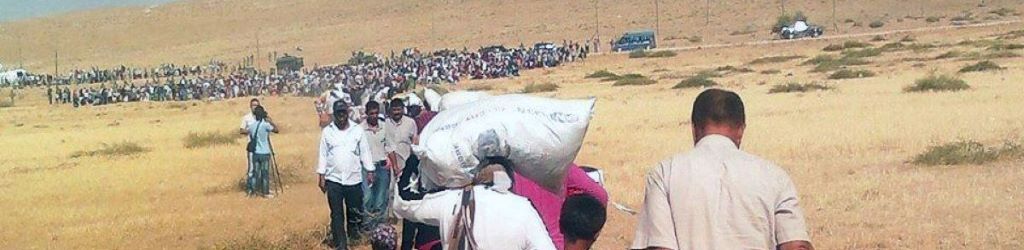
Military escalation framed as counterterrorism risks normalizing civilian harm and eroding international standards designed to protect populations in conflict.”
“We Cannot Be Broken” Historical Memory, Starvation Tactics, and Russia’s War on Ukraine

From engineered famine to weaponized infrastructure, the continuity lies in targeting the means of civilian survival.”
IDP Camp Attack in Syria: Civilian Targeting, Escalation Risks, and the Fragility of Protection Frameworks
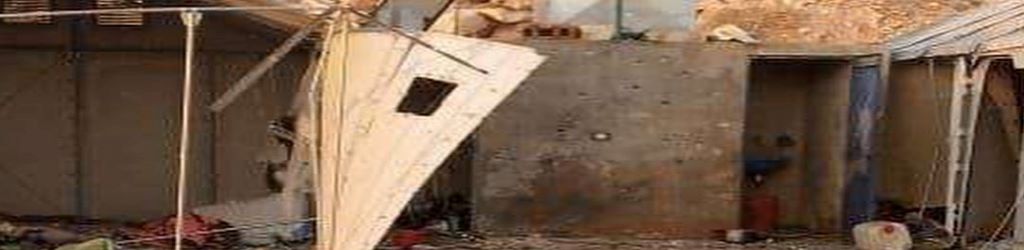
When displacement sites become targets, the distinction between battlefield and civilian space collapses, undermining the core protections of international humanitarian law.”
Ukraine’s Most Vulnerable: Civilian Risk, Systemic Strain, and the Expanding Humanitarian Impact of War

In modern conflict, vulnerability is not incidental—it is structured by who cannot flee, who cannot access care, and who remains exposed to sustained violence.”
Peace Between Gaza-Israel: Fragile Ceasefire, Civilian Risk, and the Structural Drivers of Recurrent Conflict
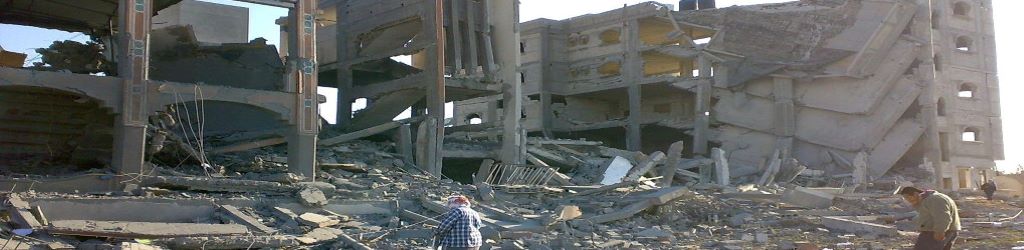
Ceasefires in Gaza reduce immediate violence, but without structural change, they function as pauses—not resolutions—in a recurring cycle of conflict.”
South Sudan’s Forgotten Conflict: Fragile Peace, Governance Failures, and Persistent Atrocity Risk
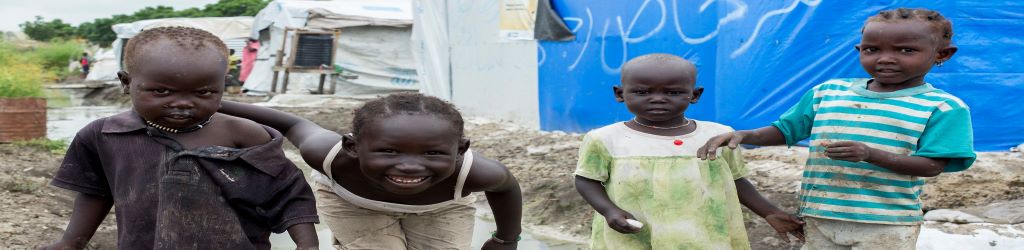
A peace agreement without implementation does not end conflict—it institutionalizes instability and prolongs civilian suffering.”
A Year of Taliban Rule: Repression, Economic Collapse, and Renewed Security Threats in Afghanistan

A year of Taliban rule has not marked a transition—it has marked a reversion.”