
Everywhere you turn, there is evidence of death.” — Chad Thornson, TGR Deputy Director
Tag: Forced Displacement
Delivering Lifesaving Aid into Gaza: Humanitarian Access, Civilian Risk, and the Collapse of Aid Delivery Systems

Humanitarian workers are not combatants, yet they are increasingly among the casualties of this conflict.”
Israel-Hamas Conflict: Civilian Protection and Legal Boundaries in Armed Conflict

Self-defense does not absolve any party—state or non-state—from compliance with international humanitarian law.”
Ukraine’s Children: Deportation, Civilian Targeting, and the Erosion of International Norms

Ukraine’s children have become central to the conflict—not only as victims of war, but as targets of policies that risk permanently severing identity, family structures, and national continuity.”
Human Trafficking in Malawi: Structural Vulnerabilities, Legal Gaps, and Protection Challenges
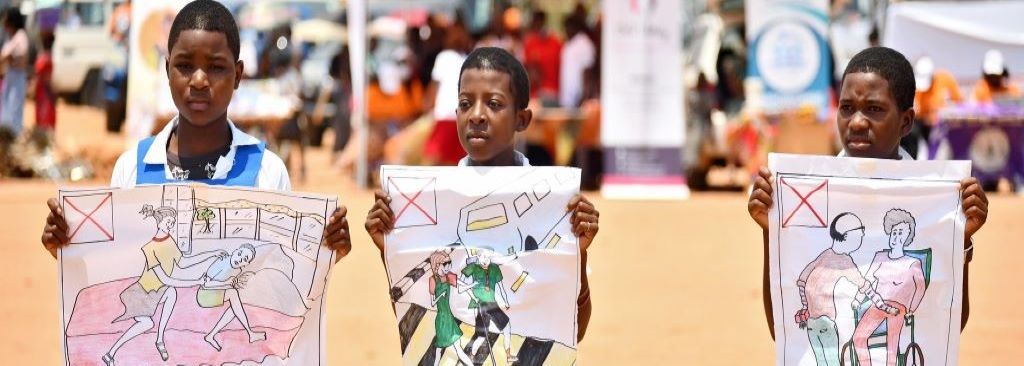
Human trafficking in Malawi is sustained not only by criminal networks, but by systemic vulnerabilities that leave victims unprotected and perpetrators largely unaccountable.”
Global Displacement: Scale, Protection Gaps, and the Limits of International Response
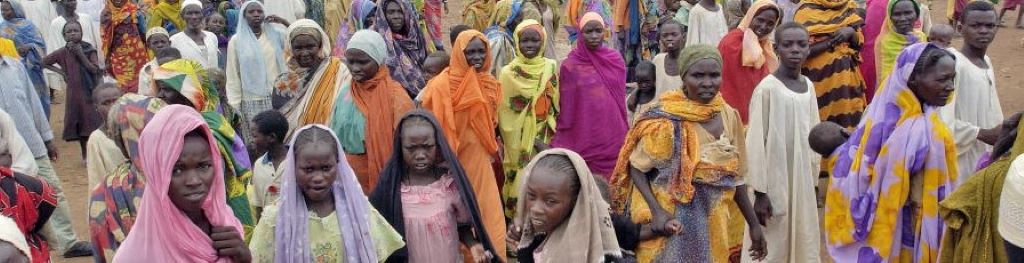
Global displacement is no longer a temporary humanitarian emergency; it is a prolonged condition shaping the security, stability, and future of entire regions.”
Sudan Is Unraveling: Armed Conflict, Humanitarian Collapse, and Renewed Atrocity Risk
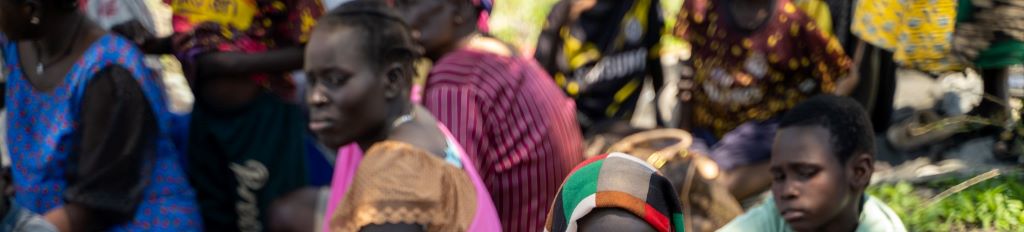
Sudan’s conflict has moved beyond political struggle into a pattern of violence and deprivation that places millions of civilians at immediate risk.”
Afghan Adjustment Act and U.S. Obligations to Afghan Allies

Legal pathways without safe extraction mechanisms leave thousands of Afghan allies in the same danger the legislation seeks to resolve.”
Asylum is a Fundamental Human Right: Legal Protections and Contemporary Challenges

The Crisis in Yemen: Humanitarian Collapse Amid Protracted Conflict
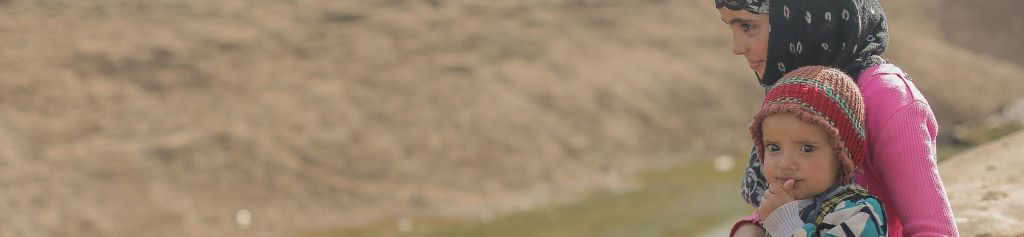
In Yemen, conflict is not only measured in violence, but in the slow erosion of survival—hunger, disease, and the collapse of basic human dignity.”