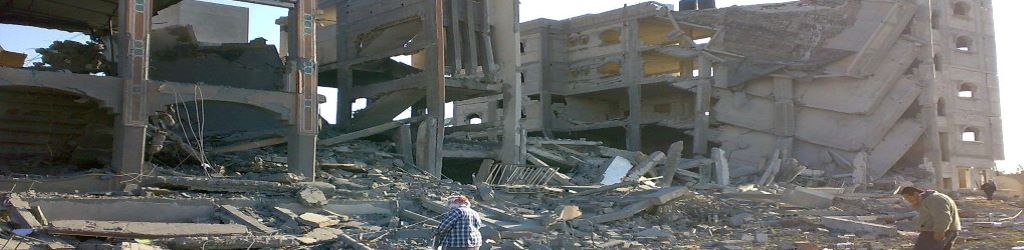
Ceasefires in Gaza reduce immediate violence, but without structural change, they function as pauses—not resolutions—in a recurring cycle of conflict.”
Tag: Forced Displacement
South Sudan’s Forgotten Conflict: Fragile Peace, Governance Failures, and Persistent Atrocity Risk
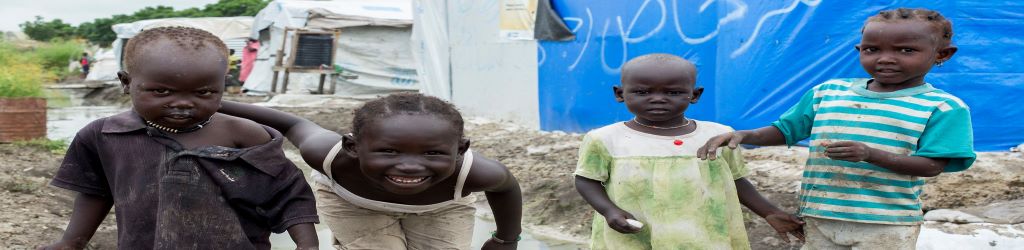
A peace agreement without implementation does not end conflict—it institutionalizes instability and prolongs civilian suffering.”
A Year of Taliban Rule: Repression, Economic Collapse, and Renewed Security Threats in Afghanistan

A year of Taliban rule has not marked a transition—it has marked a reversion.”
Afghanistan’s Economic Crisis: Sanctions, Financial Isolation, and the Collapse of State Function

Economic isolation has not only constrained governance—it has transferred the cost of political decisions directly onto the civilian population.”
Statelessness: Legal Identity, Structural Exclusion, and the Limits of Protection
Bashar al-Assad’s Syria: State Violence, Protracted Conflict, and the Limits of Resolution
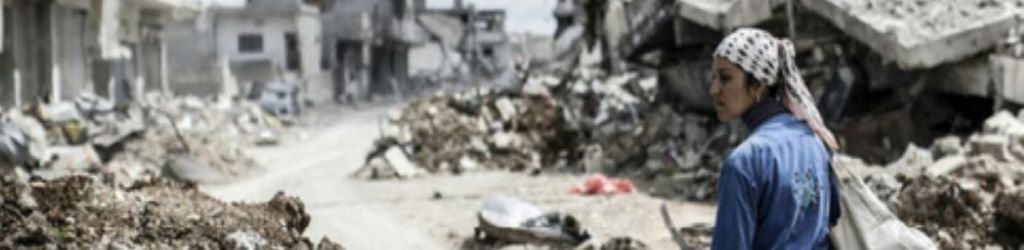
What began as a domestic uprising evolved into a protracted conflict sustained by external support, fragmented opposition, and limited diplomatic leverage.”
Breakdown of Rule of Law in Myanmar: Military Coup, State Violence, and the Erosion of Democratic Institutions
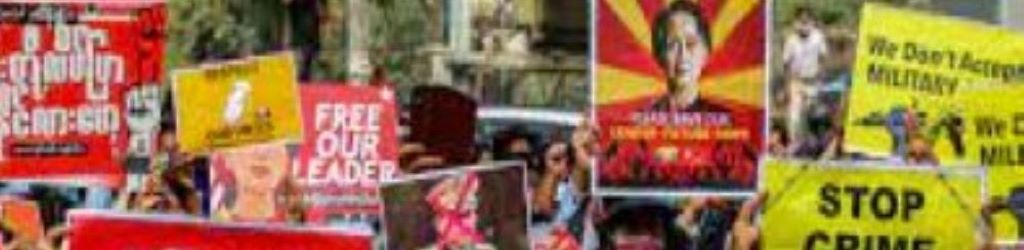
The breakdown of rule of law in Myanmar reflects not only a seizure of power, but the institutionalization of violence as a tool of governance.”
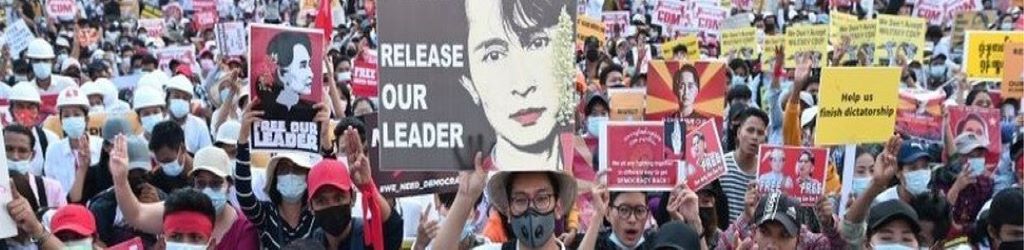
A Coup in Myanmar: Democratic Breakdown and Early Indicators of Atrocity Risk
Conflict and Famine: Starvation as a Weapon of War

Starvation in conflict is not simply a humanitarian crisis—it is often the result of deliberate policy choices designed to control populations and weaken opposition.”
Yemen’s Humanitarian Crisis: Conflict, Civilian Harm, and the Collapse of Essential Systems
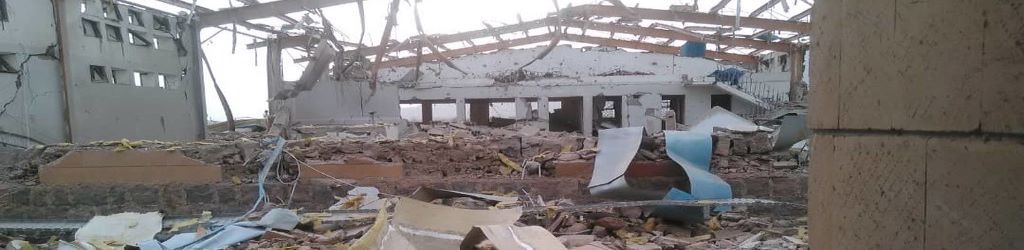
In Yemen, civilian suffering is not incidental—it is the cumulative result of prolonged conflict, institutional breakdown, and constraints on humanitarian access.”