
In the Horn of Africa, climate stress and armed conflict are not separate crises—they are mutually reinforcing drivers of instability and mass suffering.”
Tag: Crimes Against Humanity
War in Ukraine: One Year of Conflict, Displacement and Global Consequences
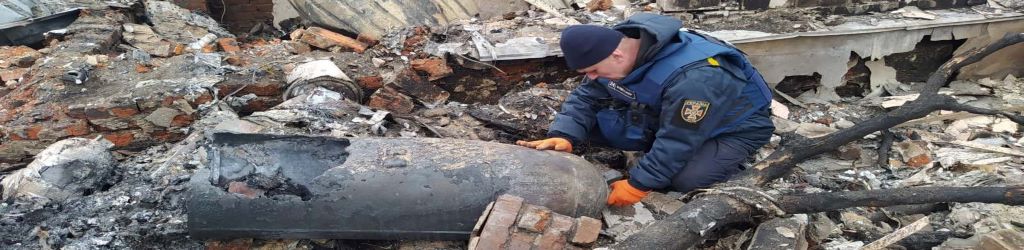
Ukraine’s citizens and military forces have demonstrated extraordinary resilience, holding their ground despite the relentless assault on civilians and infrastructure.”
Human Rights on Hold: How Global Indifference to Violations Fuels Instability
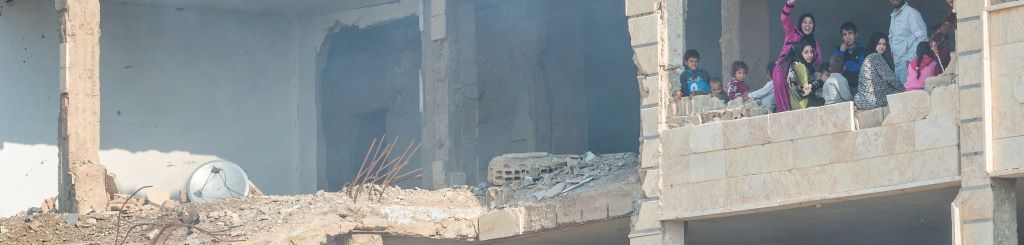
Resolutions and Investigations for Myanmar: Accountability, Evidence, and the Limits of International Action
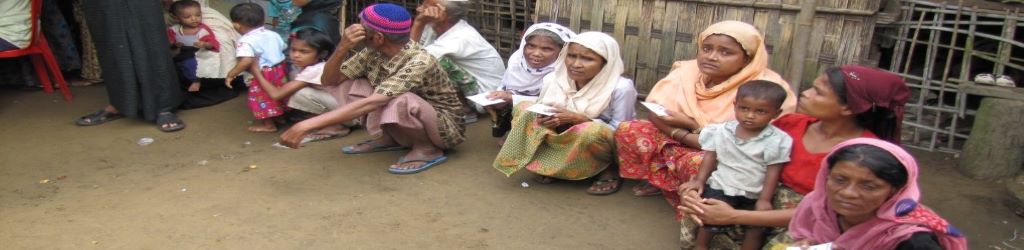
Without enforcement, international resolutions risk becoming symbolic gestures in the face of systematic atrocity crimes.”
Türkiye’s Aggression in Northern Syria and Iraq: Escalation, Civilian Harm, and the Limits of Allied Accountability
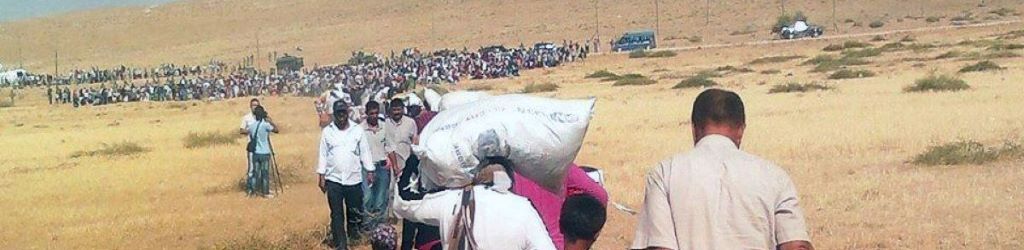
Military escalation framed as counterterrorism risks normalizing civilian harm and eroding international standards designed to protect populations in conflict.”
“We Cannot Be Broken” Historical Memory, Starvation Tactics, and Russia’s War on Ukraine

From engineered famine to weaponized infrastructure, the continuity lies in targeting the means of civilian survival.”
In Protest. Gender-Based Repression, Resistance Movements, and the Struggle for Human Rights

Where gender-based repression is institutionalized, protest becomes both an act of resistance and a demand for recognition under international law.”
IDP Camp Attack in Syria: Civilian Targeting, Escalation Risks, and the Fragility of Protection Frameworks

When displacement sites become targets, the distinction between battlefield and civilian space collapses, undermining the core protections of international humanitarian law.”
Ukraine’s Most Vulnerable: Civilian Risk, Systemic Strain, and the Expanding Humanitarian Impact of War

In modern conflict, vulnerability is not incidental—it is structured by who cannot flee, who cannot access care, and who remains exposed to sustained violence.”
South Sudan’s Forgotten Conflict: Fragile Peace, Governance Failures, and Persistent Atrocity Risk
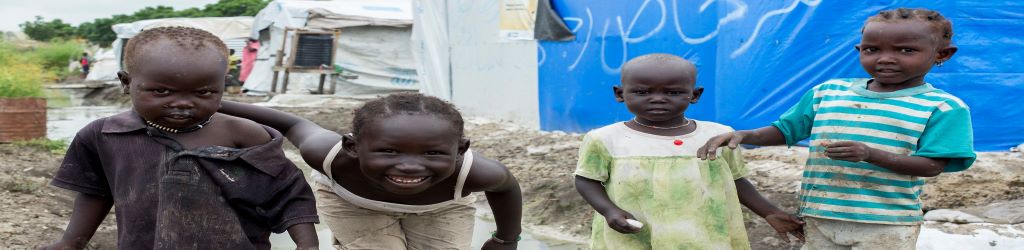
A peace agreement without implementation does not end conflict—it institutionalizes instability and prolongs civilian suffering.”