
A year of Taliban rule has not marked a transition—it has marked a reversion.”
Tag: Crimes Against Humanity
Responsibility to Protect: Normative Commitment, Political Constraints, and the Limits of Enforcement

R2P establishes a responsibility—but not a guarantee of action.”
Recalibrating Accountability: Jamal Khashoggi and the Limits of Strategic Justice

When accountability is selective, deterrence erodes—and impunity adapts.”
Genocide and War Crimes – Legal Distinctions, Evidentiary Standards, and Accountability in Conflict

All genocide is an atrocity crime, but not all atrocity crimes meet the legal threshold of genocide.”
Statelessness: Legal Identity, Structural Exclusion, and the Limits of Protection

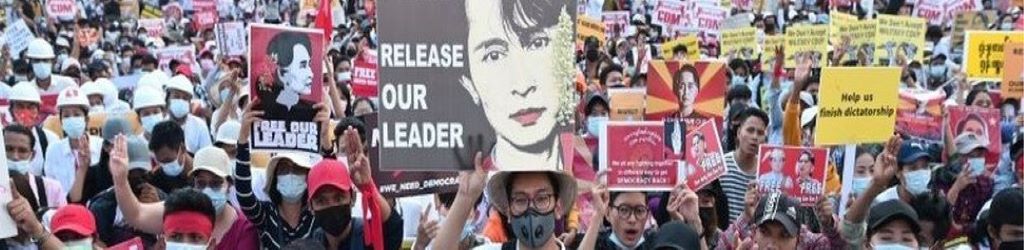
Breakdown of Rule of Law in Myanmar: Military Coup, State Violence, and the Erosion of Democratic Institutions

The breakdown of rule of law in Myanmar reflects not only a seizure of power, but the institutionalization of violence as a tool of governance.”
A Coup in Myanmar: Democratic Breakdown and Early Indicators of Atrocity Risk
Conflict and Famine: Starvation as a Weapon of War

Starvation in conflict is not simply a humanitarian crisis—it is often the result of deliberate policy choices designed to control populations and weaken opposition.”
Yemen’s Humanitarian Crisis: Conflict, Civilian Harm, and the Collapse of Essential Systems
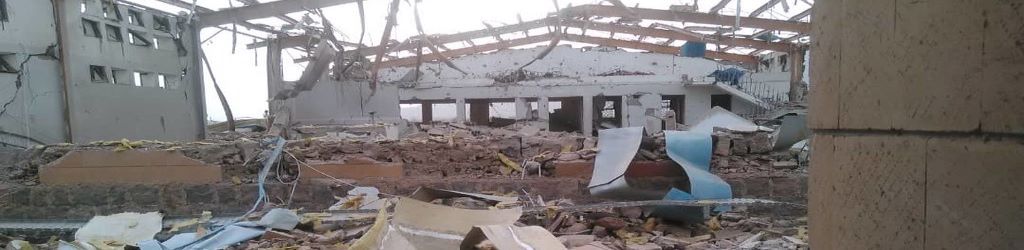
In Yemen, civilian suffering is not incidental—it is the cumulative result of prolonged conflict, institutional breakdown, and constraints on humanitarian access.”
Undocumented in Lebanon: Displacement, Legal Status, and the Precarity of Protection
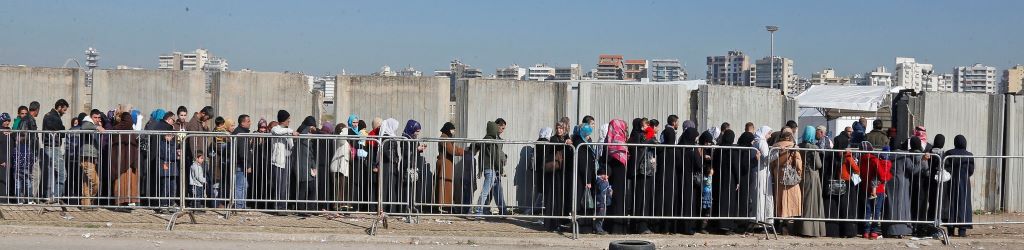
In displacement settings, legal status is not a formality—it determines access to protection, livelihoods, and, ultimately, survival.”