
Humanitarian workers are not combatants, yet they are increasingly among the casualties of this conflict.”
Tag: Humanitarian Crisis
Genocide in Gaza: Legal Thresholds, Evidence, and the Escalating Risk of Mass Atrocity

UNRWA: Lifeline for Relief in Gaza—Humanitarian Access, Political Pressure, and the Risks of Aid Disruption in Active Conflict

UNRWA is not simply an aid provider—it is the backbone of humanitarian survival for millions of Palestinian refugees.”
Global Displacement: Scale, Protection Gaps, and the Limits of International Response
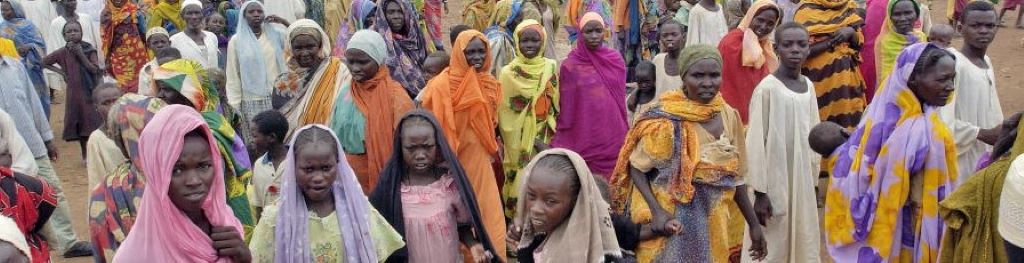
Global displacement is no longer a temporary humanitarian emergency; it is a prolonged condition shaping the security, stability, and future of entire regions.”
Sudan Is Unraveling: Armed Conflict, Humanitarian Collapse, and Renewed Atrocity Risk
Sudan’s conflict has moved beyond political struggle into a pattern of violence and deprivation that places millions of civilians at immediate risk.”
From Dictatorship to Conflict: Sudan’s Escalating Crisis
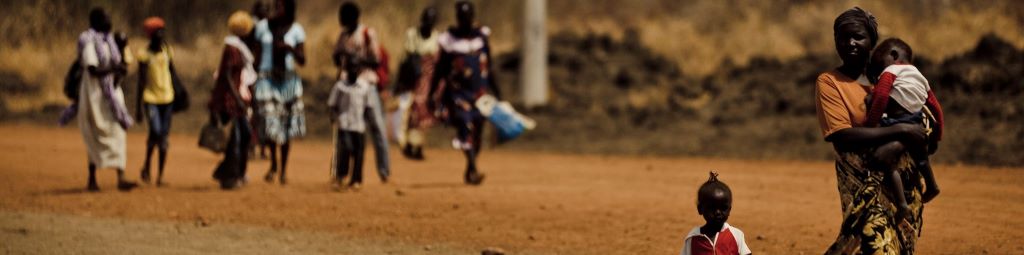
Sudan has shifted from dictatorship to conflict, with civilians increasingly caught in the crossfire of competing military factions.”
Crisis in Afghanistan: Rights, Collapse, and Humanitarian Emergency
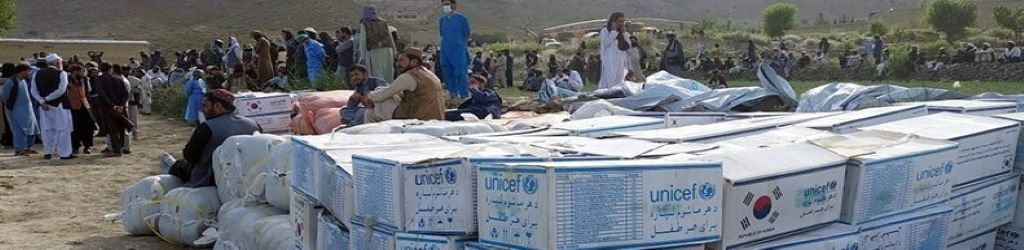
The crisis in Afghanistan is defined not only by economic collapse, but by the systematic erasure of women and girls from public life.”
Crisis in the Horn of Africa: Conflict, Climate, and Compounding Vulnerabilities
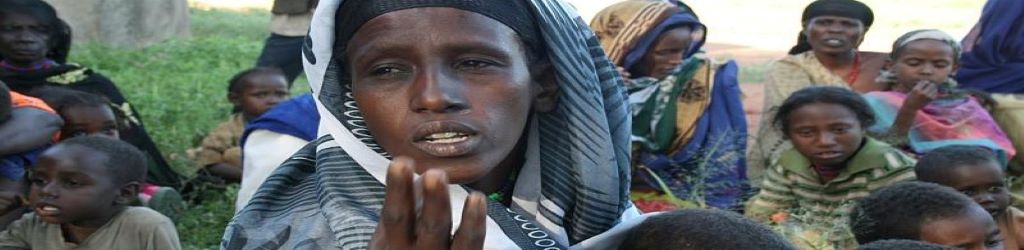
In the Horn of Africa, climate stress and armed conflict are not separate crises—they are mutually reinforcing drivers of instability and mass suffering.”
War in Ukraine: One Year of Conflict, Displacement and Global Consequences
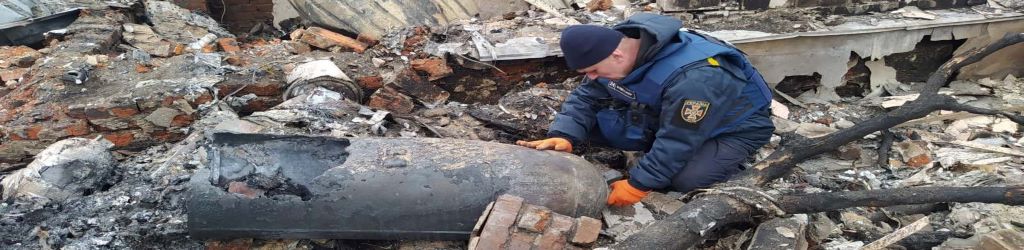
Ukraine’s citizens and military forces have demonstrated extraordinary resilience, holding their ground despite the relentless assault on civilians and infrastructure.”
Resolutions and Investigations for Myanmar: Accountability, Evidence, and the Limits of International Action
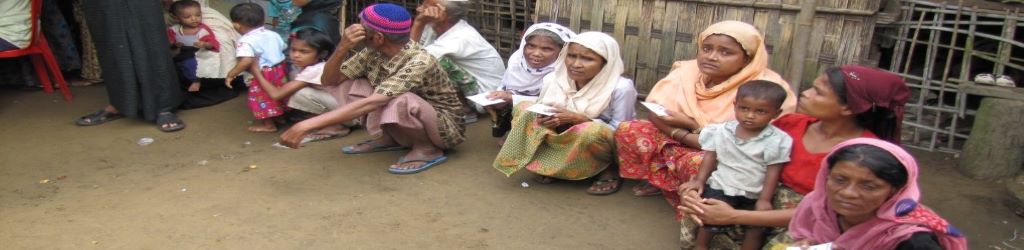
Without enforcement, international resolutions risk becoming symbolic gestures in the face of systematic atrocity crimes.”