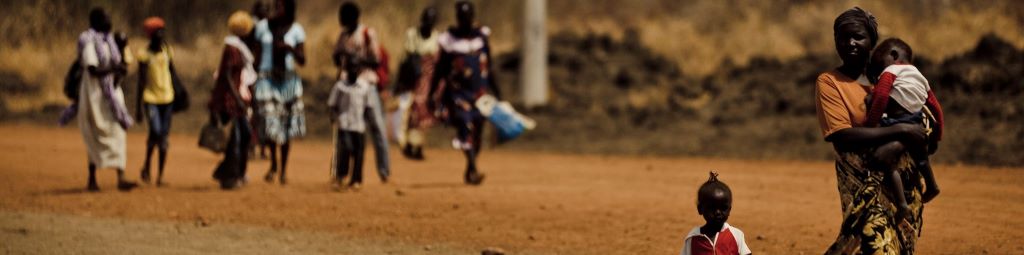
Sudan has shifted from dictatorship to conflict, with civilians increasingly caught in the crossfire of competing military factions.”
Category: Human Rights Law
Crisis in Afghanistan: Rights, Collapse, and Humanitarian Emergency
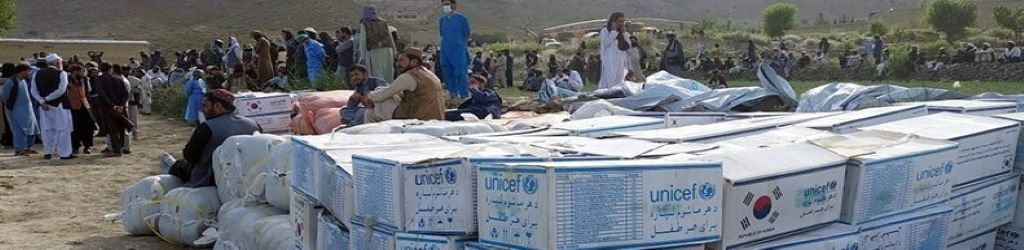
The crisis in Afghanistan is defined not only by economic collapse, but by the systematic erasure of women and girls from public life.”
War in Ukraine: One Year of Conflict, Displacement and Global Consequences
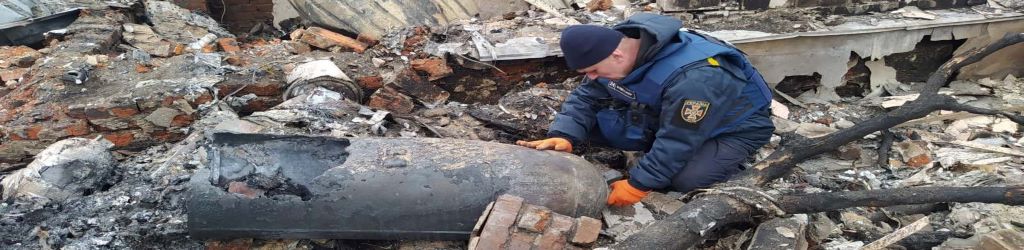
Ukraine’s citizens and military forces have demonstrated extraordinary resilience, holding their ground despite the relentless assault on civilians and infrastructure.”
Human Rights on Hold: How Global Indifference to Violations Fuels Instability
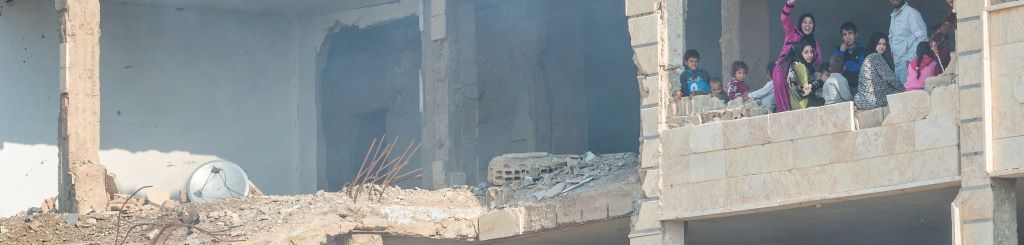
In Protest. Gender-Based Repression, Resistance Movements, and the Struggle for Human Rights

Where gender-based repression is institutionalized, protest becomes both an act of resistance and a demand for recognition under international law.”
UNGA Survivors Resolution: Symbolism, Legal Gaps, and Expanding Access to Justice for Survivors of Sexual Violence

Recognition without enforcement advances norms—but it does not, on its own, deliver justice.”
A Year of Taliban Rule: Repression, Economic Collapse, and Renewed Security Threats in Afghanistan

A year of Taliban rule has not marked a transition—it has marked a reversion.”
Hiroshima: An Argument for NPT- Memory, Risk, and the Fragility of Nuclear Restraint

Deterrence has prevented use—but it has not eliminated risk.”
Responsibility to Protect: Normative Commitment, Political Constraints, and the Limits of Enforcement

R2P establishes a responsibility—but not a guarantee of action.”
Recalibrating Accountability: Jamal Khashoggi and the Limits of Strategic Justice

When accountability is selective, deterrence erodes—and impunity adapts.”