
Economic isolation has not only constrained governance—it has transferred the cost of political decisions directly onto the civilian population.”
Category: Human Rights Law
Genocide and War Crimes – Legal Distinctions, Evidentiary Standards, and Accountability in Conflict

All genocide is an atrocity crime, but not all atrocity crimes meet the legal threshold of genocide.”
Statelessness: Legal Identity, Structural Exclusion, and the Limits of Protection

Saudi Zero-Tolerance: State Control, Legal Restrictions, and the Suppression of Dissent
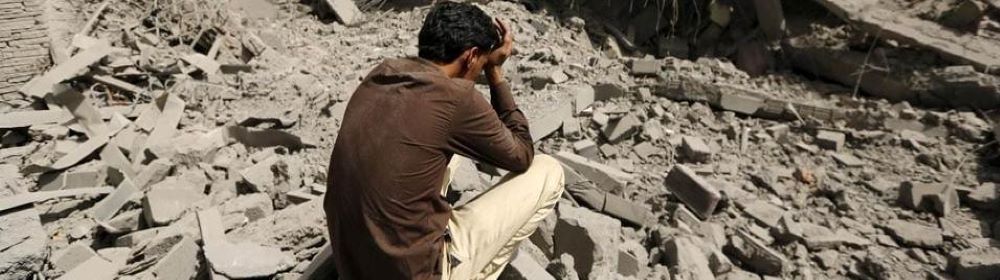
In Saudi Arabia, release from detention often marks a transition to restricted freedom rather than a restoration of rights.”
Bashar al-Assad’s Syria: State Violence, Protracted Conflict, and the Limits of Resolution
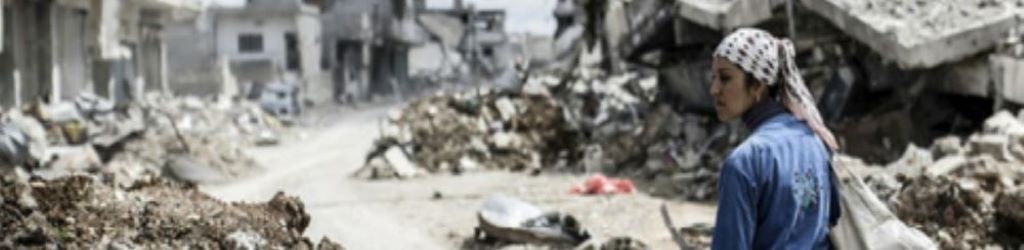
What began as a domestic uprising evolved into a protracted conflict sustained by external support, fragmented opposition, and limited diplomatic leverage.”
Breakdown of Rule of Law in Myanmar: Military Coup, State Violence, and the Erosion of Democratic Institutions
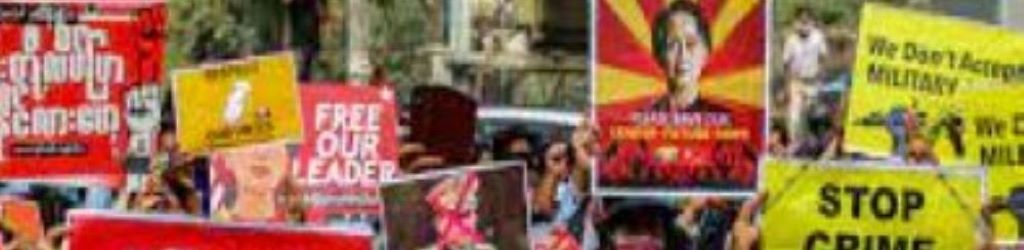
The breakdown of rule of law in Myanmar reflects not only a seizure of power, but the institutionalization of violence as a tool of governance.”
Protection of Civilians: International Humanitarian Law and the Limits of Protection in Modern Conflict

The protection of civilians is not a conceptual ideal—it is a legal obligation repeatedly tested, and too often undermined, in modern conflict.”
Yemen’s Humanitarian Crisis: Conflict, Civilian Harm, and the Collapse of Essential Systems
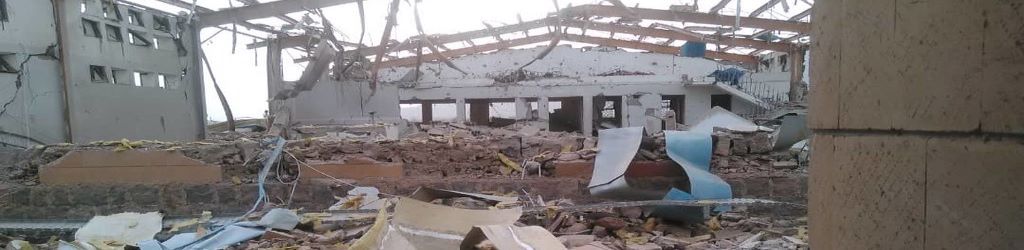
In Yemen, civilian suffering is not incidental—it is the cumulative result of prolonged conflict, institutional breakdown, and constraints on humanitarian access.”
US Withdraws from UNHRC
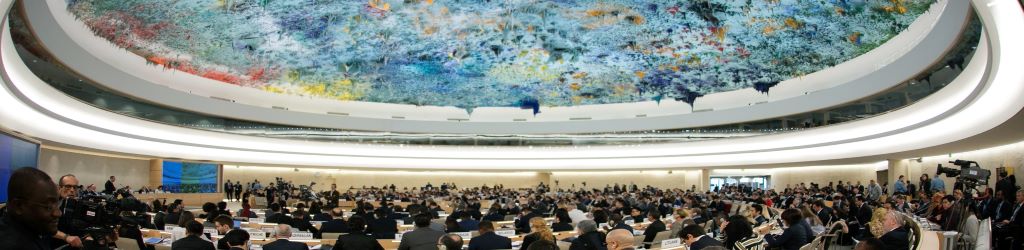
Disengagement from imperfect institutions may signal protest—but it also forfeits the ability to shape outcomes from within.”
Ethnic Cleansing in Myanmar: State Violence and the Rohingya Crisis

The scale and systematic nature of violence against the Rohingya signals not only ethnic cleansing, but the potential commission of atrocity crimes requiring urgent international response.”