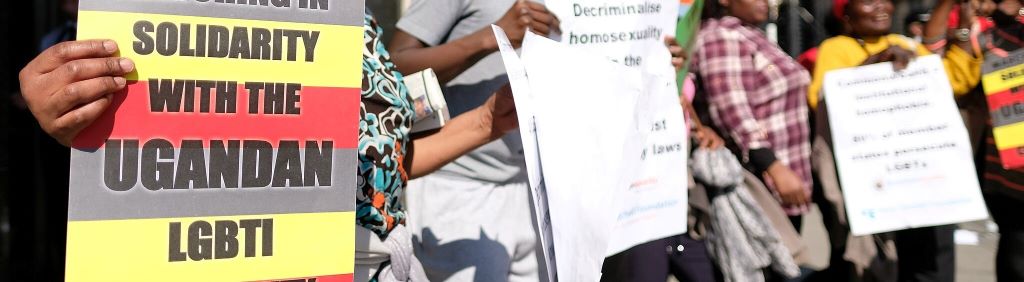
When discrimination is codified into law, it not only legitimizes abuse but creates the conditions for systematic persecution.”
Tag: United Nations
Crisis in the Horn of Africa: Conflict, Climate, and Compounding Vulnerabilities

In the Horn of Africa, climate stress and armed conflict are not separate crises—they are mutually reinforcing drivers of instability and mass suffering.”
Resolutions and Investigations for Myanmar: Accountability, Evidence, and the Limits of International Action
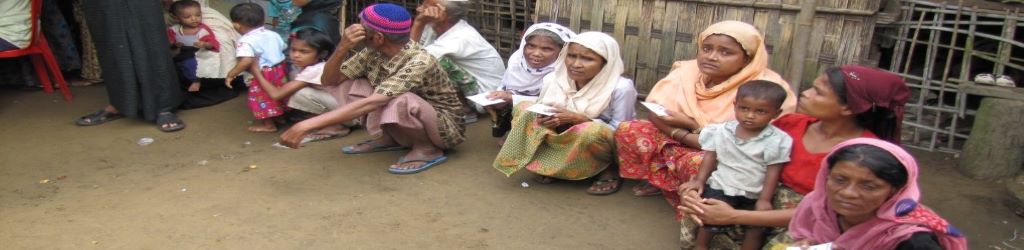
Without enforcement, international resolutions risk becoming symbolic gestures in the face of systematic atrocity crimes.”
“We Cannot Be Broken” Historical Memory, Starvation Tactics, and Russia’s War on Ukraine

From engineered famine to weaponized infrastructure, the continuity lies in targeting the means of civilian survival.”
In Protest. Gender-Based Repression, Resistance Movements, and the Struggle for Human Rights

Where gender-based repression is institutionalized, protest becomes both an act of resistance and a demand for recognition under international law.”
UNGA Survivors Resolution: Symbolism, Legal Gaps, and Expanding Access to Justice for Survivors of Sexual Violence

Recognition without enforcement advances norms—but it does not, on its own, deliver justice.”
Hiroshima: An Argument for NPT- Memory, Risk, and the Fragility of Nuclear Restraint

Deterrence has prevented use—but it has not eliminated risk.”
Responsibility to Protect: Normative Commitment, Political Constraints, and the Limits of Enforcement

R2P establishes a responsibility—but not a guarantee of action.”
Recalibrating Accountability: Jamal Khashoggi and the Limits of Strategic Justice

When accountability is selective, deterrence erodes—and impunity adapts.”
Afghanistan’s Economic Crisis: Sanctions, Financial Isolation, and the Collapse of State Function

Economic isolation has not only constrained governance—it has transferred the cost of political decisions directly onto the civilian population.”