
The Security Council veto reflects global power realities—but in moments of crisis, it has too often come at the expense of civilian protection and timely international action.”
Tag: United Nations
Sexual Violence in Sudan’s War: Patterns, Impunity, and Civilian Protection

Sexual violence in Sudan’s war is not incidental—it is a method of warfare that exploits impunity and targets the social fabric of communities.”
Syria’s Path to Justice: Transitional Mechanisms and the Challenge of Accountability

Without accountability and answers for the missing, any path to peace in Syria risks reinforcing the conditions that enabled mass atrocities.”
Israel’s War in Gaza: Starvation as a Method of Warfare

When access to food, water, and aid is systematically constrained, starvation ceases to be a byproduct of conflict and becomes part of its strategy.”
Gaza’s Humanitarian Crisis: Aid Restrictions, Systemic Collapse, and Civilian Risk

When humanitarian systems collapse and access to aid is restricted, deprivation becomes systemic rather than incidental to conflict.”
Landmines and Cluster Munitions in Ukraine: Ongoing Civilian Harm

UNRWA: Lifeline for Relief in Gaza—Humanitarian Access, Political Pressure, and the Risks of Aid Disruption in Active Conflict

UNRWA is not simply an aid provider—it is the backbone of humanitarian survival for millions of Palestinian refugees.”
Ukraine’s Children: Deportation, Civilian Targeting, and the Erosion of International Norms

Ukraine’s children have become central to the conflict—not only as victims of war, but as targets of policies that risk permanently severing identity, family structures, and national continuity.”
Global Displacement: Scale, Protection Gaps, and the Limits of International Response
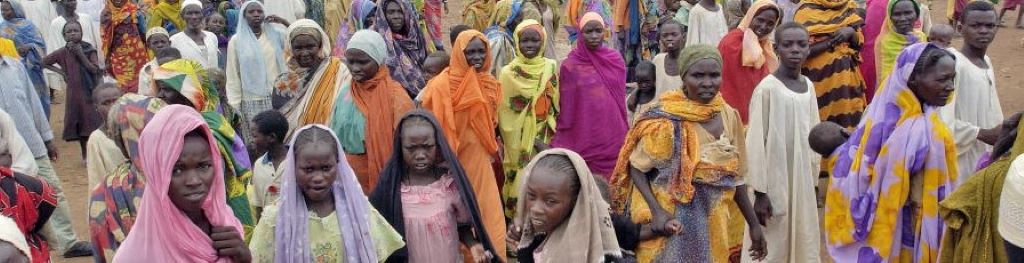
Global displacement is no longer a temporary humanitarian emergency; it is a prolonged condition shaping the security, stability, and future of entire regions.”
Sudan Is Unraveling: Armed Conflict, Humanitarian Collapse, and Renewed Atrocity Risk
Sudan’s conflict has moved beyond political struggle into a pattern of violence and deprivation that places millions of civilians at immediate risk.”