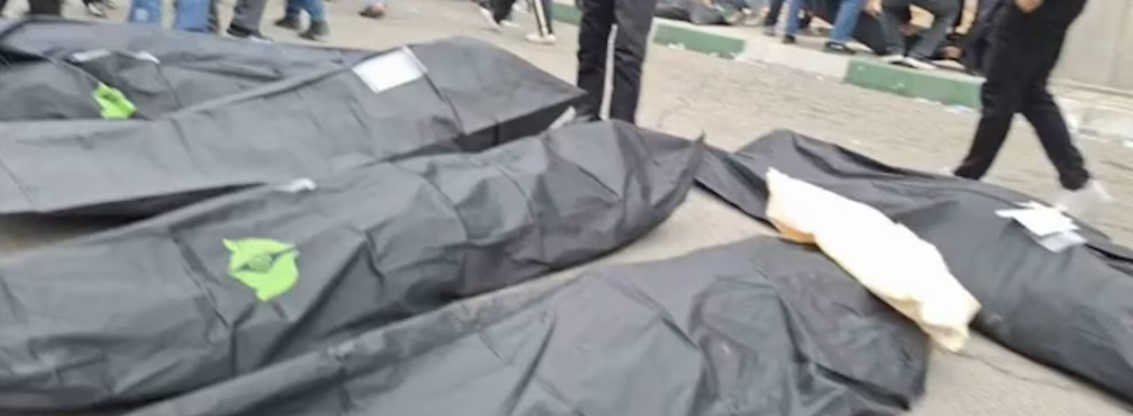
When governments criminalize protest and deploy force against civilians, unrest can quickly escalate into widespread human rights violations.”
Tag: United Nations
U.S. Use of Force in Venezuela and International Law
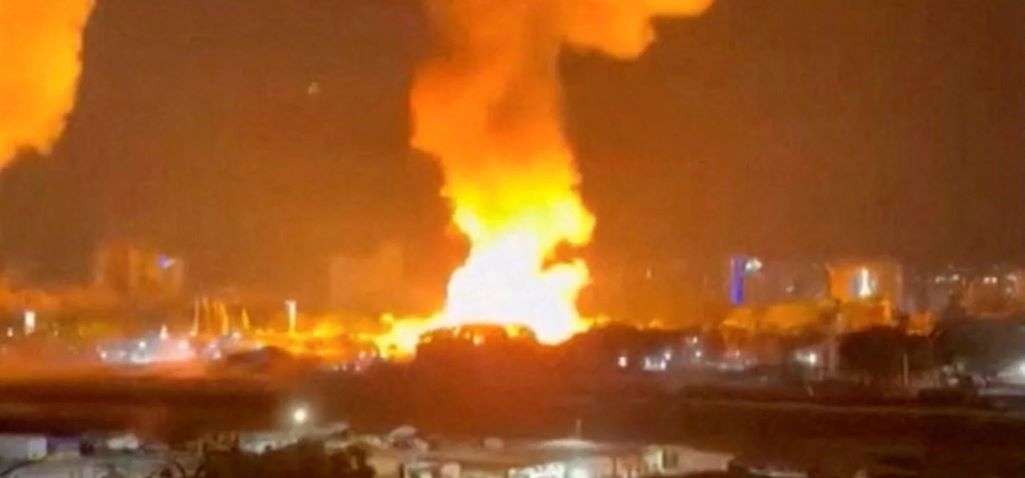
When military force is used without legal justification, the line between law enforcement and war collapses, undermining the international legal order.”
Human Rights Day and the Genocide Convention: Two Foundations of the “Never Again” Framework
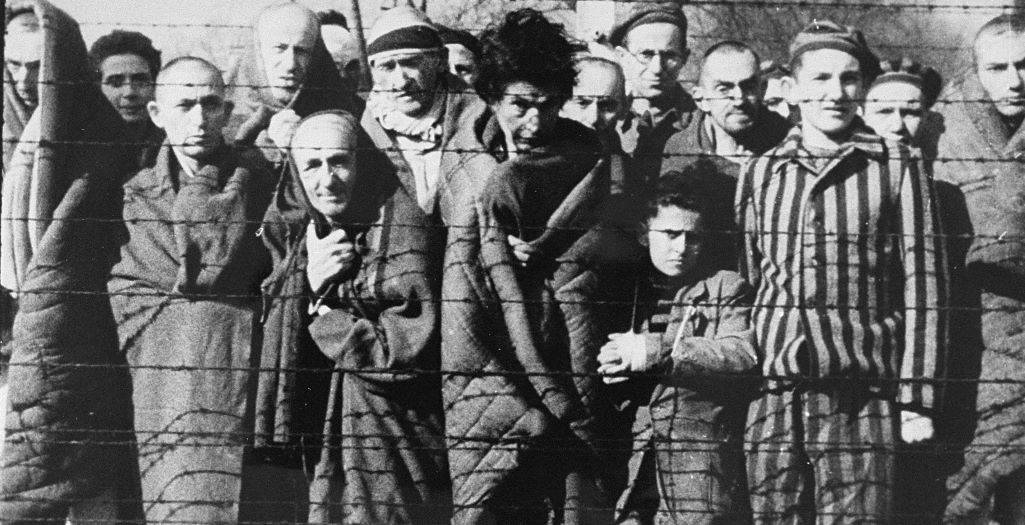
Human rights protections are not separate from atrocity prevention—they are its first and most essential line of defense.”
Holding Assad Accountable
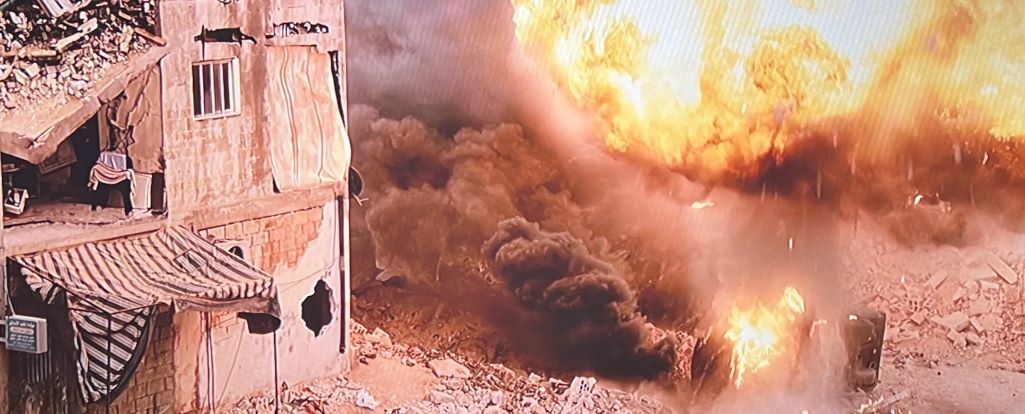
When accountability is delayed, the risk is not only injustice for victims—but the normalization of atrocity crimes in future conflicts.”
Venezuela’s Human Rights Crisis Under Nicolás Maduro
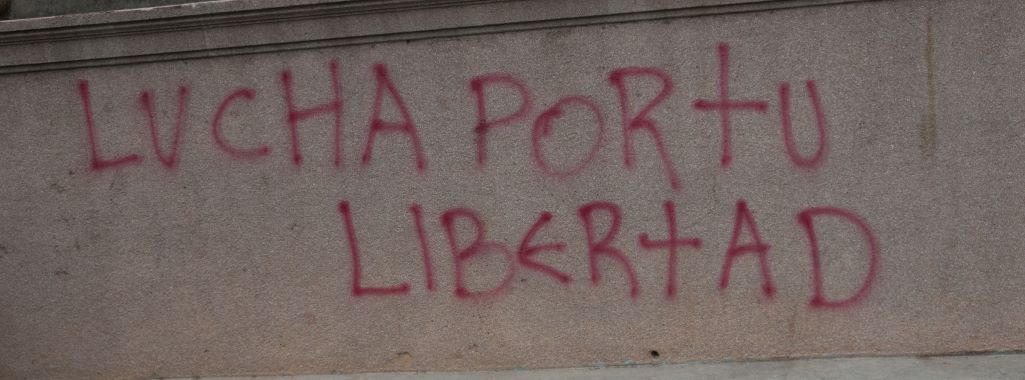
Systematic repression, economic collapse, and institutional erosion in Venezuela have converged into one of the most severe human rights crises in the Western Hemisphere.”
The 20-Point Gaza Peace Plan

United Nations at 80: Peace, Law, and Global Security
The TPNW reinforces international norms against weapons of mass destruction and obligates assistance to affected populations.”
UNGA – Recognize the State of Palestine, and Hold Israel Accountable
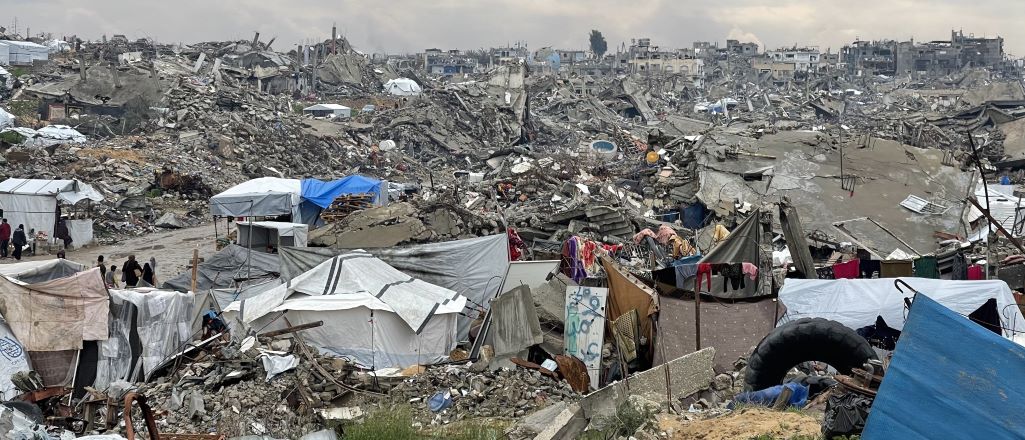
Recognition of Palestine is not a symbolic gesture—it is a legal and moral imperative that strengthens accountability and upholds international law.”
Gaza’s Famine
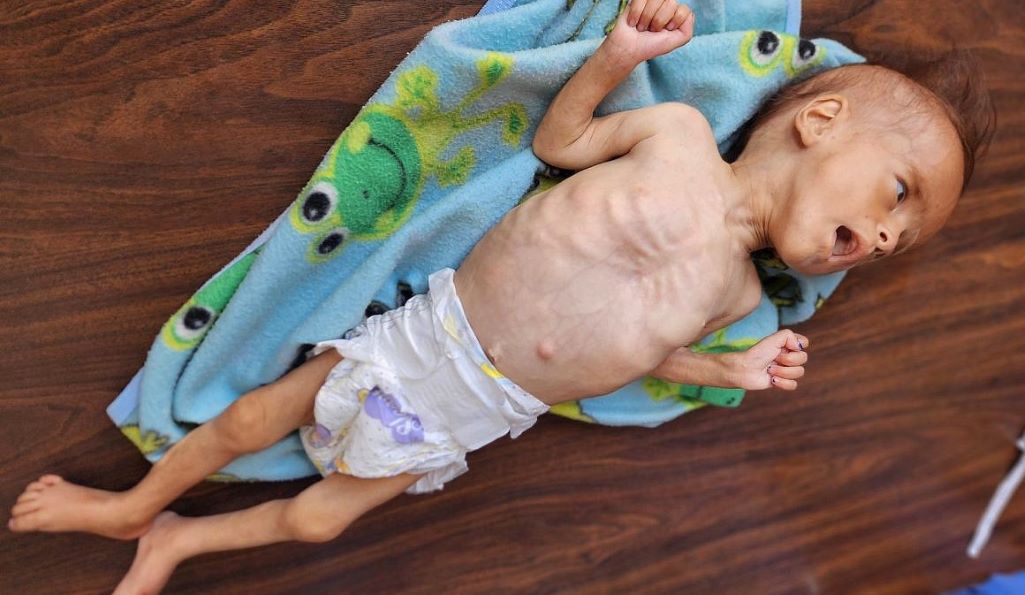
Gaza’s famine is not a natural disaster—it is a man-made catastrophe that could be ended tomorrow by allowing aid in and enforcing an unconditional ceasefire.”
Promoting Global Human Rights
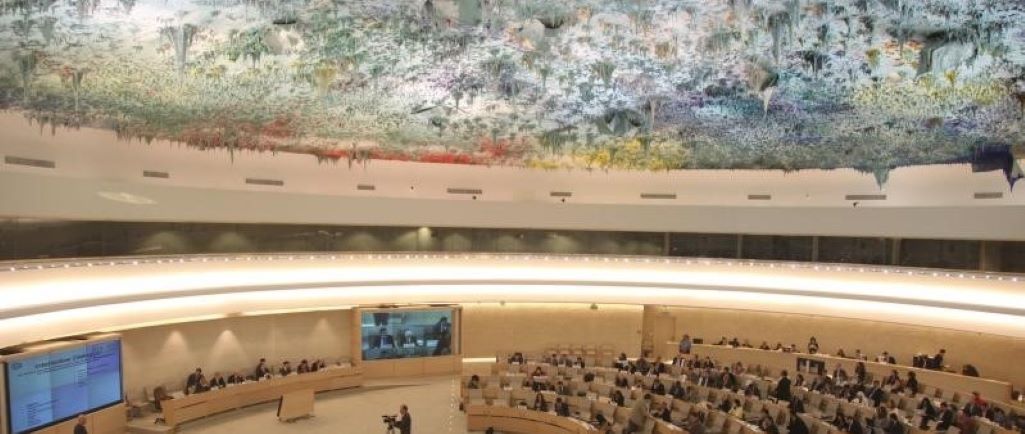
Promoting human rights globally is not a one-time campaign—it is an ongoing commitment to humanity, requiring courage, cooperation, and compassion from governments, organizations, and individuals alike.”